Notes, Thoughts & Random Things
This is where I've put things that wouldn't fit in the book...thoughts, notes, images, and words on tangential subjects only vaguely related to WW1 in Italy, and other things that might prove interesting.
Luis & Leni
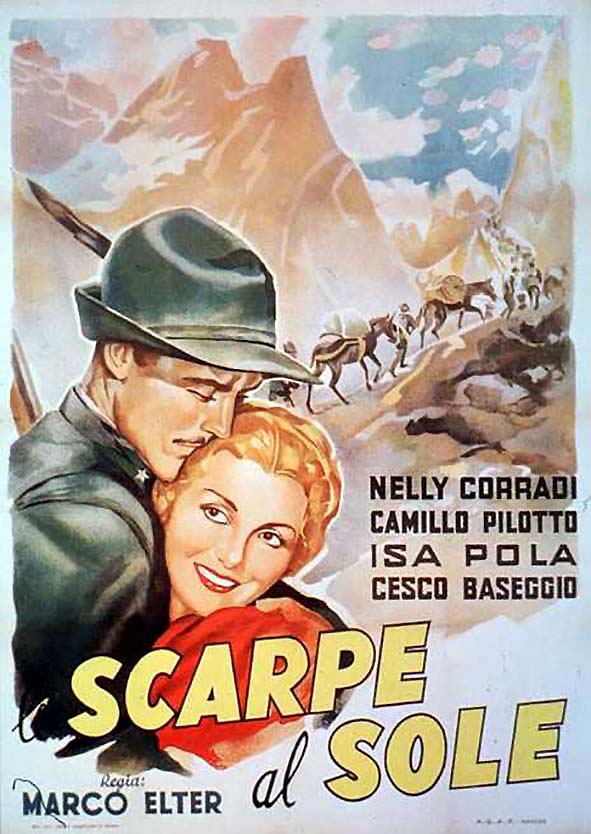
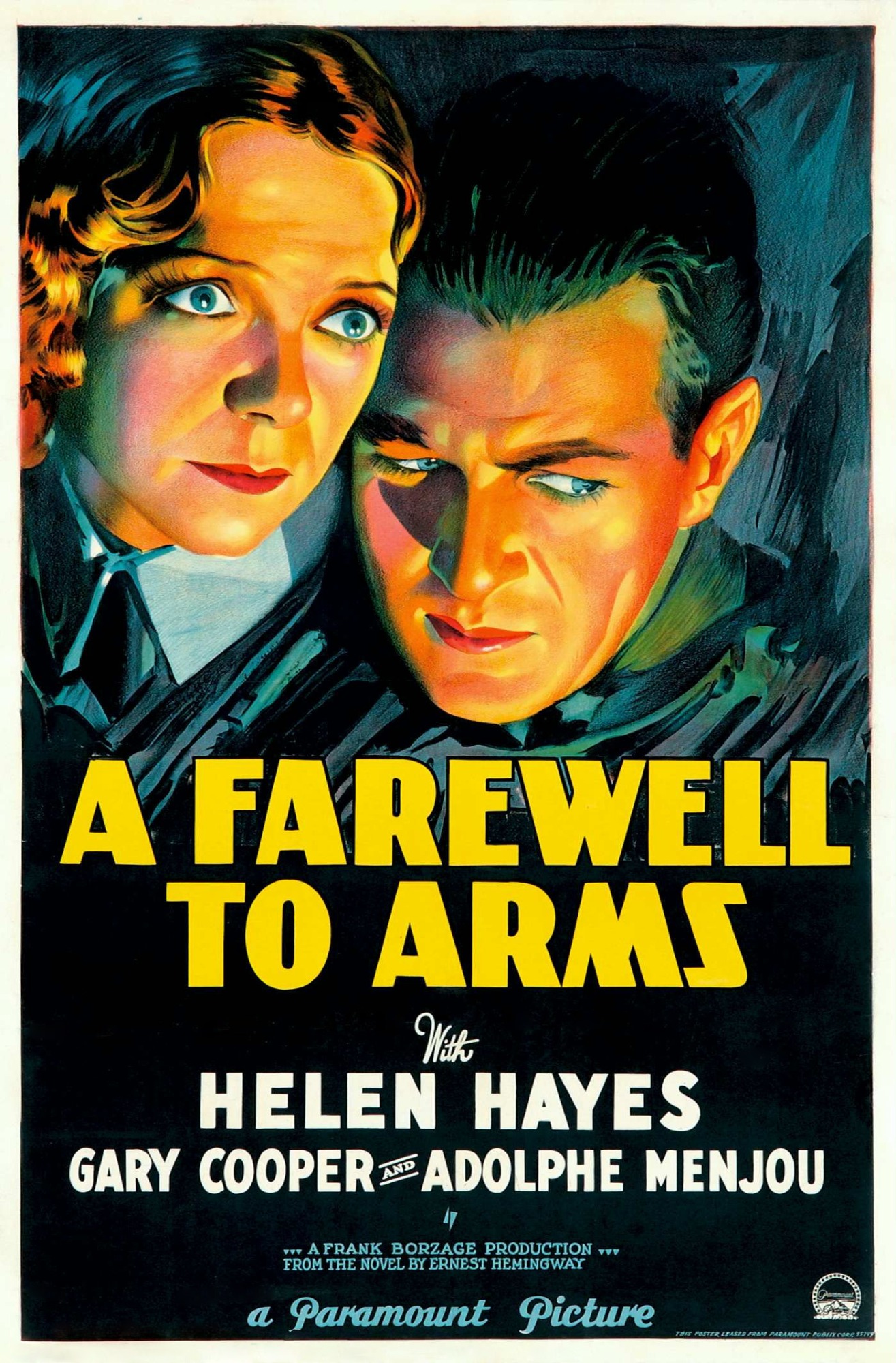
Trenker and Riefenstahl, the darlings of the Bergfilme genre
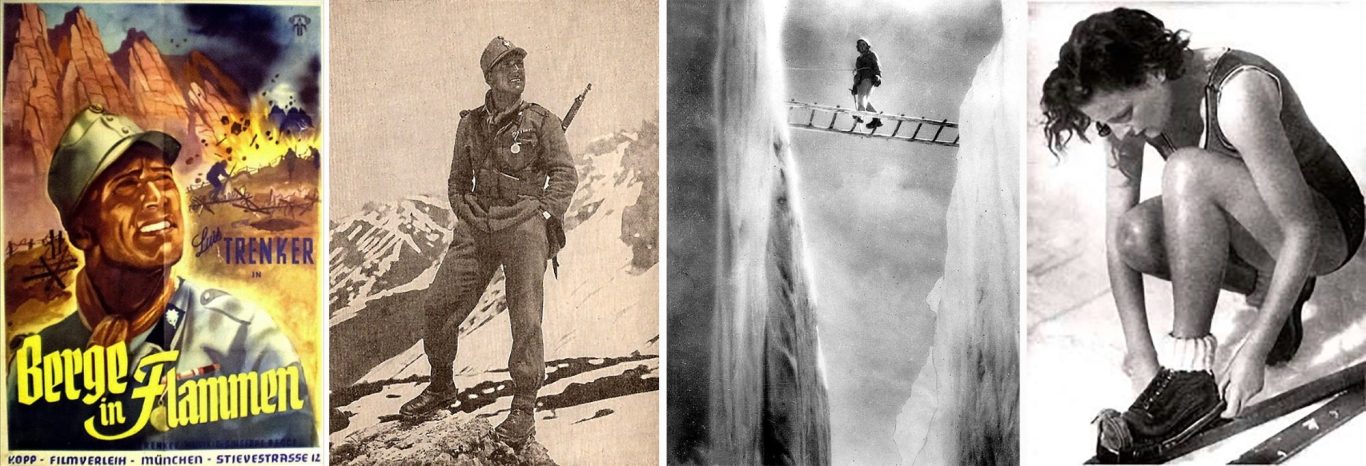
After the war, a new genre of movie became popular — Bergfilme (mountain movies). Even before WW1 mountain-climbing had become politicised, with German-speakers and Italian-speakers vying to be the first to conquer various peaks in the Alps, but after WW1 the politicisation increased massively. The Italian Fascists and German Nazis wanted to demonstrate their racial superiority, and making films about heroic exploits in the mountains served that purpose well.
One of the leading exponents of the Bergfilme was Luis Trenker, who had served with distinction with the 3rd Tyrolean Kaiserjäger Regiment (3TKJR) in the Dolomites alongside Hans Schneeberger (of Castelletto fame). Between the wars the two of them made numerous mountain movies, some of which also starred the notorious Leni Riefenstahl who herself went on to make Nazi propaganda films beloved of Adolf Hitler — ‘The Triumph of the Will’, and ‘Olympia - Festival of Nations’, among others. Trenker had a brief affair with Riefenstahl, and later described her as being like ‘an oily goat’. The mind boggles.
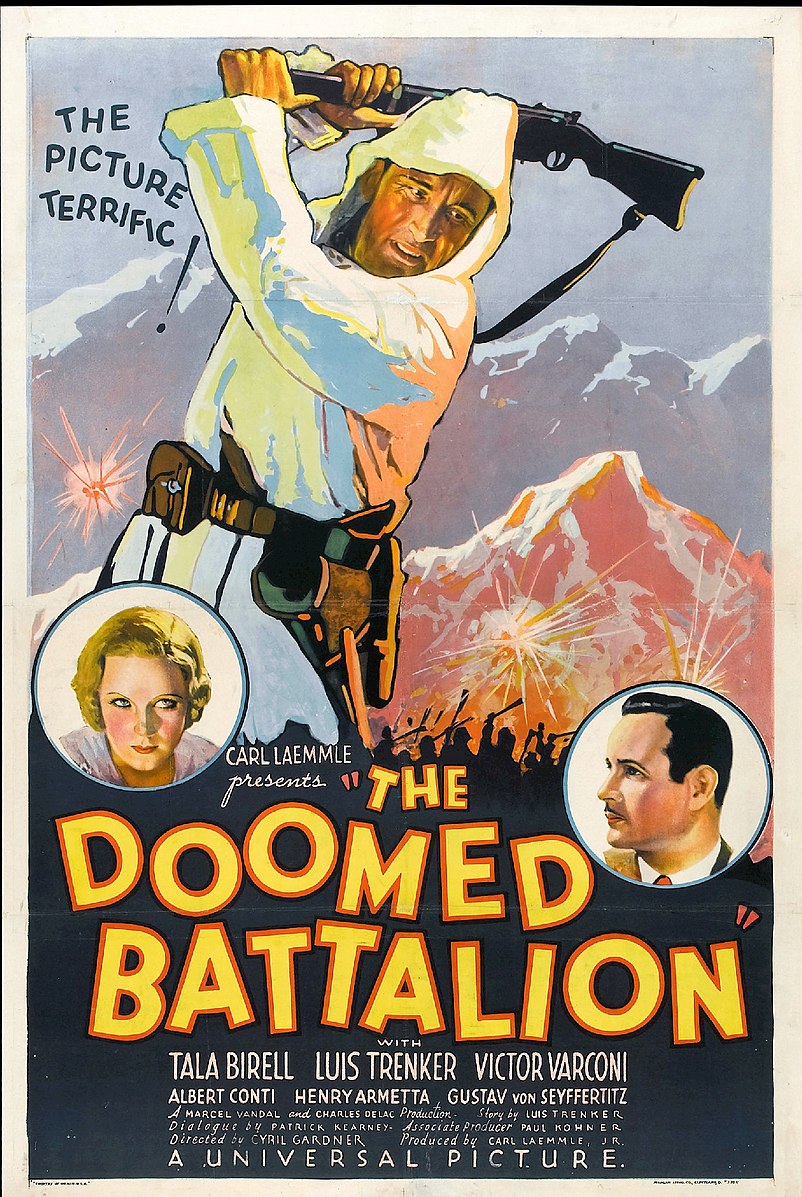
One of Trenker’s most famous movies was ‘Berge in Flammen’ (Mountain in Flames), a WW1 movie which was released in English as ‘The Doomed Battalion’. Trenker’s notes on the filming of the movie in 1931, in his book ‘Brothers of the Snow’, offer a fascinating glimpse not only into the making of these films, but also into the logistics of filming which closely mirrored what the soldiers endured during the war.
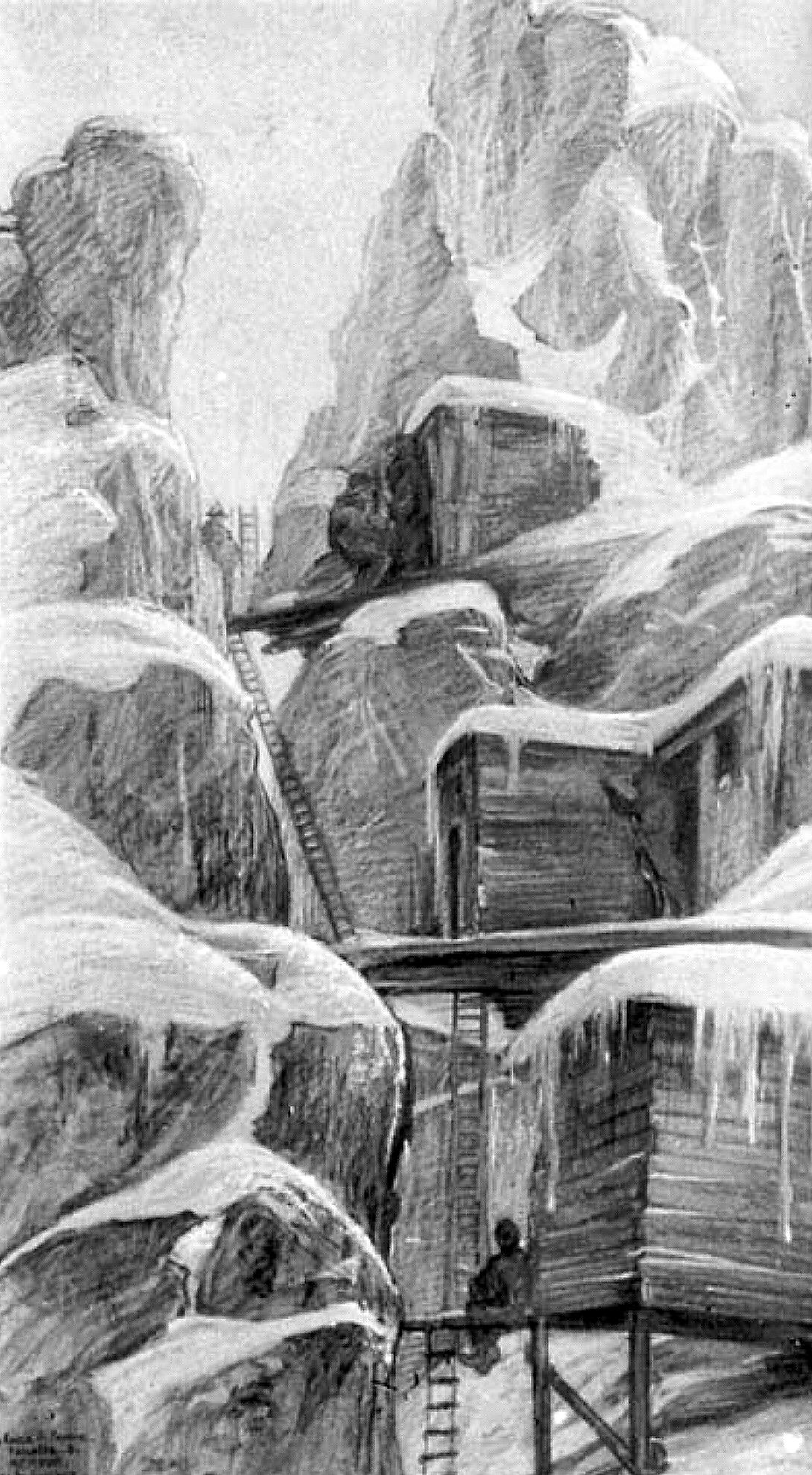
‘There [on the Karwendel ridge in Austria, at 7,000 ft ASL] we built: five huts on the rock faces, one workman's hut, one cavern for 50 men, one shed for material, three huts for special purposes, about 850m of trenches, sentry-posts and machine-gun emplacements. We used 2,750m of barbed wire.
‘The following special work was necessary: delivery, mounting and transport of an aeroplane motor to produce storms, but real storms made it superfluous; transport of two large current reversers, one weighing 900kg, the other 725kg, and one drilling machine with compressor.
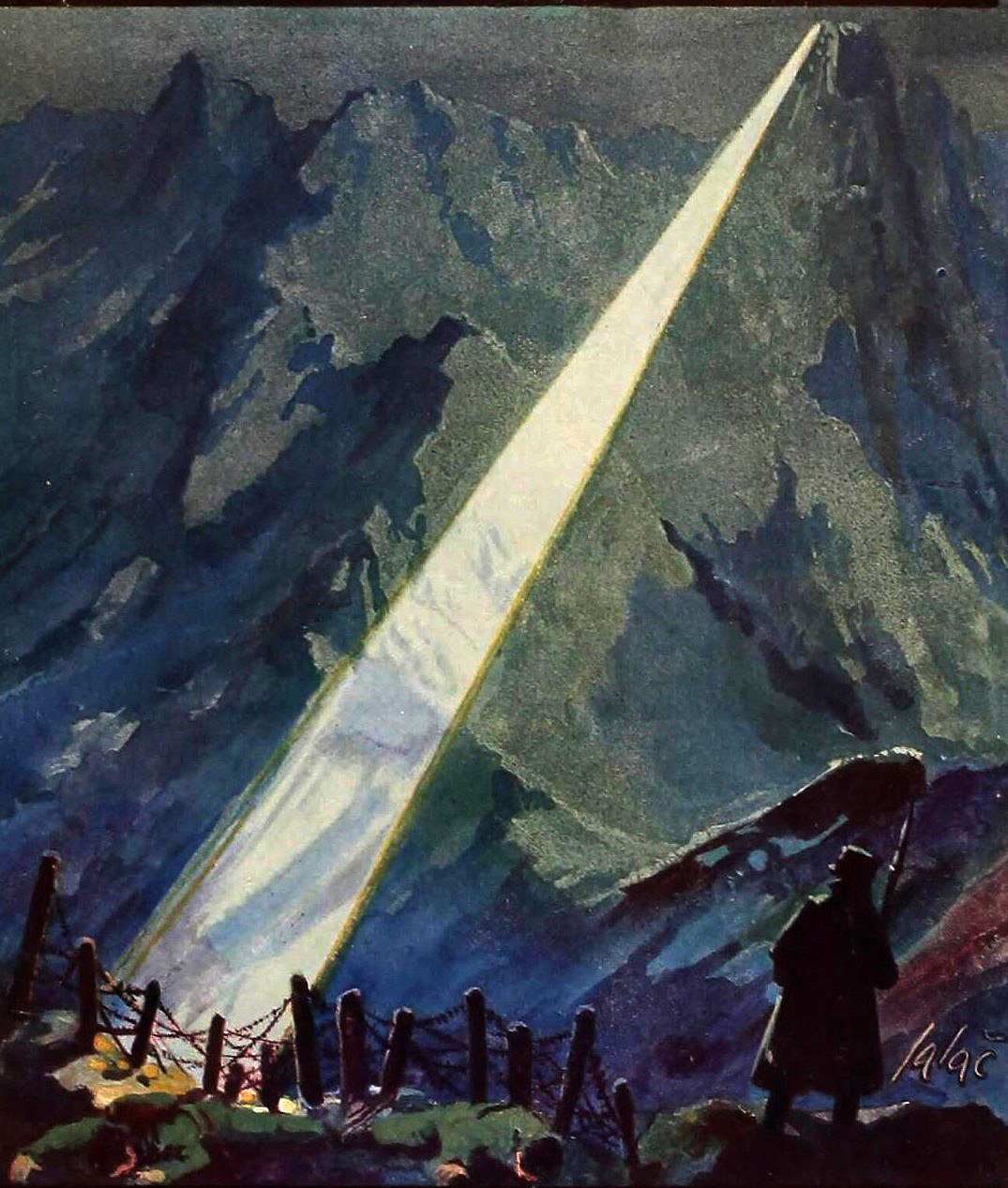
‘Laying of 1,100m of insulated direct current cable, and transporting, and moving about a hundred times, of 16 searchlights of different sizes. A naval searchlight of 1,000 amps and some 1.5m diameter was particularly difficult to manage among the precipitous, ice-covered rocks. We put up an overhead wire 610m feet long, with lamp-standards, to prevent men falling by night.
‘Transport of a sound-film machine weighing 1,100kg up to the northern chain, and then, taken to pieces, over mountain ridges and ice-covered paths. This was the first time a sound-film apparatus was used at such a high altitude.
‘We used about five wagon-loads of boards, poles and planks, cement, cement sacks, sawdust (sandbags for trenches); about 1,800kg of explosive, bombs, and about 18,000 rounds of rifle and machine-gun ammunition. There were also rifles, uniforms, etc, for 300 men.
‘The average number of men employed was 45. The working staff included, besides the actors: one producer, one director, one assistant director, one assistant production manager, three camera-men, three assistant camera-men, one still photographer, one architect and one assistant architect, five guides, two explosives experts, three lighting experts, one recordist and two assistants, one organiser for the supers, one accountant for the supers, two store-keepers, two miners. A production unit numbering 32 in all.
‘Seventeen pairs of skis were broken; of 100 pairs of putties 95 did not survive, while of 50 Alpini cloaks found eager possessors.
‘The northern chain cable railway recorded 2,400 journeys with film personnel; over 27 tonnes of luggage came swaying up to us in its cars. Filming began on February 27, 1931…
“During the 54 working days there were 36 night-shifts, which not infrequently lasted from 8 pm to 5 am and were usually accompanied by violent gales and as much as 35, even 40 degrees of frost. Operators and electricians, apparatus and search-lights, had to be roped together and belayed.
‘A nasty incident which had no ill consequences. A long cornice broke under the feet of seven men and fell over the Kumpfkarwand, 365m high. By a miracle the men were not carried with it. Twelve men were injured on the ridge of the northern chain by exploding mines, falls and showers of stones…’
‘Average number of men employed: 25. Each of them, during 14 working days, climbed 6850m and skied the same distance downhill, and carried some 6,350kg of film material about the Kalkkögeln.
‘July 10 to August 1 in the Dolomites. Working ground: Falzarego pass, Fanesturm, Tofana, Lagazuoi (2,000m-2,750m). Shot: Climbing scenes, landscapes for the prologue and epilogue. Employed: 12 men. Total ground covered in a fortnight: 45,750m uphill and down again.
‘November 3: President von Hindenburg sees the film.
‘December 20: The Universal Pictures Corporation, New York, bought the film for America and the rest of the world from the producers…’
‘Length of the complete film: 8,850 feet in the German, 8,100 feet in the French and 7,800 feet in the English version.
‘Total expenses 550,000 marks, about 1,000,000 marks including the American version.
‘Number of lawsuits arising out of the film: three (all won).
‘The production of the film took 255 days, showing for 91 minutes.’
Logistics:
Arlberg:
Crew climbed a total of 8,230 m in the snow with 9.5 tonnes of equipment.
Karwendel:
Built 5 huts on rock faces and 4 on flat ground.
Dug a cavern for 50 men, dug 850 m of trenches and deployed 2,750 m of barbed wire.
Hauled a wind machine (aeroplane engine) to 7,000ft, plus 1.7 tonnes of electrical equipment and 1,100m of electrical cable, a 15 cm searchlight and 16 smaller lights.
5 wagons of planks and concrete.
Carried up a compressor and pneumatic drill.
1.8 tonnes of explosives, 18,000 rounds of ammunition, rifles/uniforms for 300 men.
Cable-car made 1200 round trips, carrying 27 tonnes of equipment.
Spent 36 nights shooting night scenes, often as cold as -30°C.
Stubai Kalkkögeln:
25 men climbed 7000m with 6.5 tonnes of equipment.
Dolomites: 12 men ascended a total of 22,850m to film the climbing scenes.
‘Twelve men were injured on the ridge of the northern chain by exploding mines, falls, and showers of stones.’
Ode to a Plank
More useful than any weapon, the humble pine plank was the essential ingredient of the Italian Front.
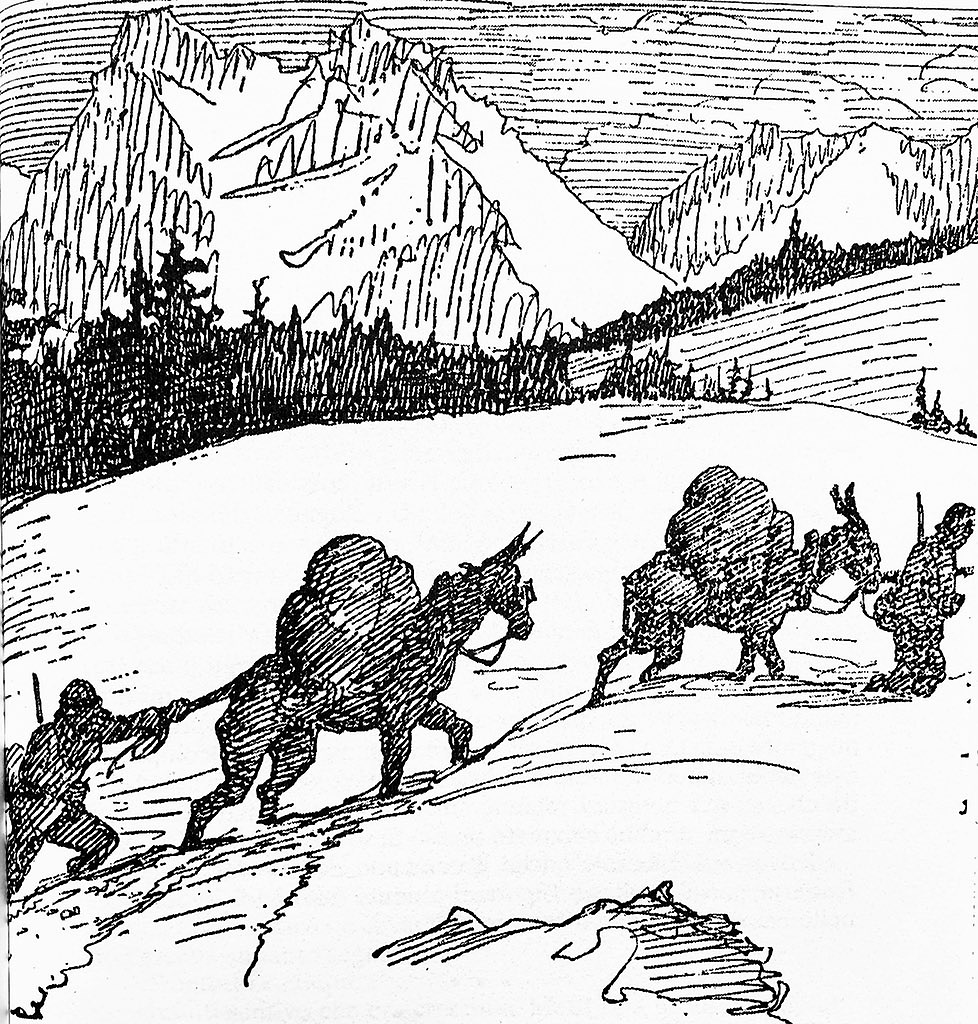
In a narrow, dark, silent valley not far from Lienz in southern Austria grew a pine tree. It was one of millions that grew all over the lower slopes of the Austrian Alps. In late June 1916 men came and chopped it down. After stripping the branches off it, the trunk was hitched to a pair of mules and dragged down the mountain to a collection area cleared next to the track leading down the valley. After a few days a horse-drawn wagon arrived and different men took away the tree, and half a dozen others with it. The tree bumped and swayed its way many kilometres down the mountain to the valley below, before being unloaded at a timber yard on the banks of a fast-flowing stream.
After a few days other men came and moved the tree into the first shed. Here they used axes and adzes to strip the bark from the tree. Once the tree was debarked, it was cut into 5m lengths by two men using a crosscut saw. Next, the tree logs were loaded onto a carriage and fed into the “head saw” that cut the logs into planks. The planks were then passed through a series of other saws for edging and trimming. Once the planks were cut to size (4m x 25cm x 20mm), they were stacked and dried, a process that took several weeks.
A few weeks later different men came in a 5-tonne Saurer truck and took away the tree, now a collection of several dozen wooden planks. They drove the truck round to the Gailtal and deposited the planks in a pile outside the HQ of the Pioniere der 56th Gebirgsbrigade at Kartitsch. Here the planks sat for another few days before being loaded onto mules and transported up the nearby Schustertal towards the front lines. At the end of the mule track the planks were added to an existing pile of planks, and covered in tarpaulins.
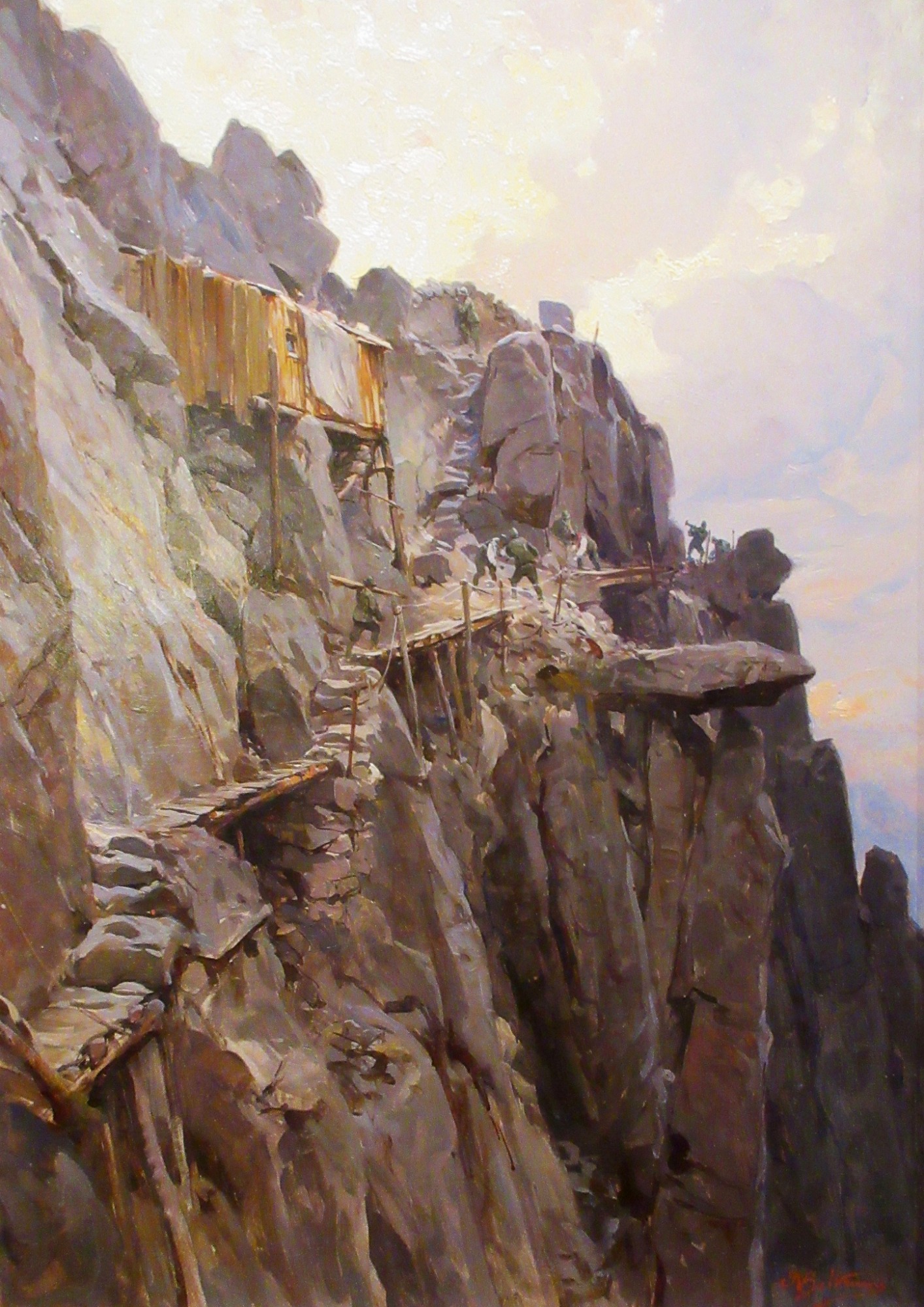
Five days passed before a company of the 56th arrived, on their way up to the front. As usual, no man was allowed to go up without taking something with him, so each one of them hoisted a 10kg plank over his shoulder and started the 2km, 600m ascent up the steep winding path to their positions. At the top, the planks were dumped in another pile under a tarpaulin. Sappers came and used the planks to board-out a roughly-hewn cave in the north-facing slope, so that the officers would have somewhere relatively warm and dry in which to shelter.
Standing in that cave on the Austrian side of the lines 105 years later I looked out at the sleet blowing horizontally past the entrance. The temperature had dropped to low single-figures, and the wind had picked up. Even in July the weather at 8,500ft (2,600m) is unpredictable and often cold. I looked down at the plank of wood on which I stood, keeping my boots out of the snowy slush that covered the floor. It had been up here for the last 100 years, one of hundreds of thousands of such planks that were carried up to mountain positions by both sides. They were the things on which everything depended, used for roofs, walls, floors, bunks, doors, bridges, benches, tables, walkways, latrines, stairs, shelves, etc.
There are thousands of these plankis still to be found in caves and shelters along the front, from the caves of the Carso to the ledges of 12,000ft peaks in the Ortlers. They also form an essential part of the mountain war scent-scape — damp wood, soggy tar-paper, pine trees, and Creosote. The only thing missing in my cavern was the pungent smell of a smoky old carbide lamp.
Logistics
To feed an Army group (200,000 men and 30,000 horses/mules) required:
140 tonnes of bread
48 tonnes of meat
240 tonnes of animal feed
50,000 litres of wine
1,800,000 litres of water...
...EVERY SINGLE DAY
375 trucks needed to transport it all.
One Alpine brigade (2 regiments, 6 battalions, 6000 men) needed 200 tonnes of supplies daily.
Pack animals travel 1km in 15-20 minutes, or 60-80 minutes on steep or difficult terrain.
The Cable-Car
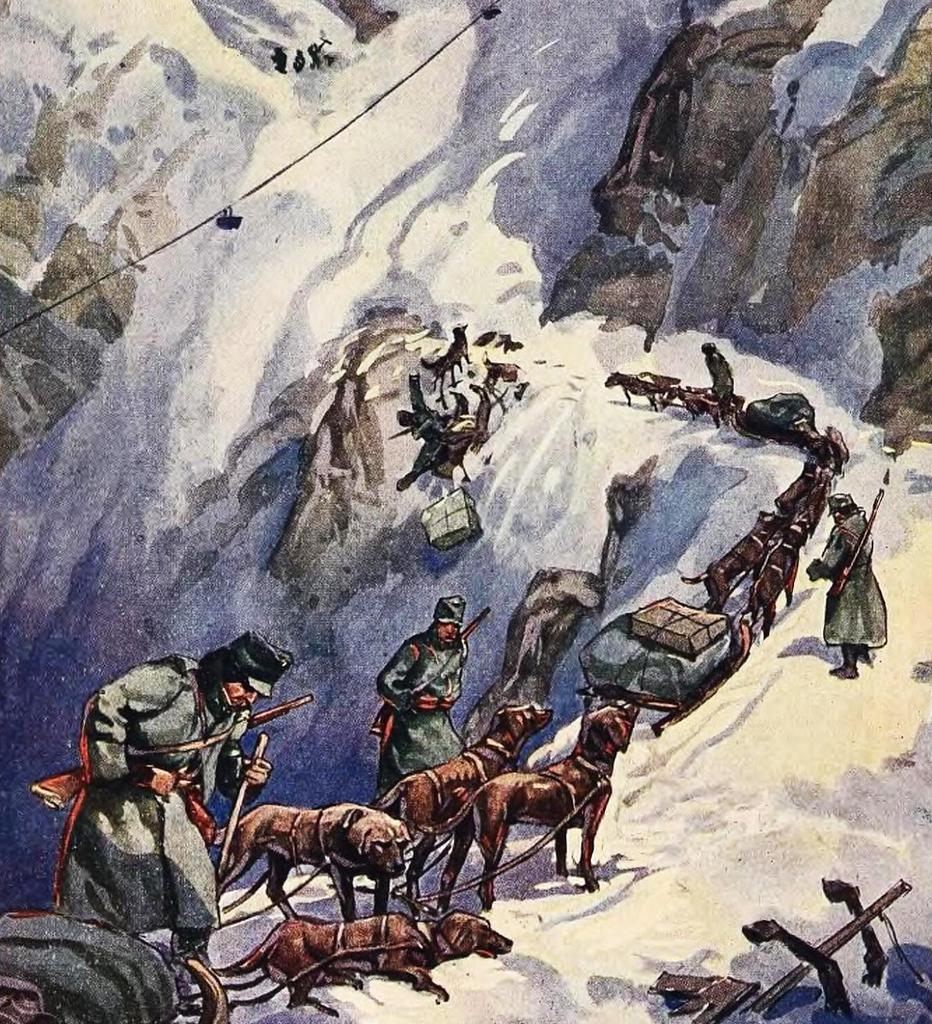
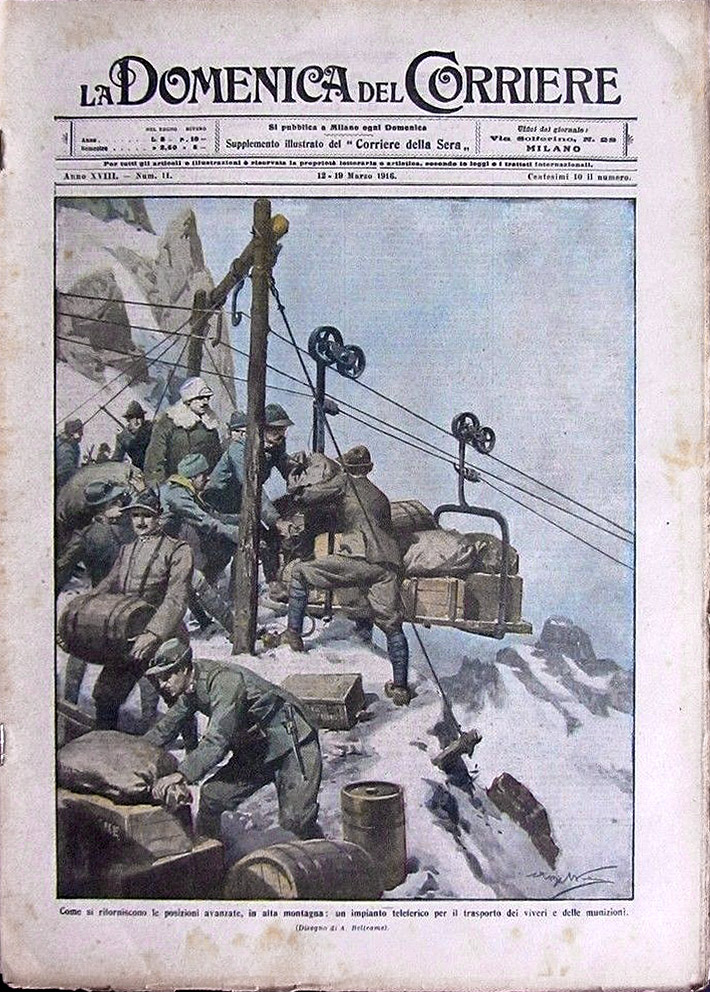
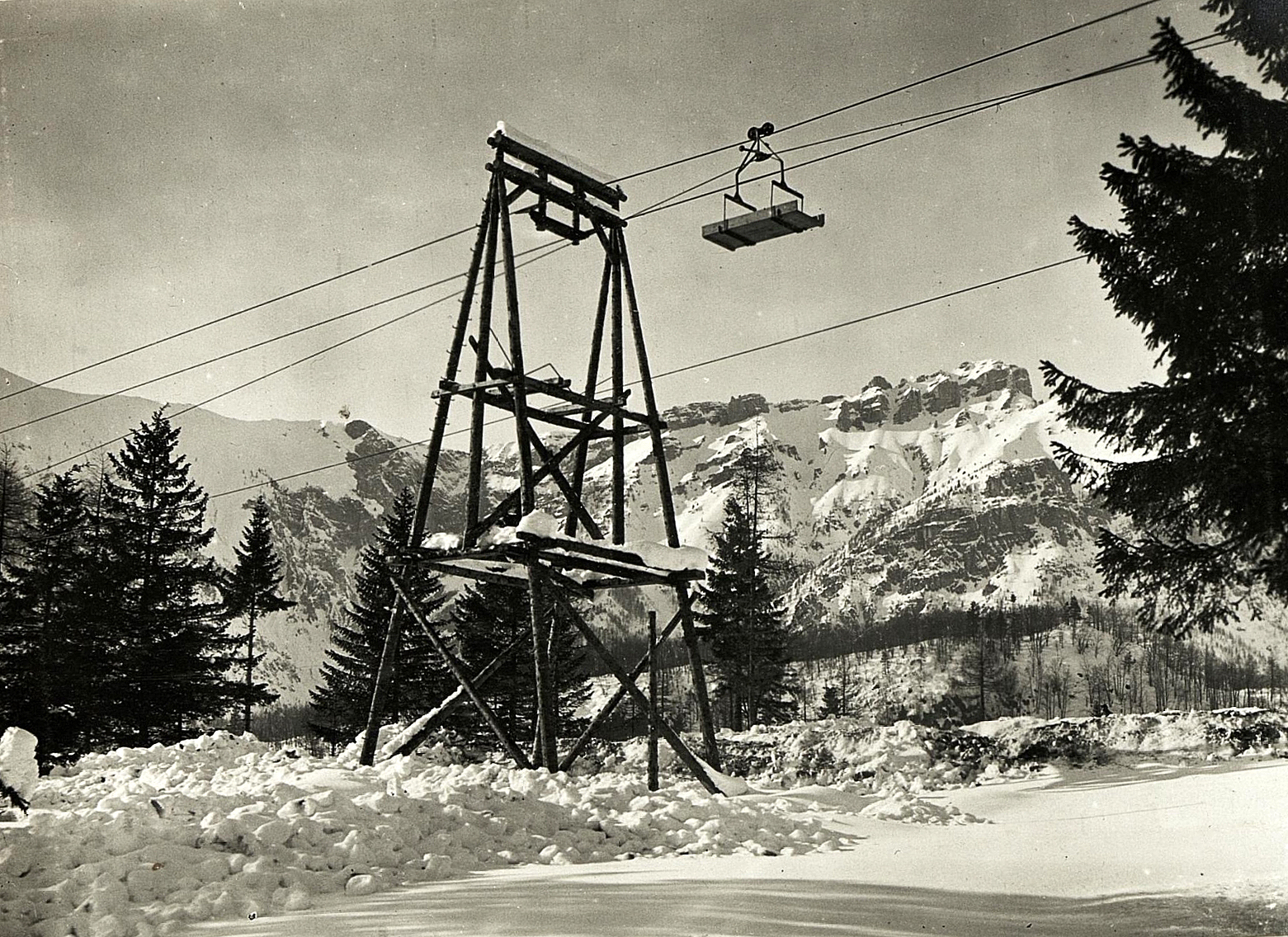
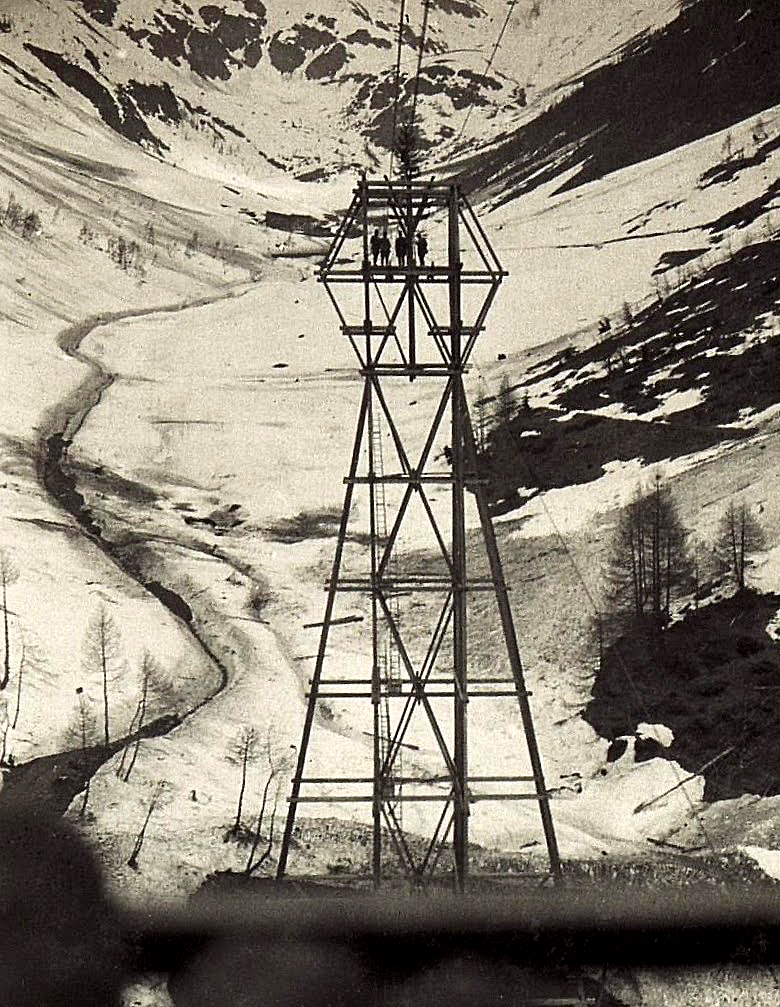
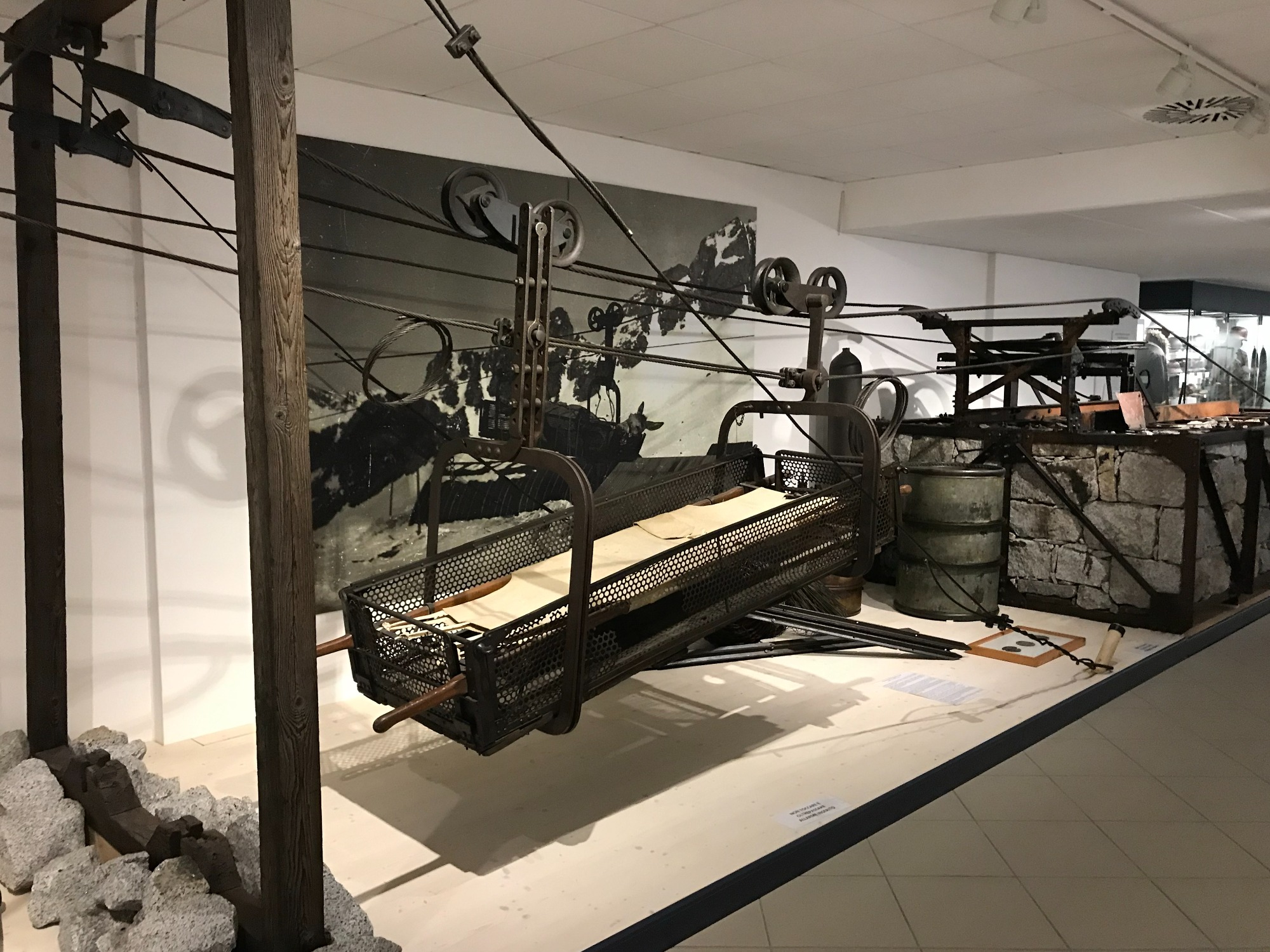
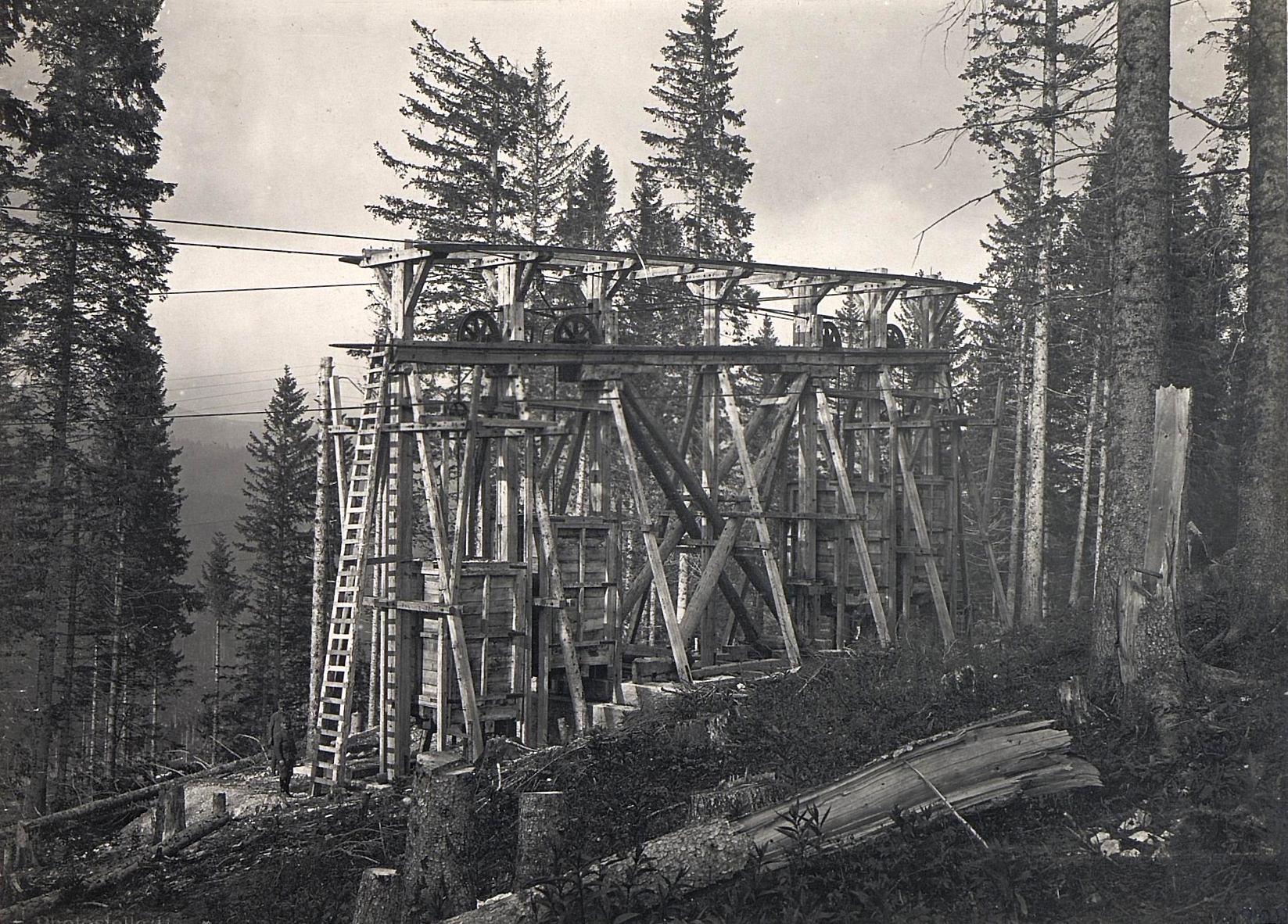
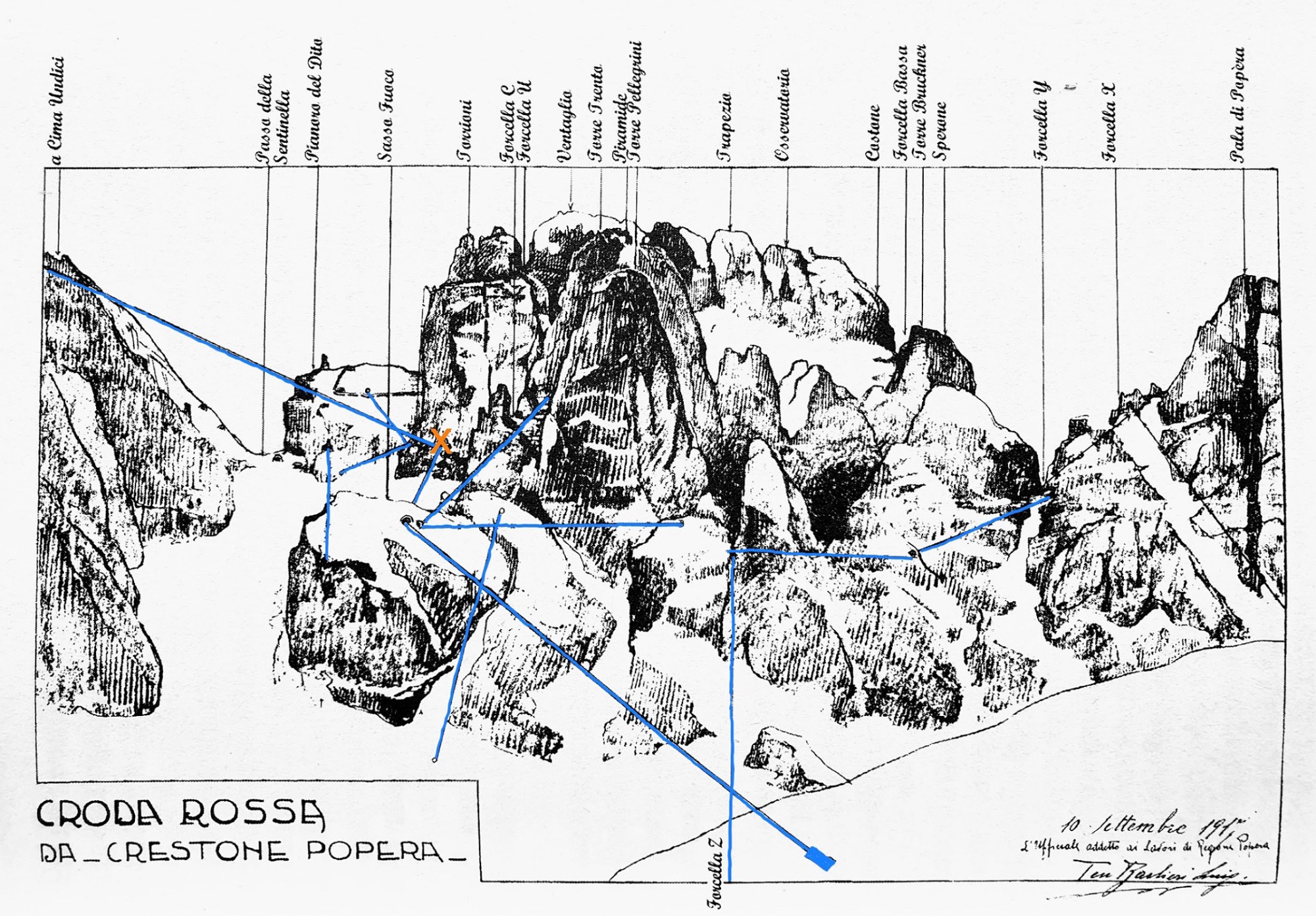
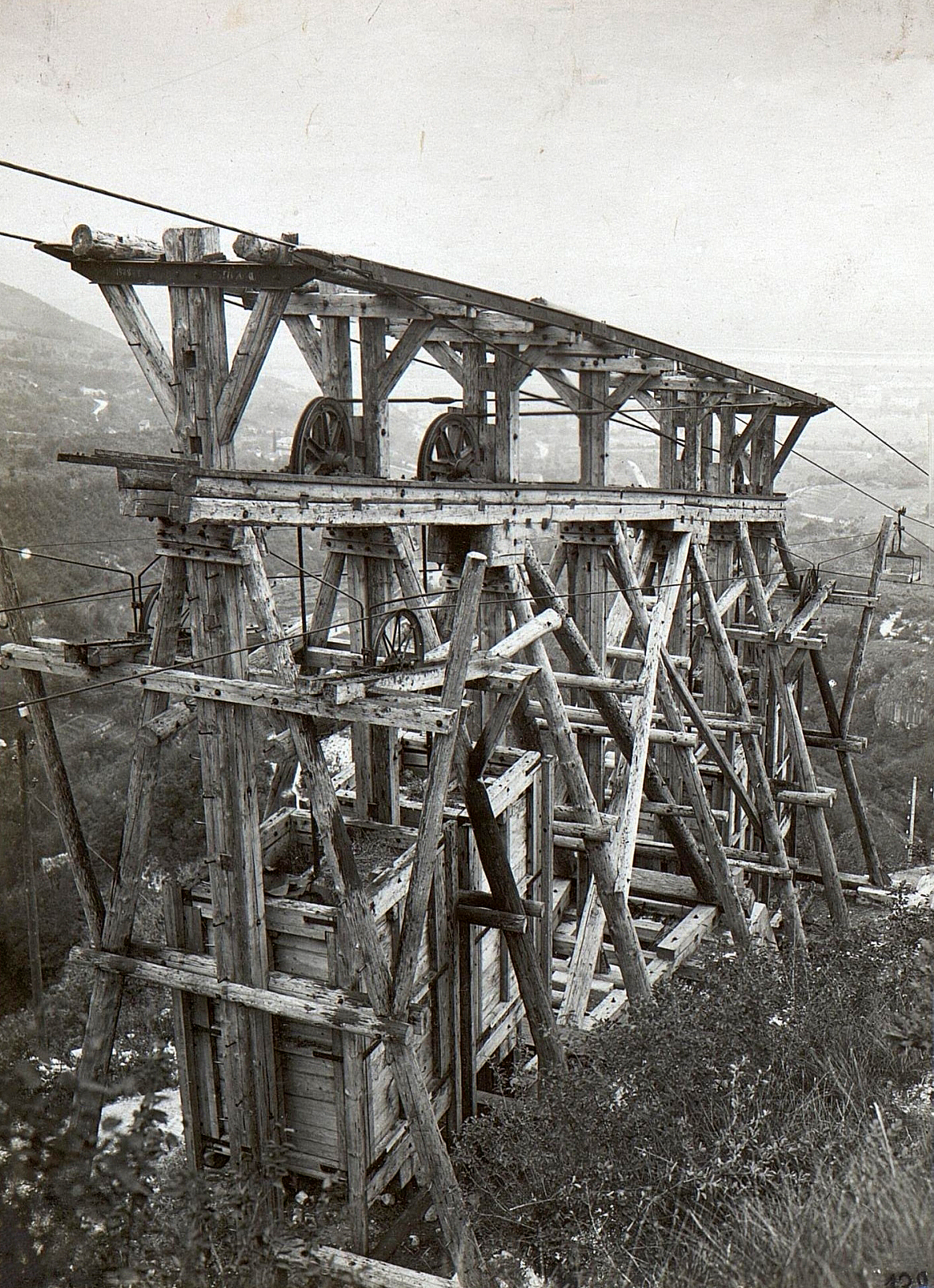
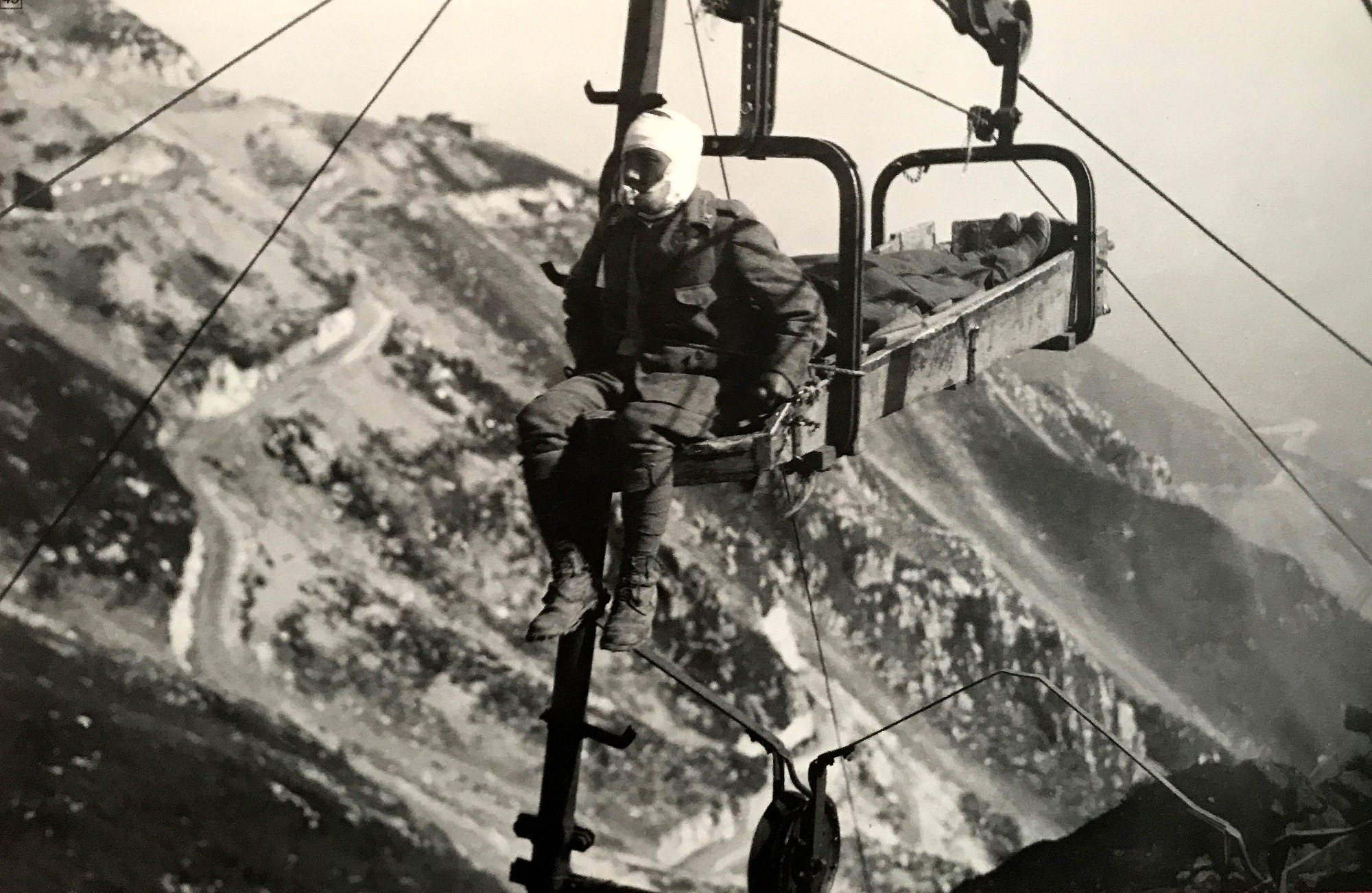
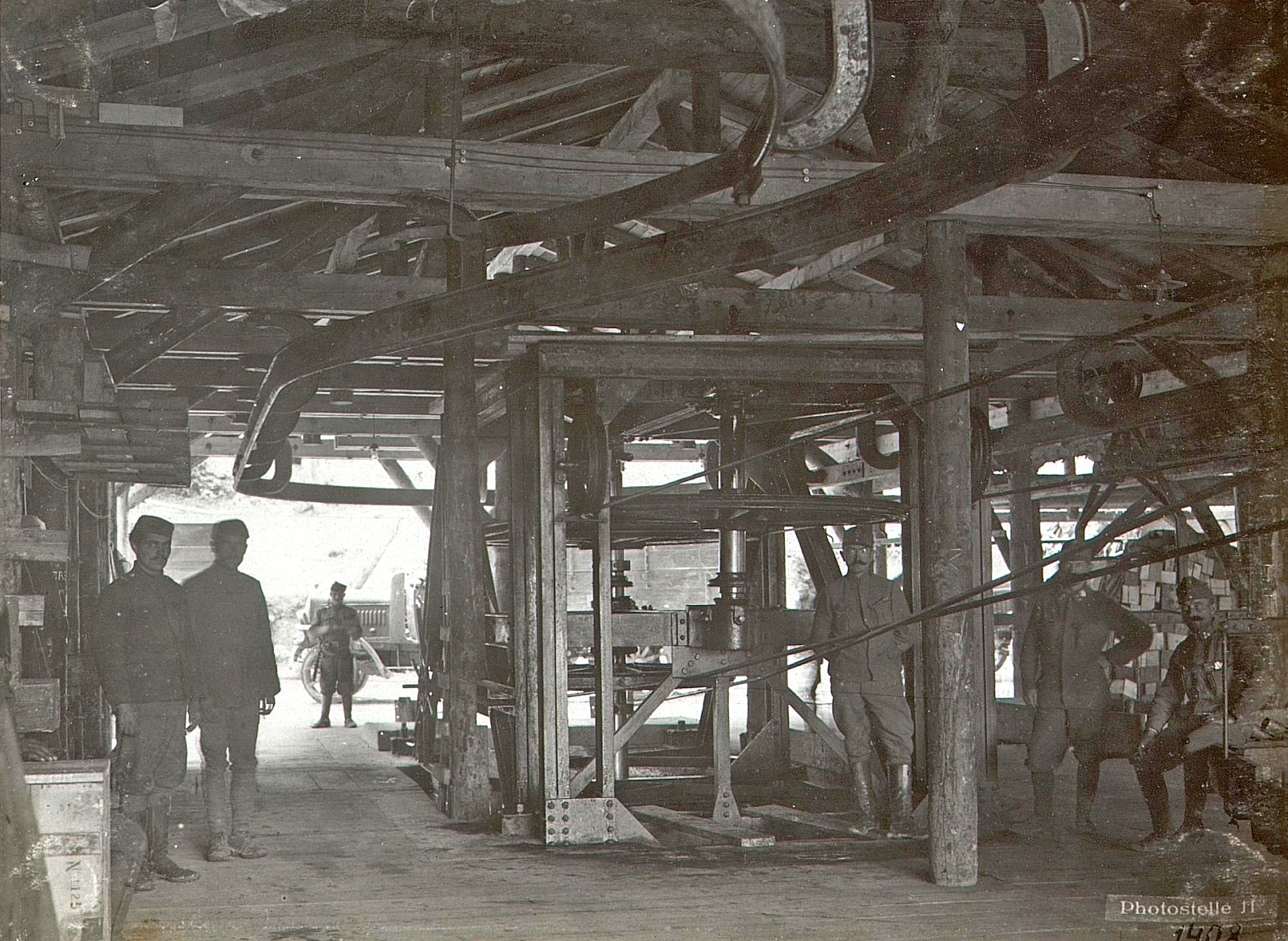
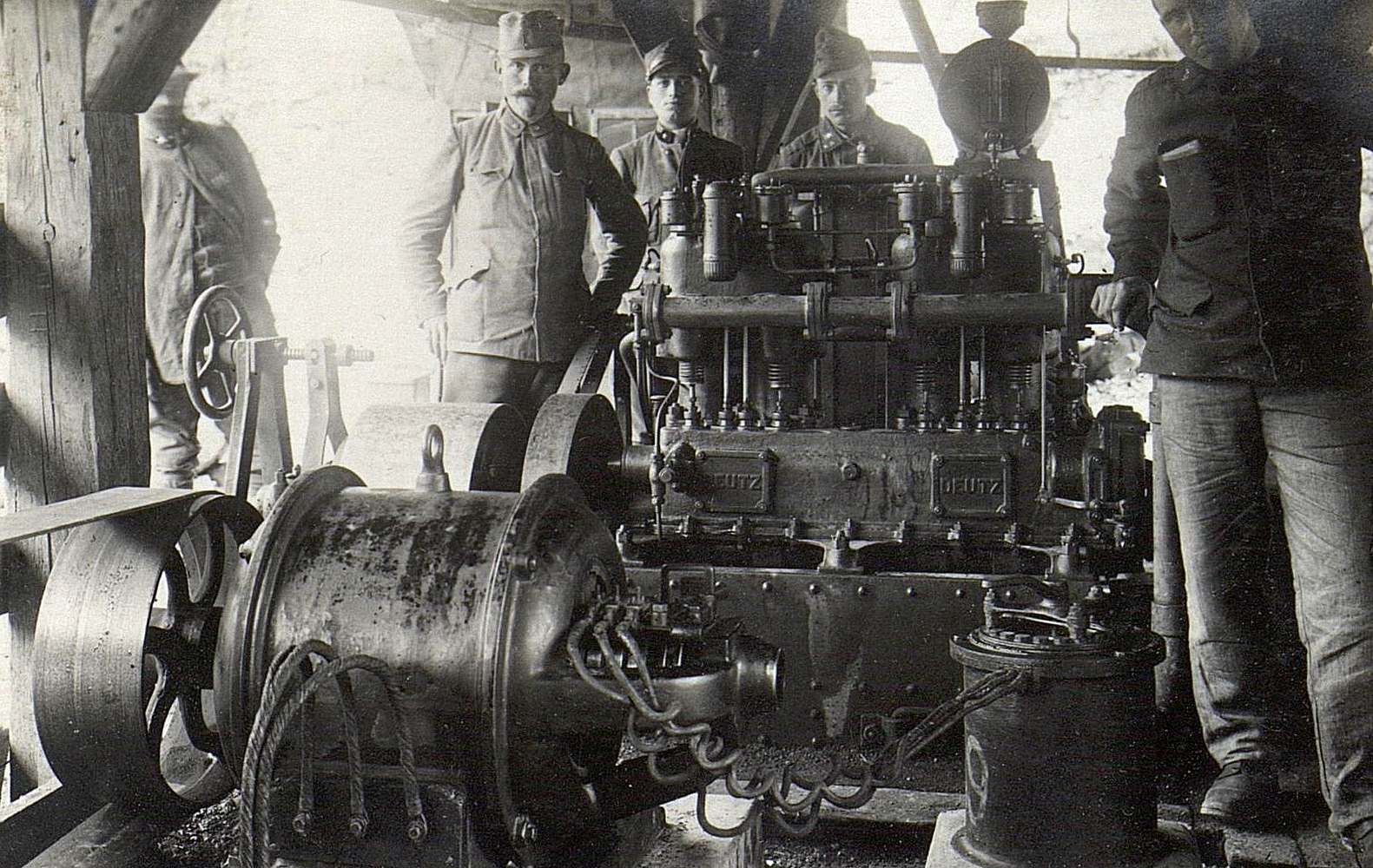
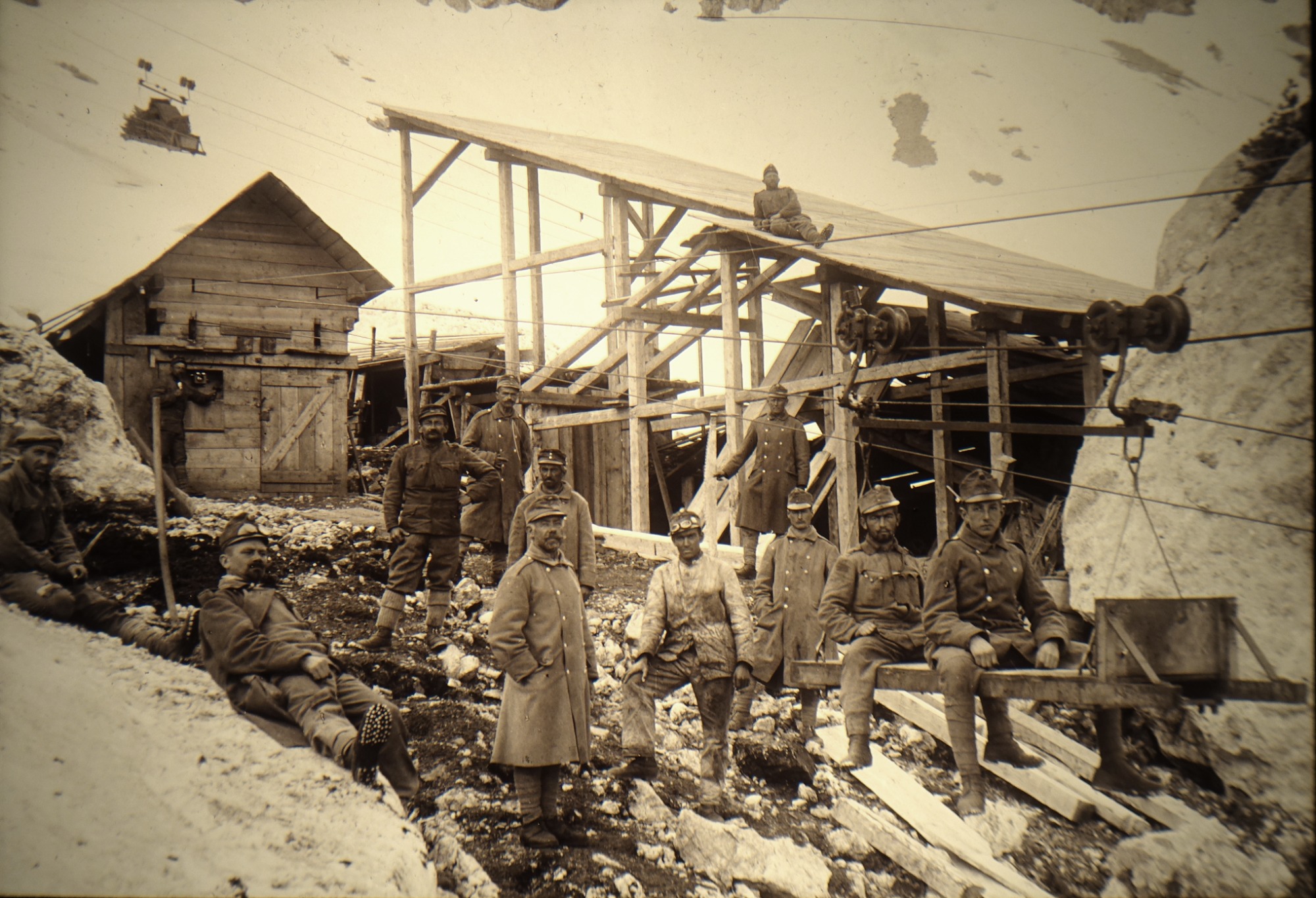
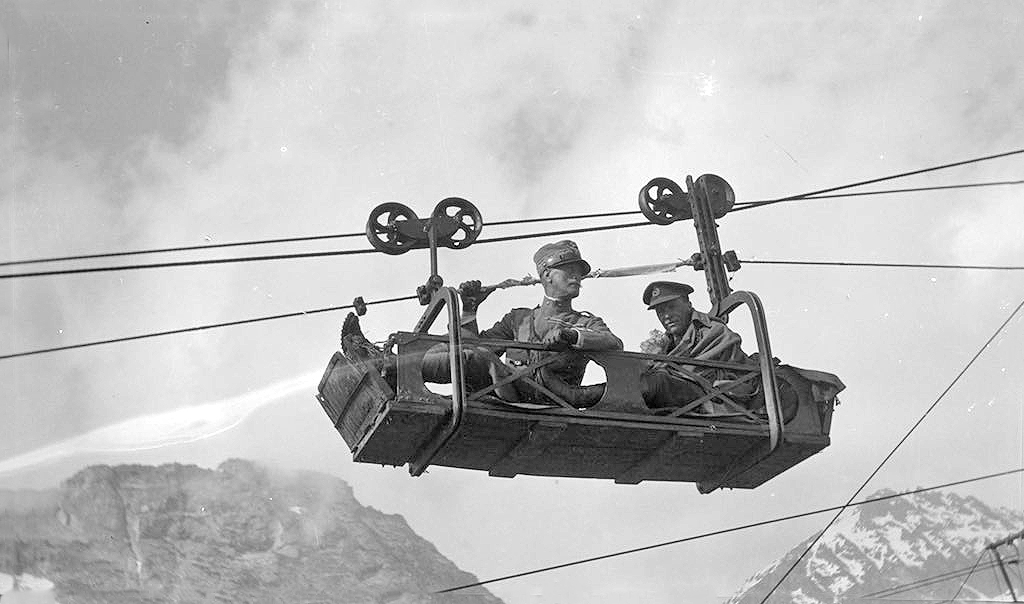
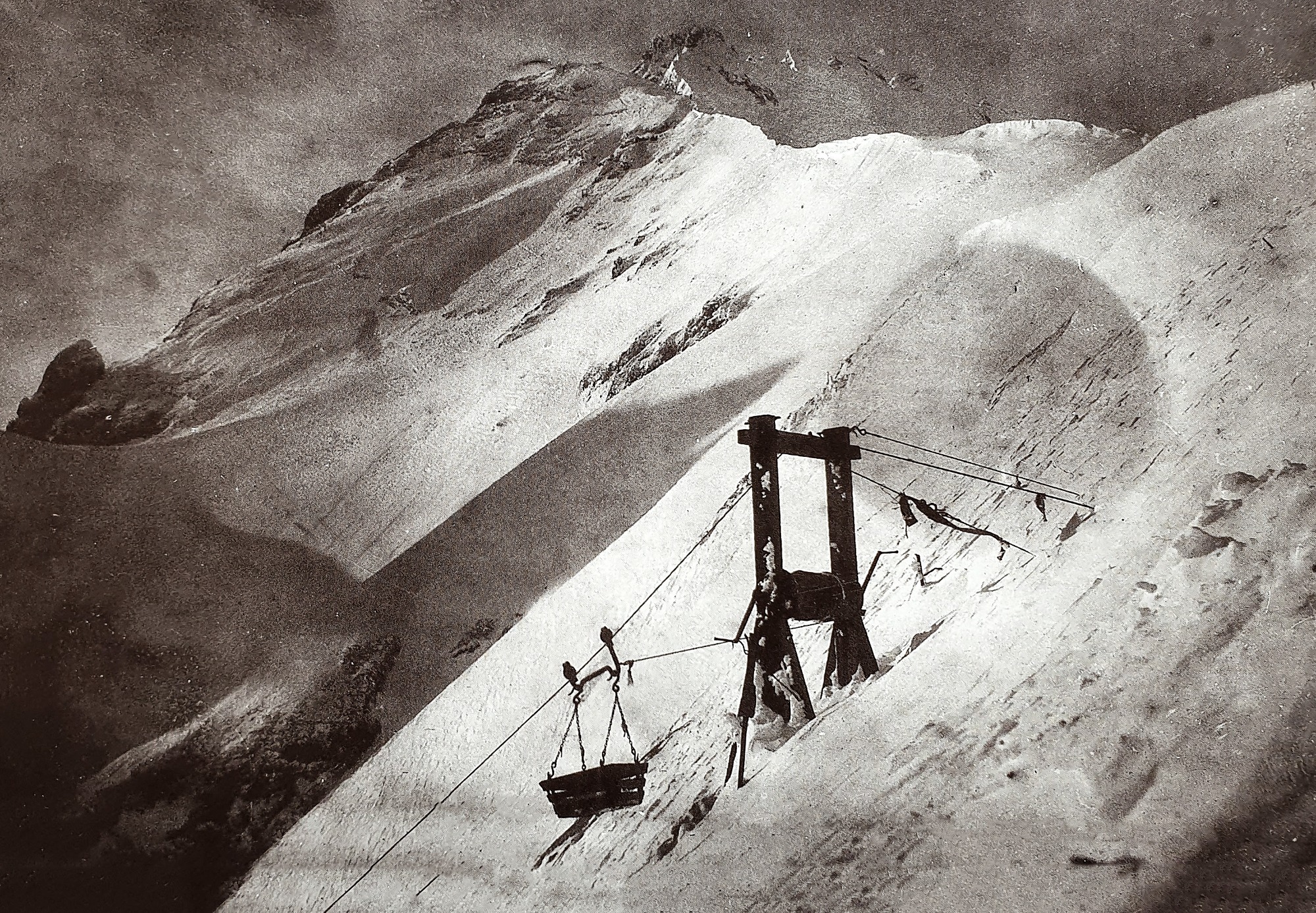
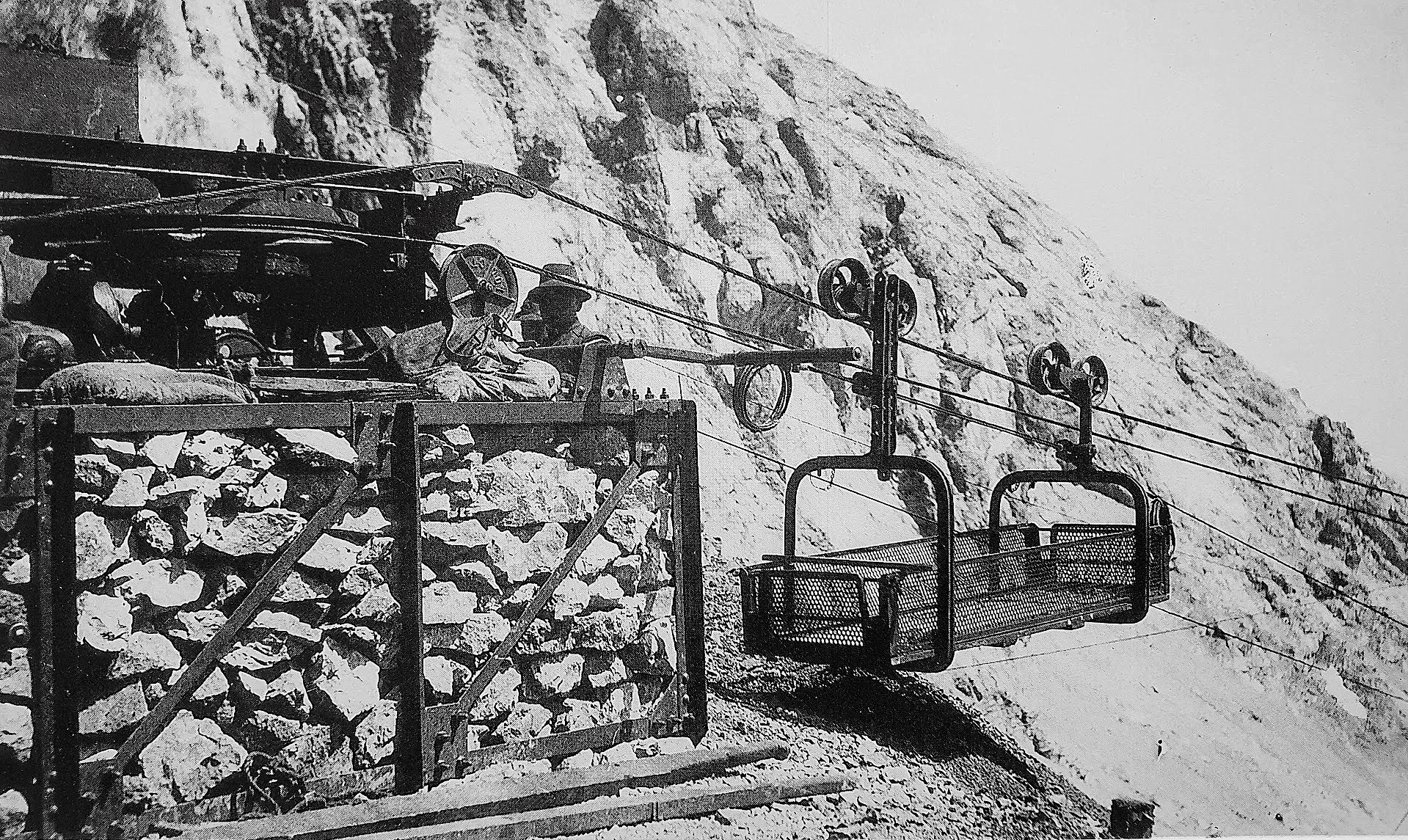
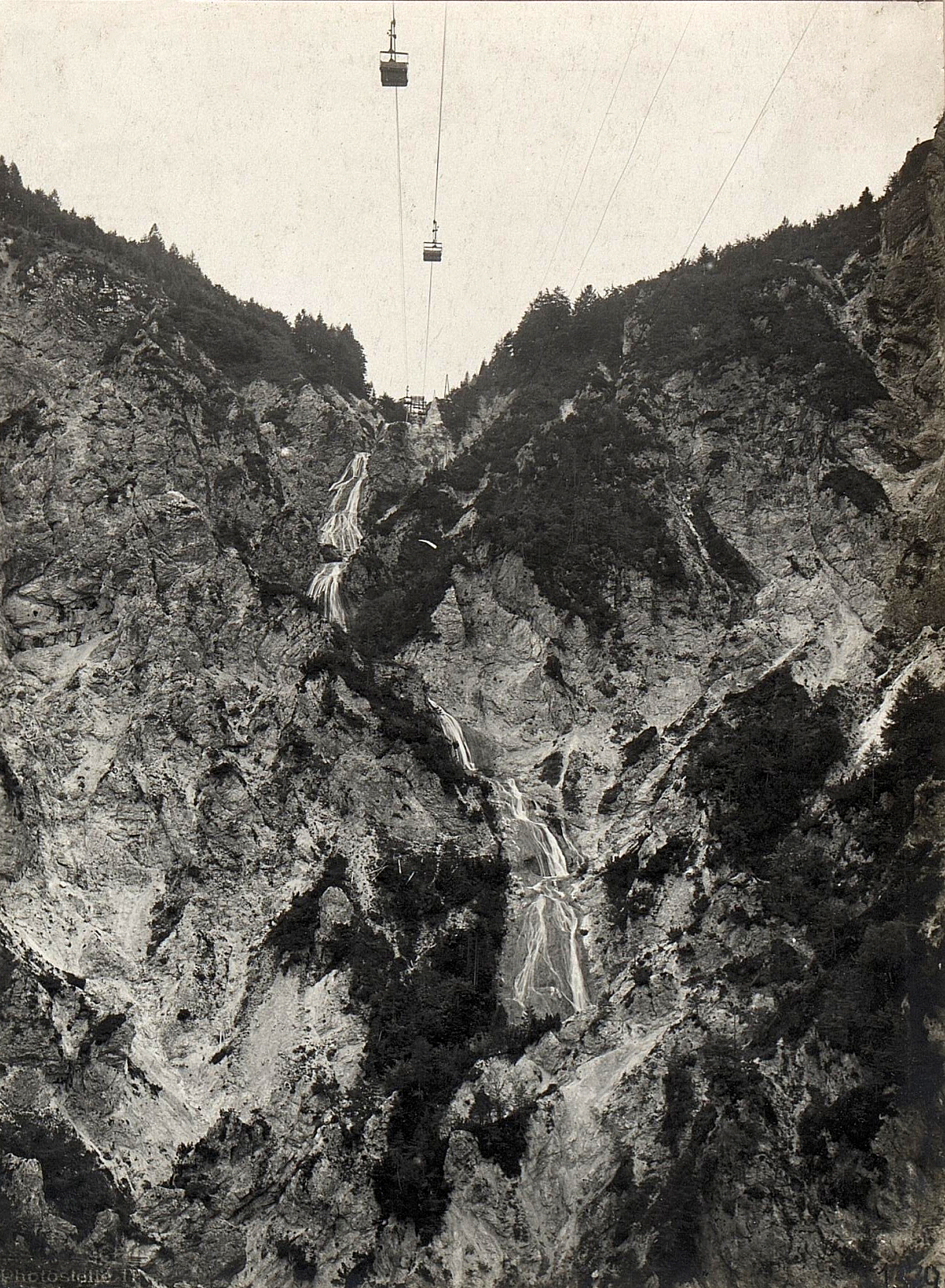
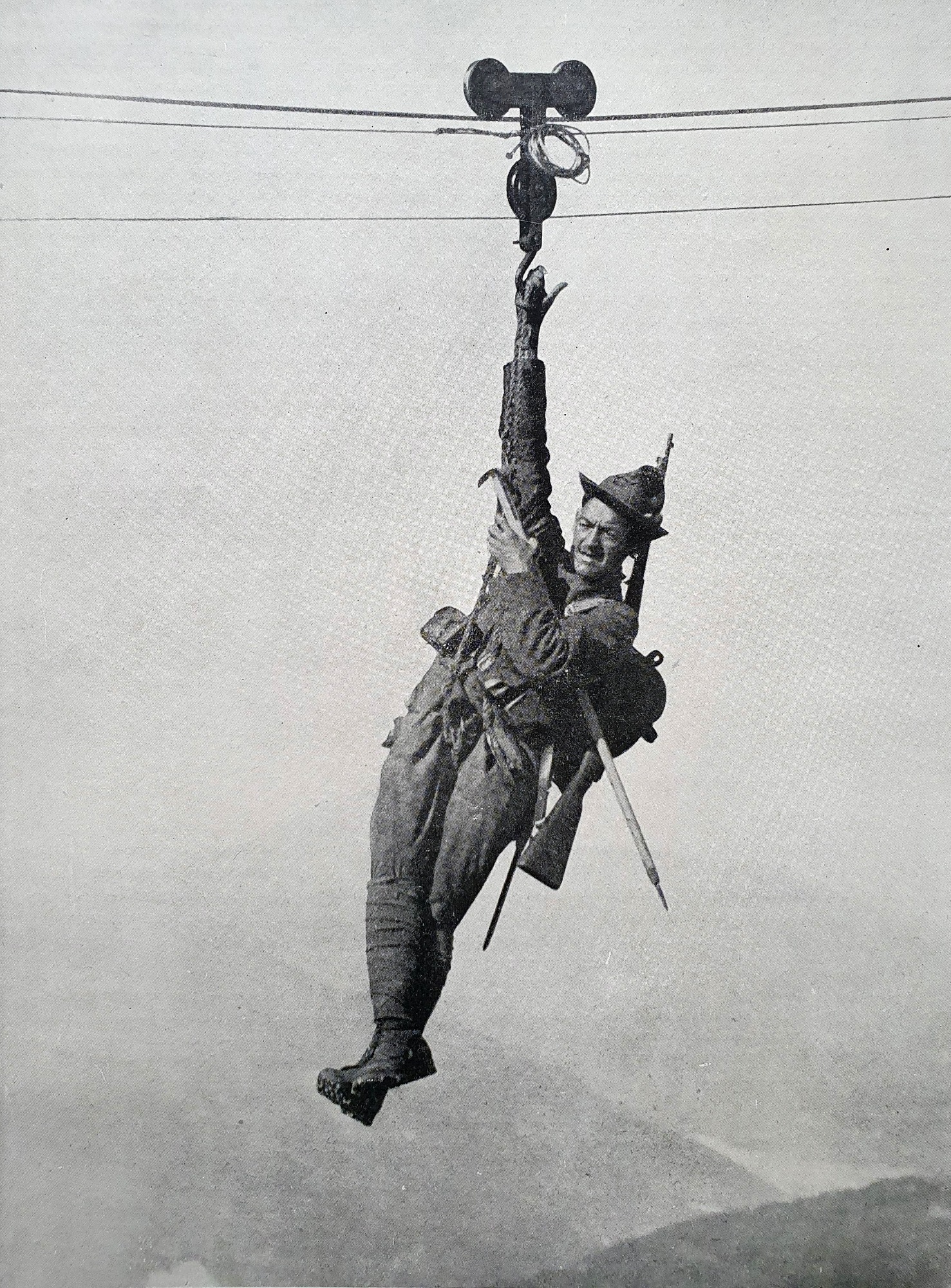
When the front lines stabilised at the end of 1915, both sides faced the problem of how to supply troops high on mountain tops. There were rarely any roads nearby, and sending supplies up by man and mule was slow and inefficient. During the Austro-Hungarian occupation of Bosnia Herzegovina in 1878 they had taken experience from the mining industry to build cable-car systems (Seilbahn) up to their mountain positions, and they brought this know-how to the Alpine front. The Italians quickly followed suit, and established specialist teleferica platoons all along the front.
By October 1917 the Italian Army had built 2,170 plants, which covered a total length of 2,300km, capable of transporting 3,800 tonnes of material per hour, and the Austrians had built 410 cableways, with a length of 750km and an hourly capacity of 2,175 tonnes.
There were three types — the continuous come-and-go type, the mobile single rope type, and the fixed single rope type — and were operated by electric winch or by hand, depending on location and size of load. Loads ranged from 50kg to 2,000kg. Historian Diego Leoni, writing about the 5th Army Corps in February 1917, notes that 'the movement of six thousand quintals (600,000kg), which a cableway would have guaranteed daily (for 20 hours a day, with a few dozen military specialists and not more than a hundred men), would have required 400 trucks with 1,000 motorists or 1,500 carts with 2,000 soldiers and 3,000 quadrupeds.'
Water
Each soldier needed between five and nine litres of water per day, mules needed 12 to 20 litres. In addition to drinking and cooking, water was also needed for cooling guns/compressors/vehicles, and making concrete.
The strafexpedition deprived the Italians of 11 of the 14 main water sources on the Altopiano. Water for 680,000 men and 118,000 horses/mules had to be brought 30km and up 1,000m by 500 trucks carrying 2,000 barrels (850,000 litres) daily. There were only two roads available, and they needed constant maintenance and repair.
Aqueducts were introduced, needing new electric pumps (smaller, more flexible and efficient compared to standard industrial ones). Plunger pumps were introduced instead of centrifuges (less prone to failure, apparently) and the inner tubes were replaced with steel pipes in order to solve another crucial problem - lifting with a single 'send' to high, and very high, altitudes.
By April 1917 Italian engineers had constructed a system ton Monte Pasubio that pumped water from Malga Busi (960m asl) to Cima Palon (2,236m), for a total rise of 1,400m. From 1916, Pasubio had 42 aqueducts (24 Italian, 18 AH) stretching for 470km.
The Italians had also built a mains compressed-air system with a total length of 50km.
750,000 litres per day on the Carso in 1917.
In 1918 the Italians brought 1 million litres per day up to Monte Grappa.
Both armies used geologists and cavers to locate underground water sources and produce hydro-geological maps. AH even tried water-divining.
Rifleman Pogačar
Franc Uran, in his post-WW1 memoir about the Vršič pass, gives us an interesting glimpse of the opening days of the war in the Bovec basin. “When on the 24th of May, the war with Italy began, there were no troops in the Soča Basin, except at Predil Pass. There were only four riflemen in the firing trenches near Bovec, among them was the sentry Pogačar. They had rifles placed in the trenches at certain distances. The Italians were cautiously getting very close, but they didn't dare to go any further, because these riflemen were going from gun to gun and shooting all day. It was not until much later that the first Austrian units arrived and took up positions there.”
This quote got me very excited because Tadej Pogačar is, as I write this, the most successful competitor in road bicycle racing, he comes from Slovenia, and is known to train in these mountains. Maybe Pog’s Great Grandfather was one of those four (it is, however, quite a common name in those parts).
British on The Isonzo 1915 - 1917
Hugh Dalton - April 1917. With ten batteries of 6-inch howitzers (40 guns)
Helena Gleichen: December 1915 - November 1917, Villa Zucco
Nina Hollings: December 1915 - November 1917, Villa Zucco
Mrs Watkins (cook for Gleichen X-ray unit)
Sybil Reeves and Vera Woodroffe
George Trevelyan: September 1915 - November 1917, Villa Trento
Geoffrey Young (lost leg)
Lionel Sessions (lost leg)
Phil Arundel
Hamish Allan
Dr Brock, director at Villa Trento
Sir Alexander Ogston, Villa Trento
Dr W E Thompson, Villa Trento surgeon
20 x VADs under Sister Power, Villa Trento
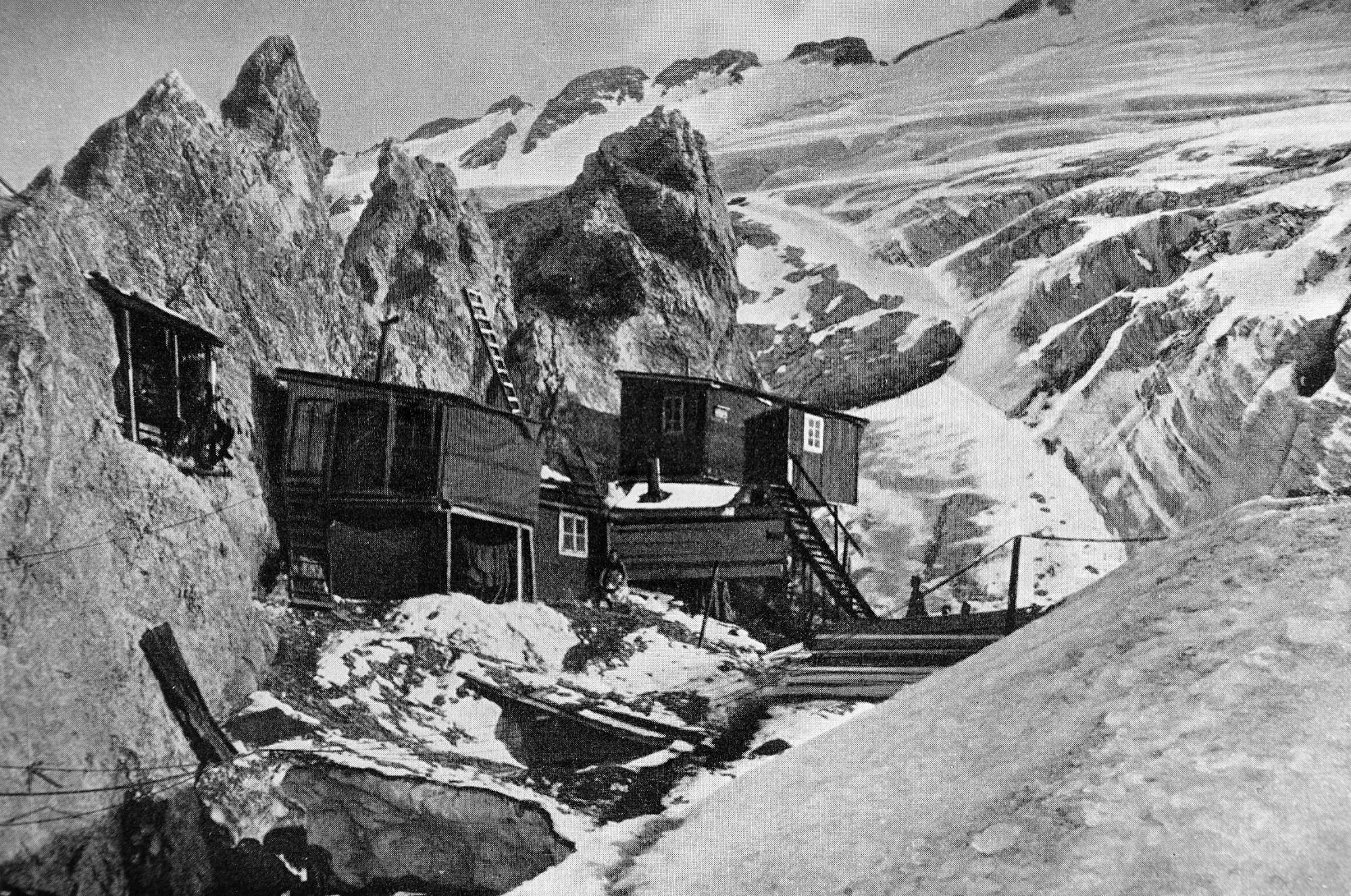
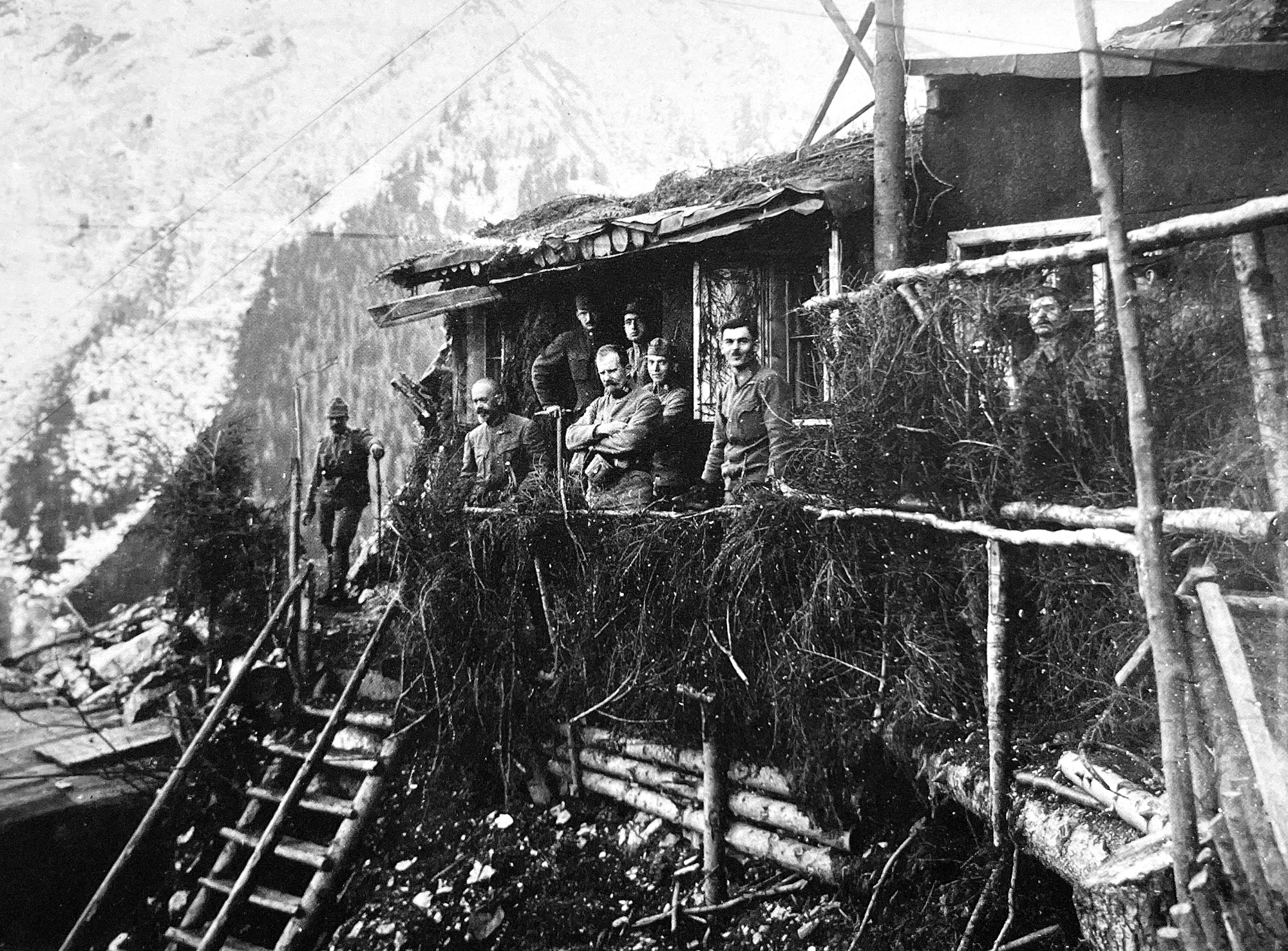
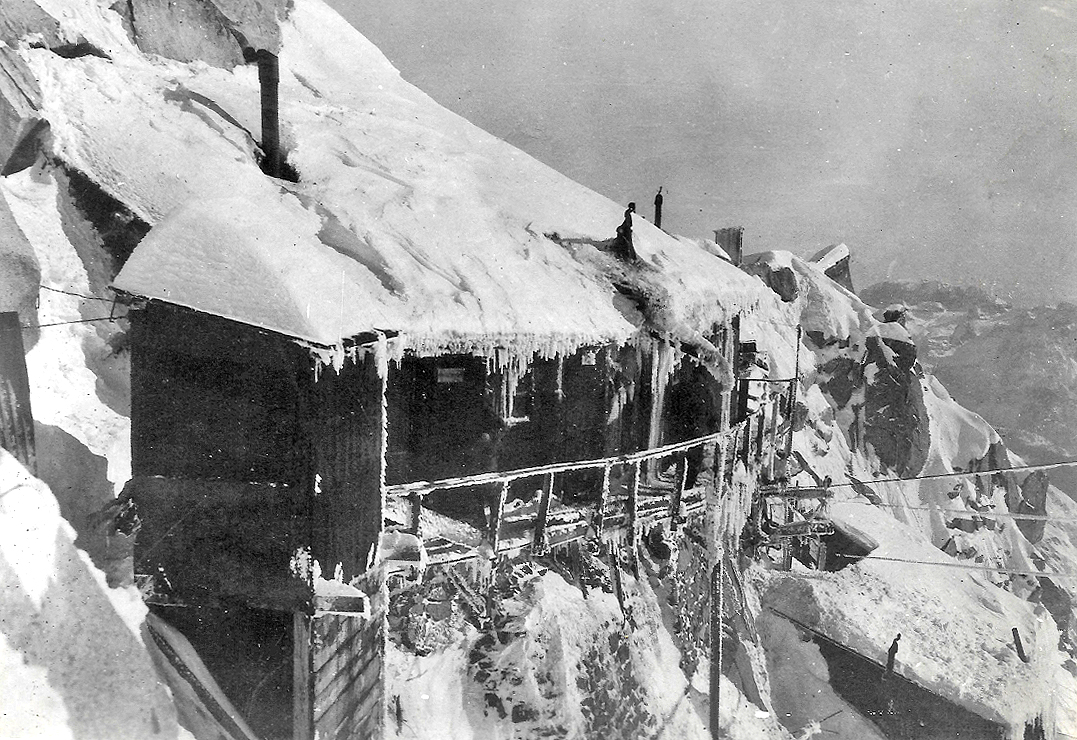
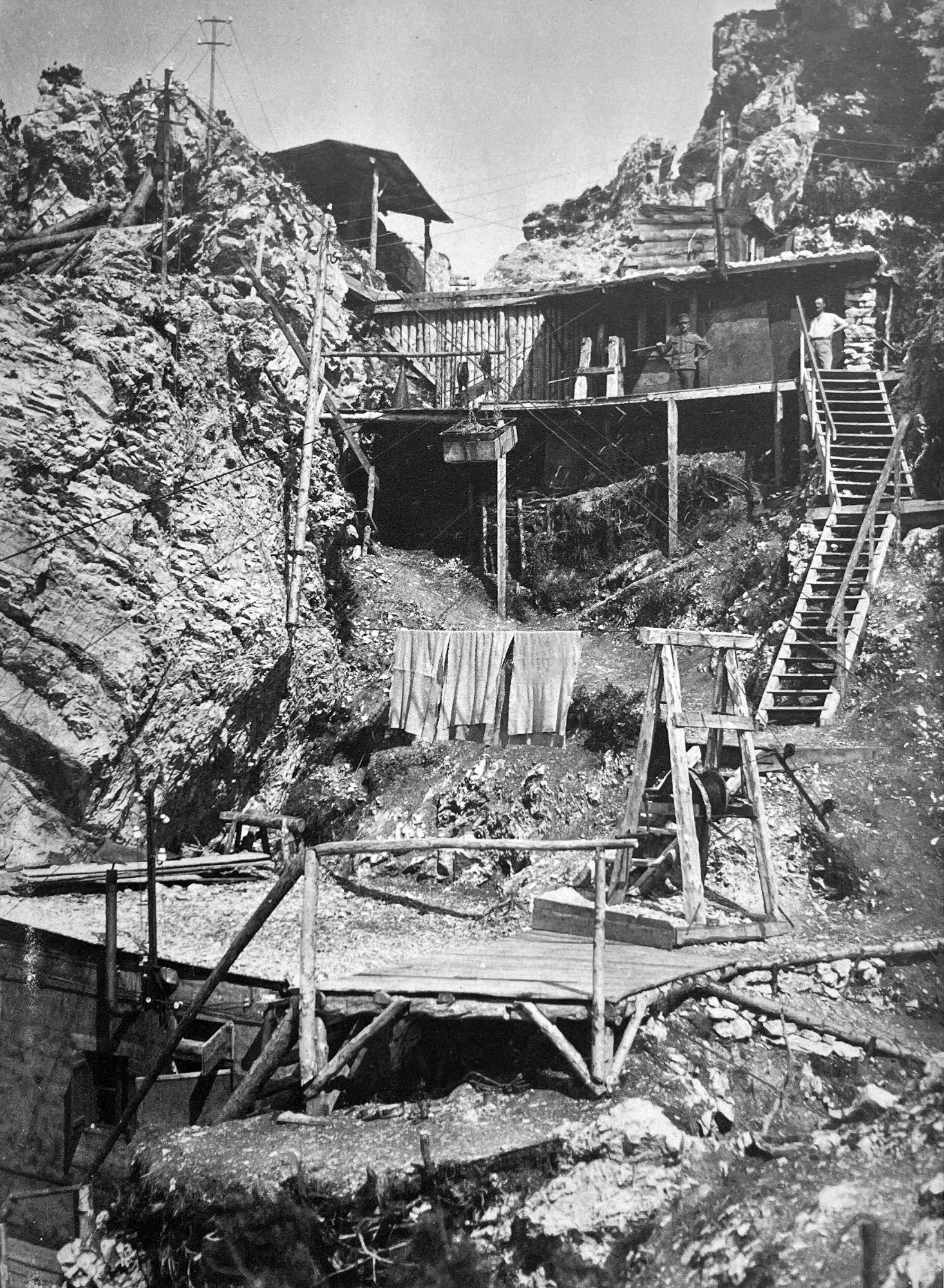
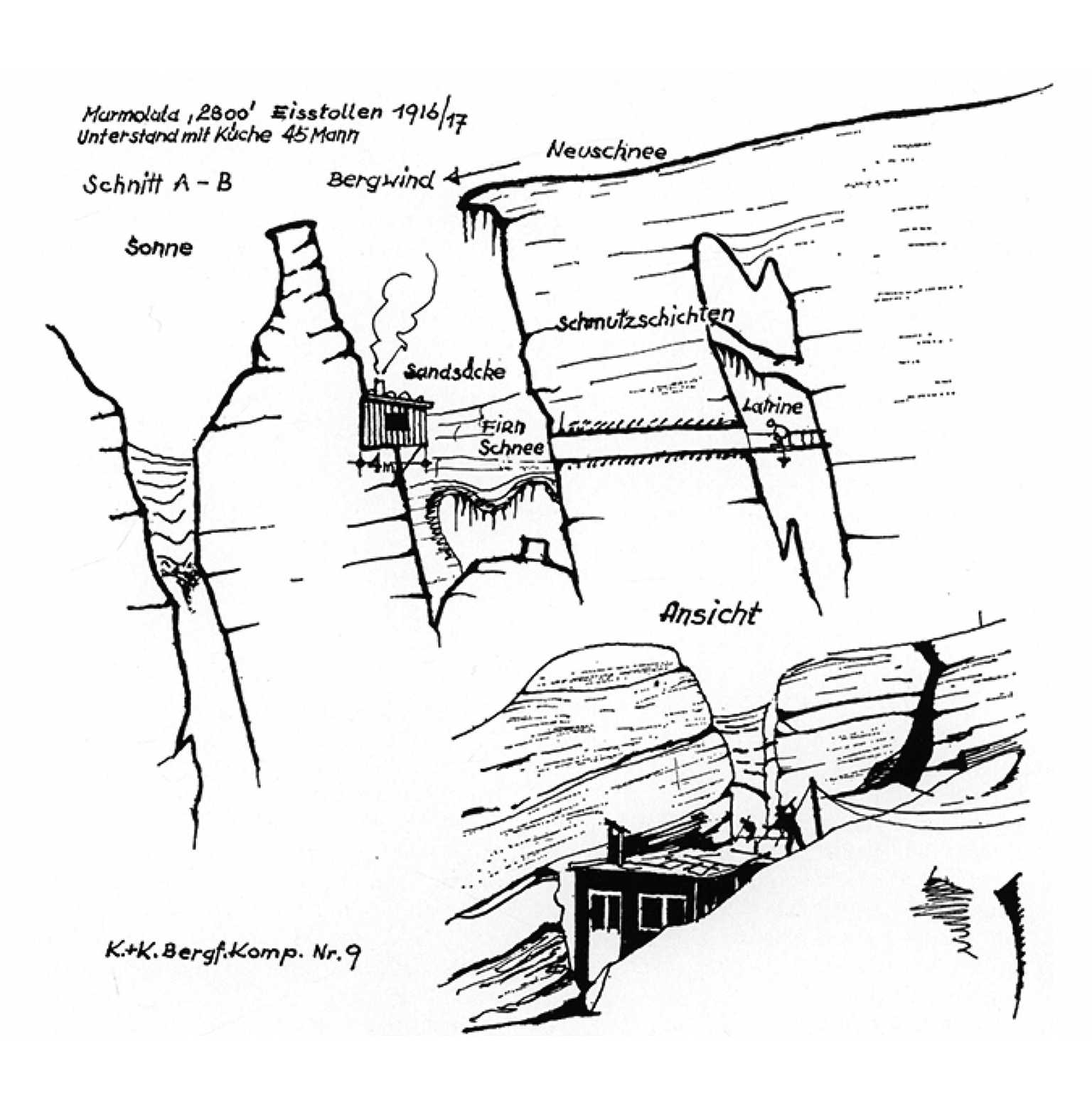
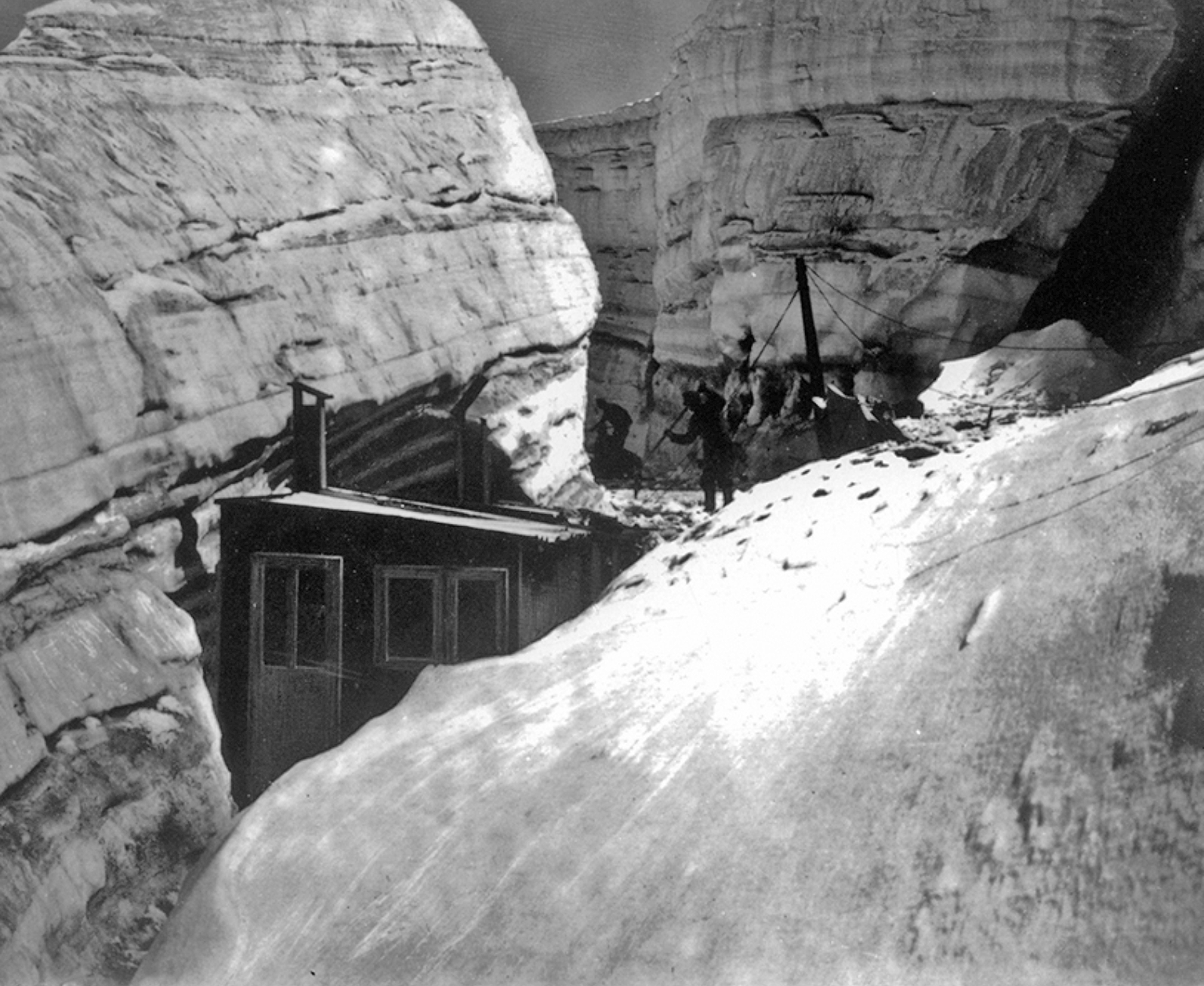
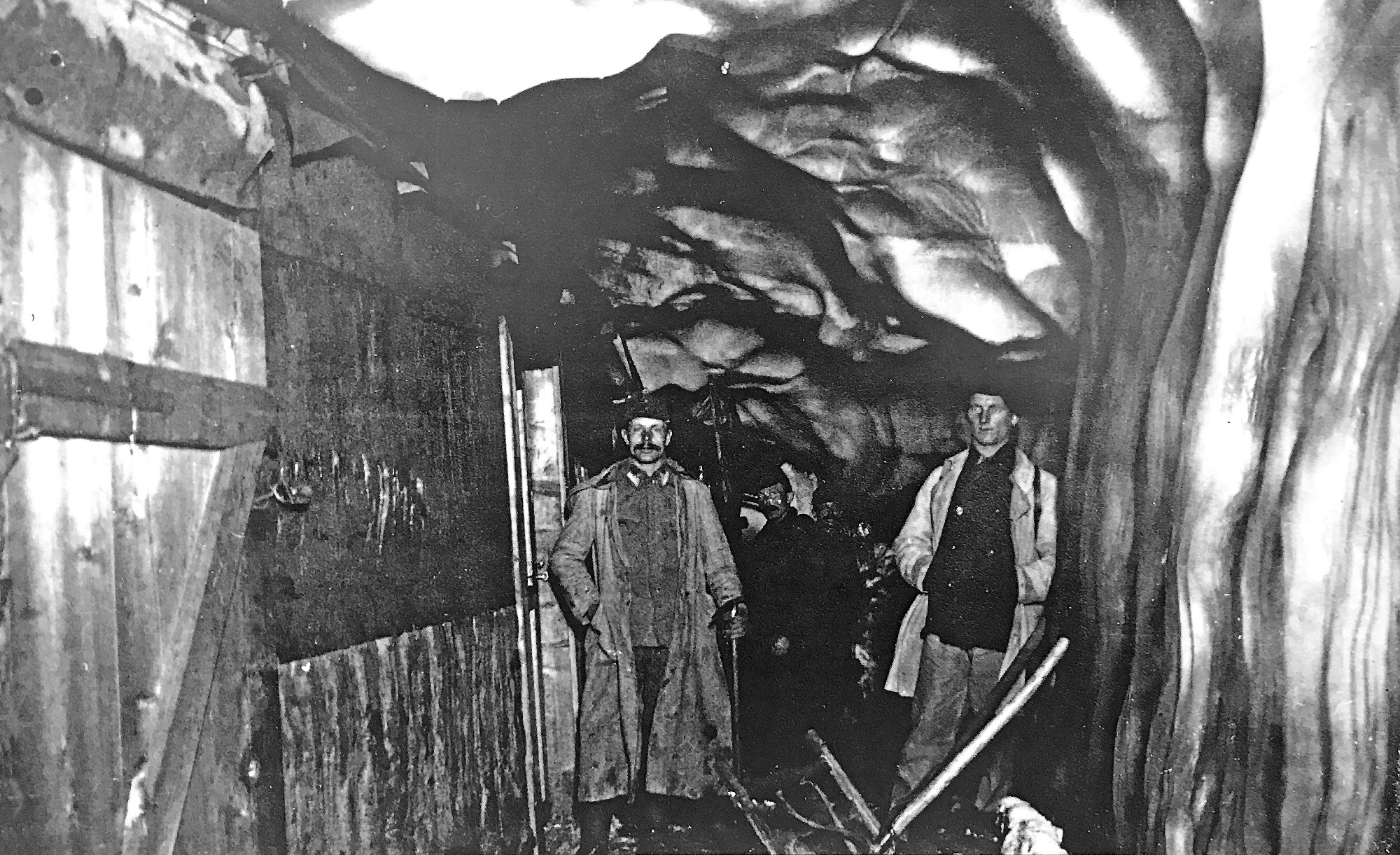
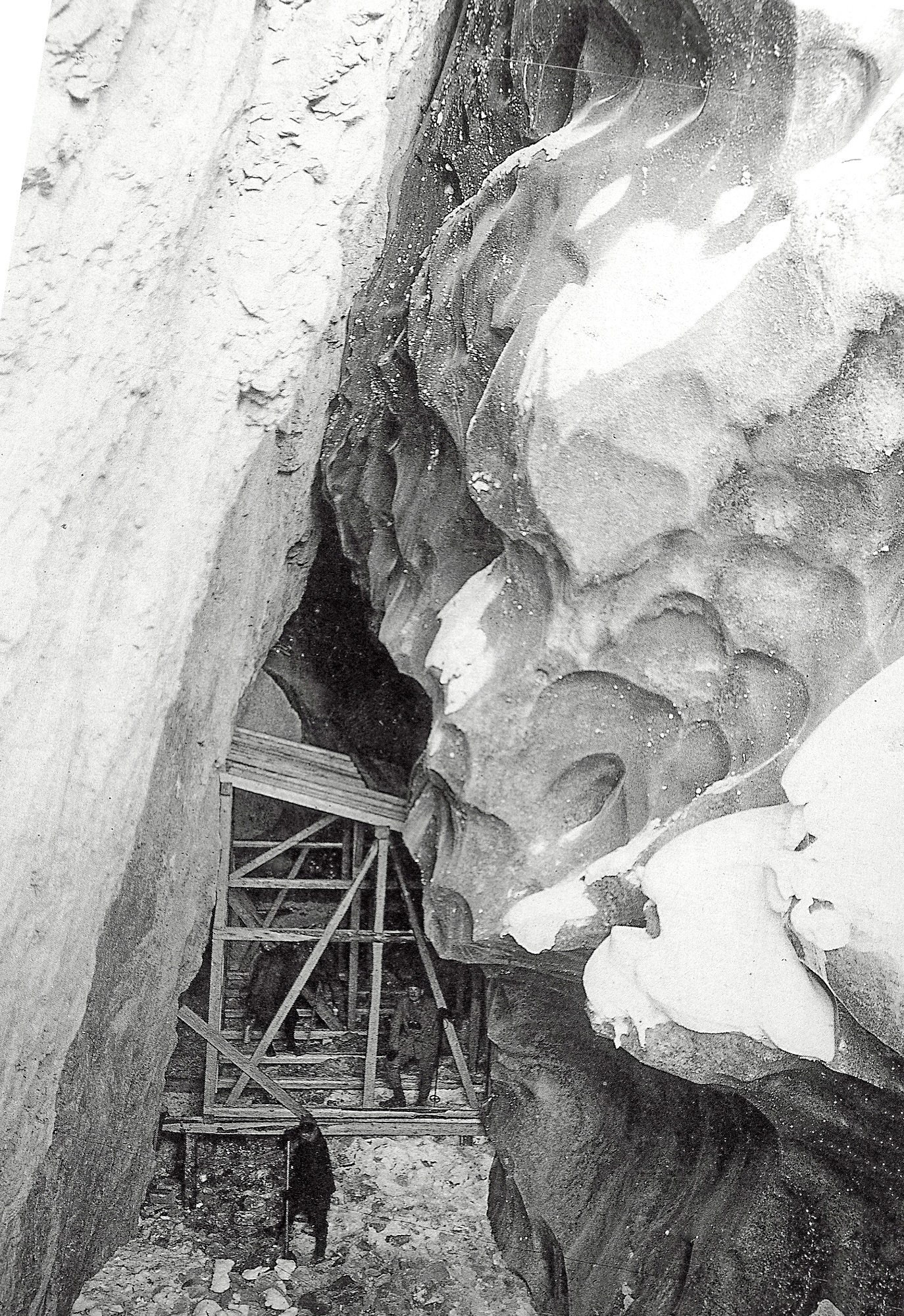
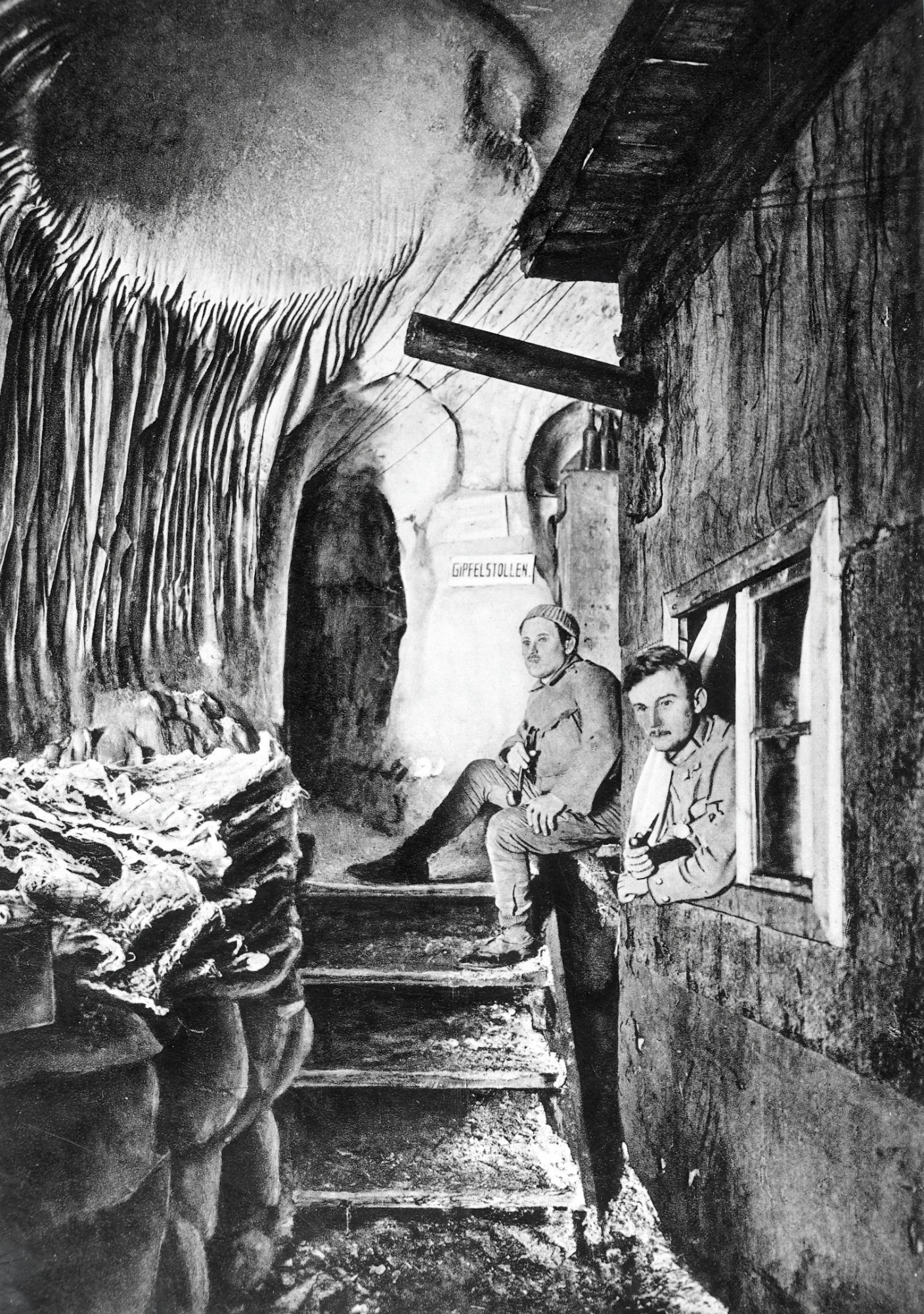
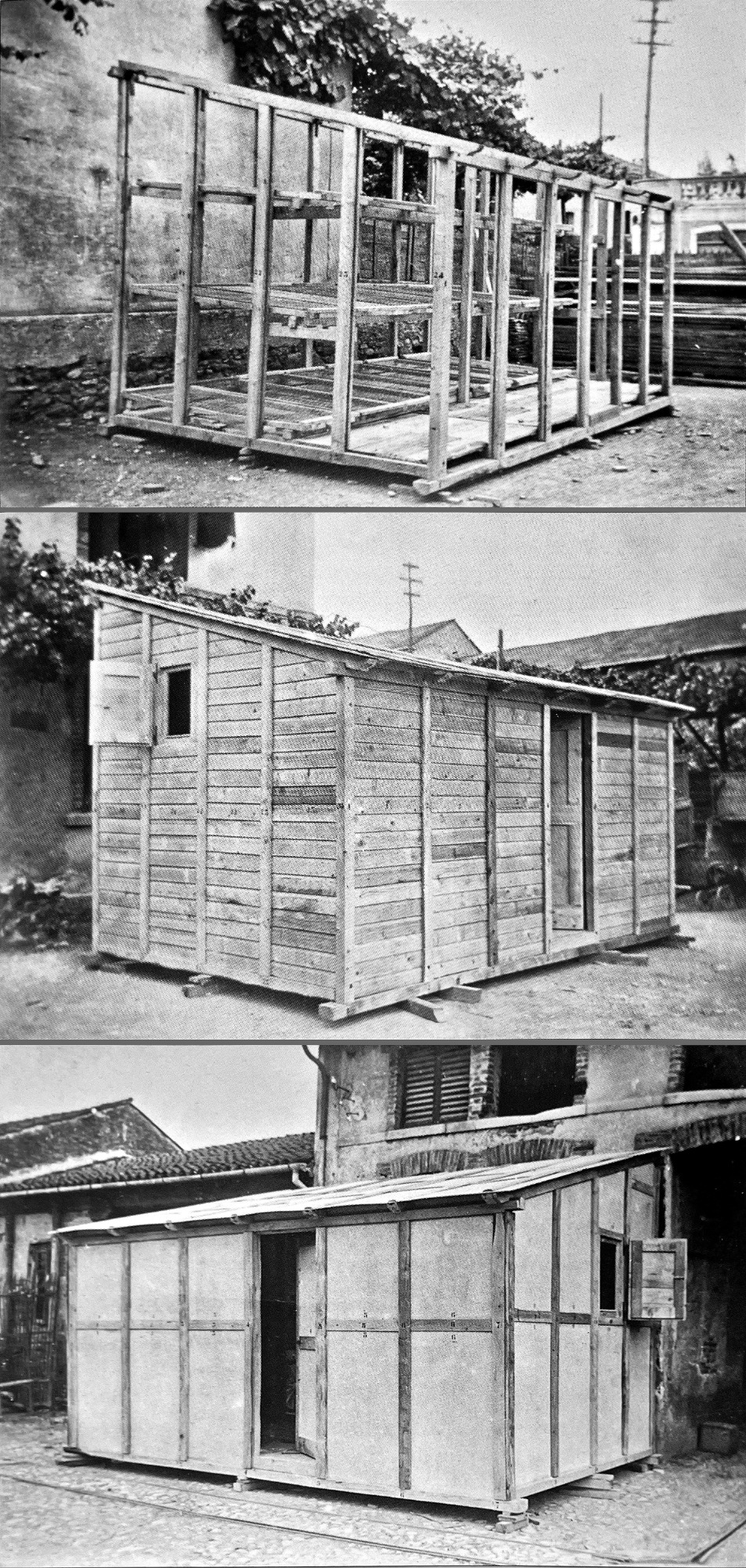
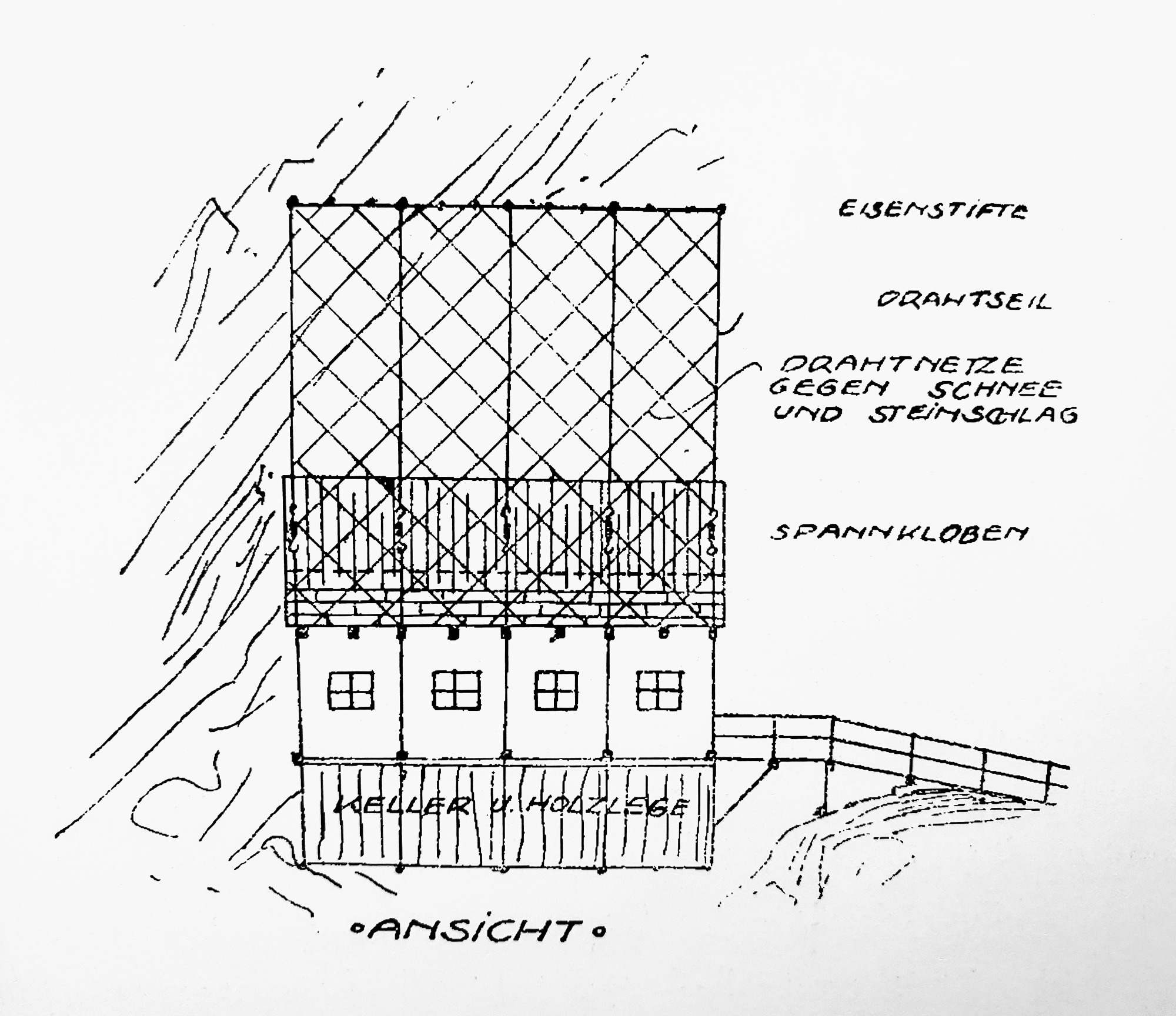
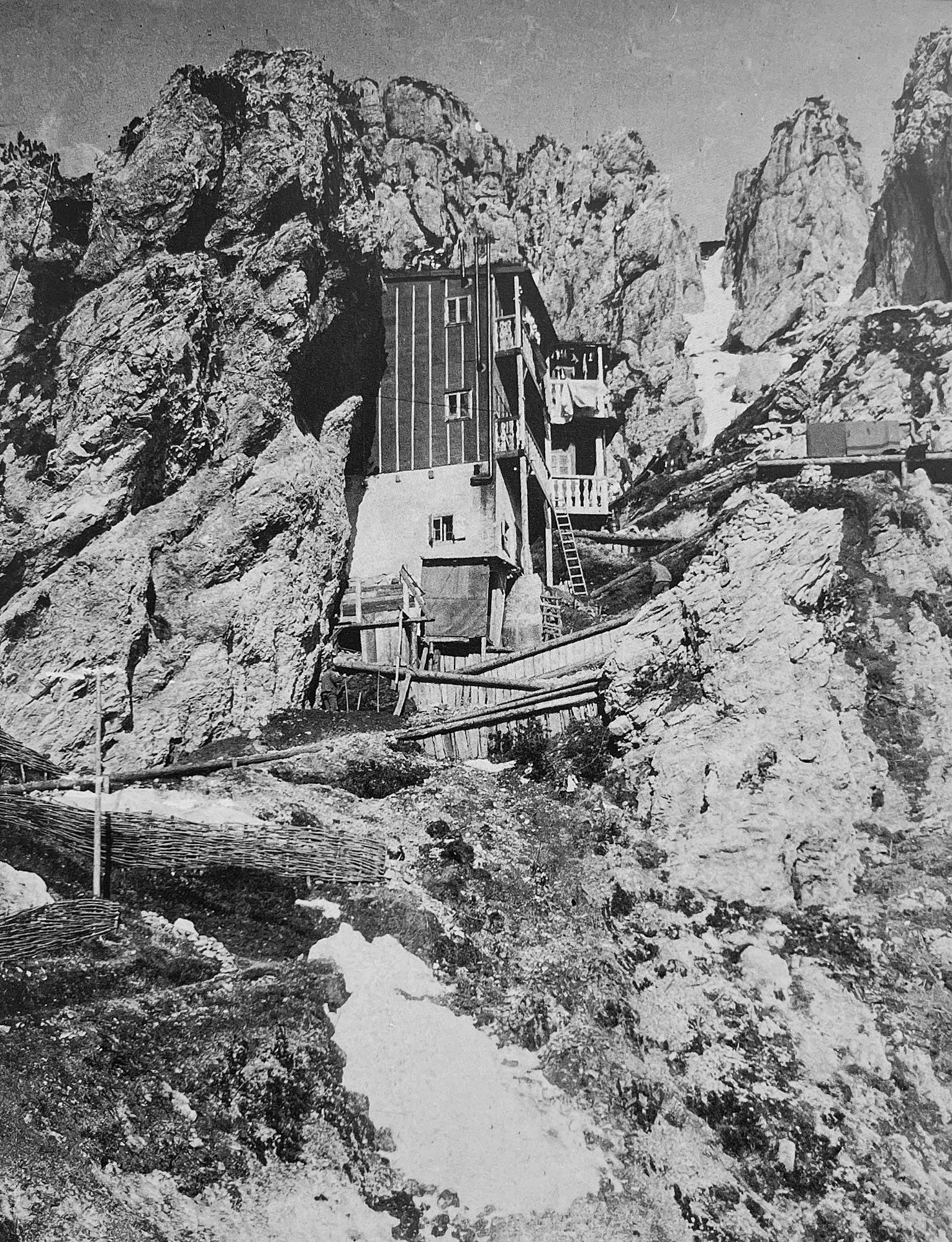
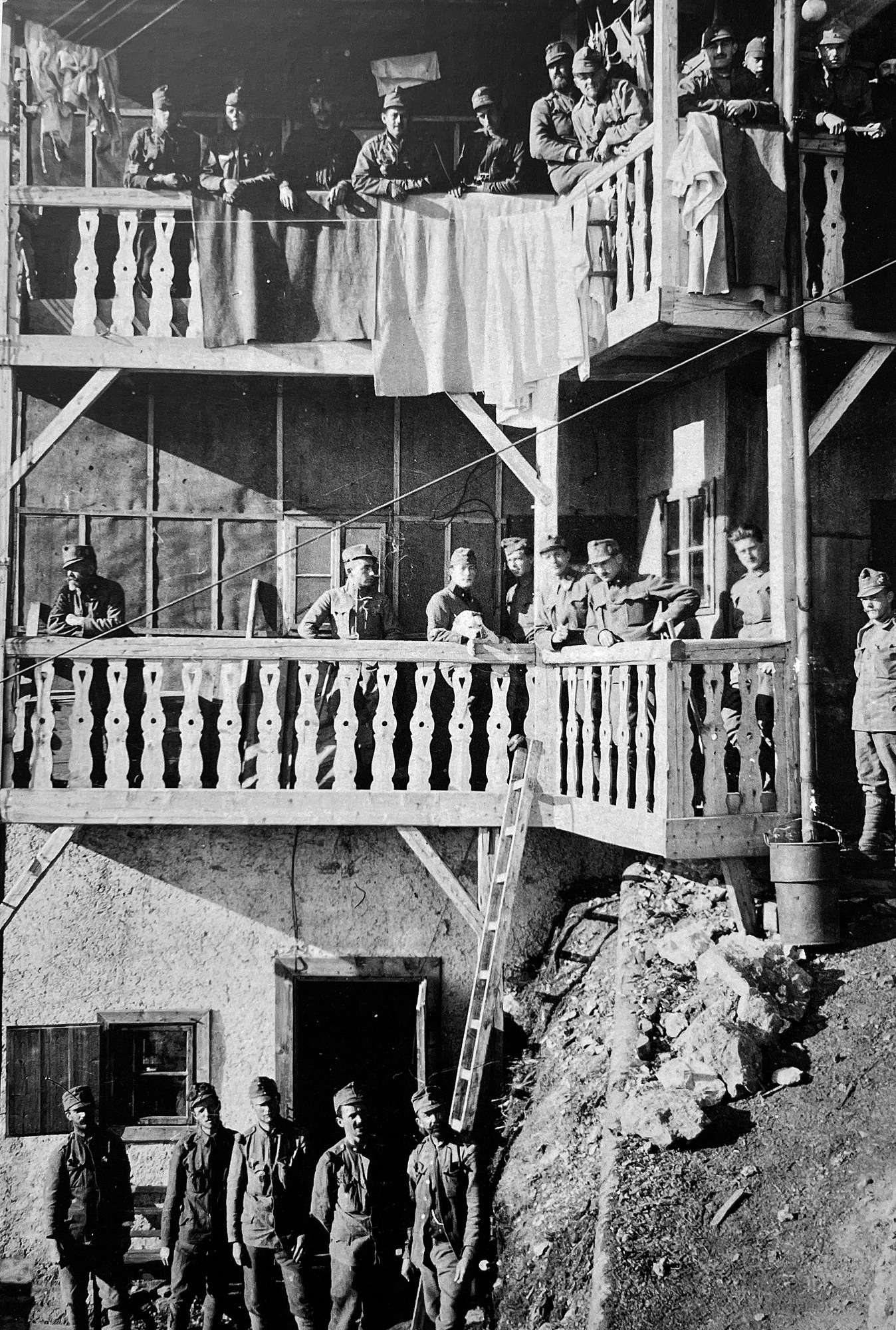
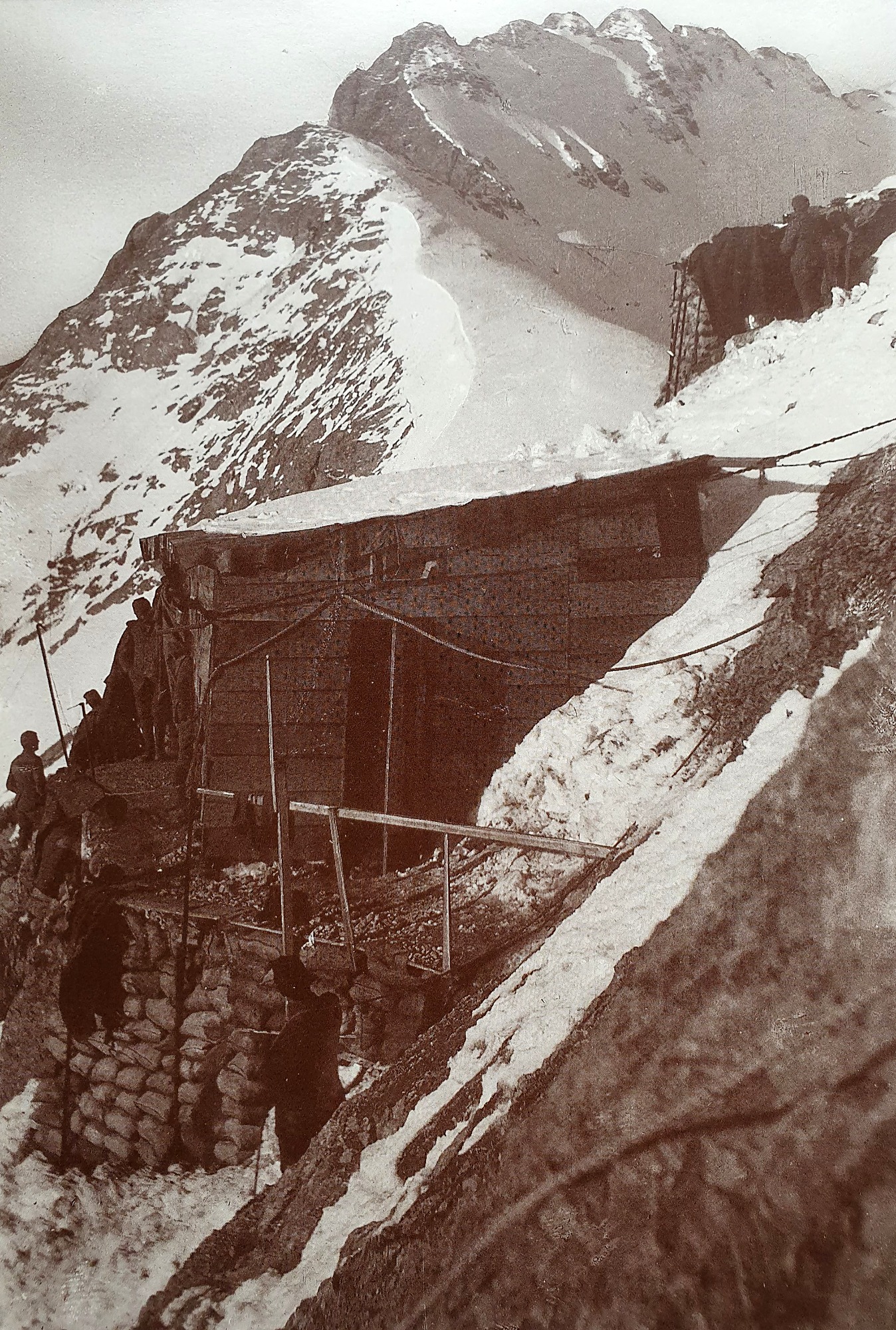
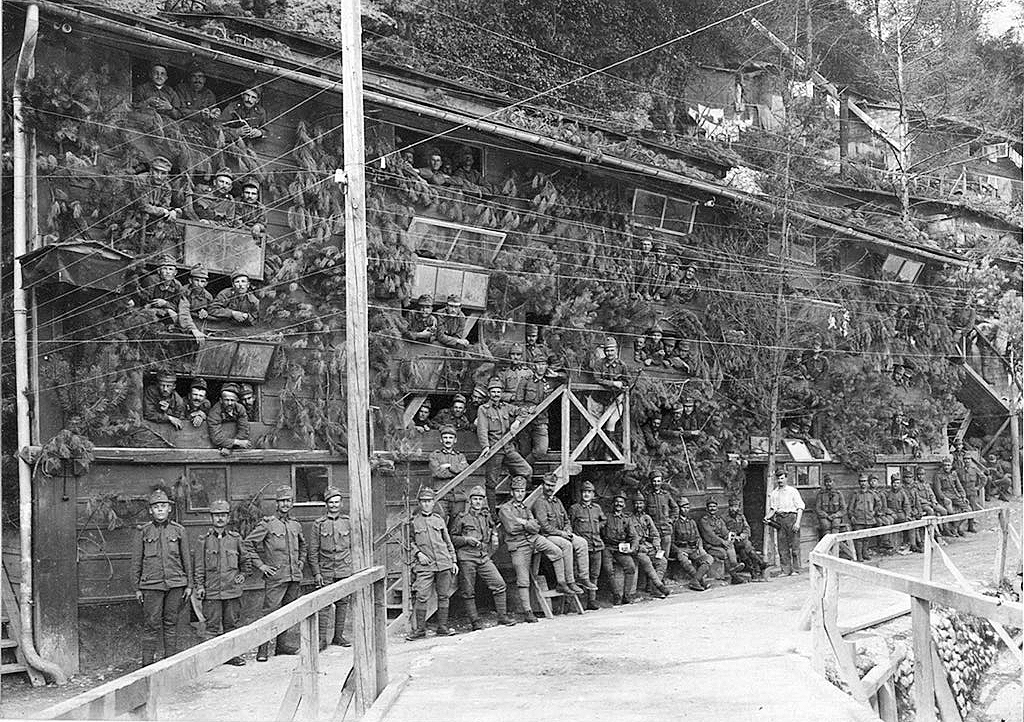
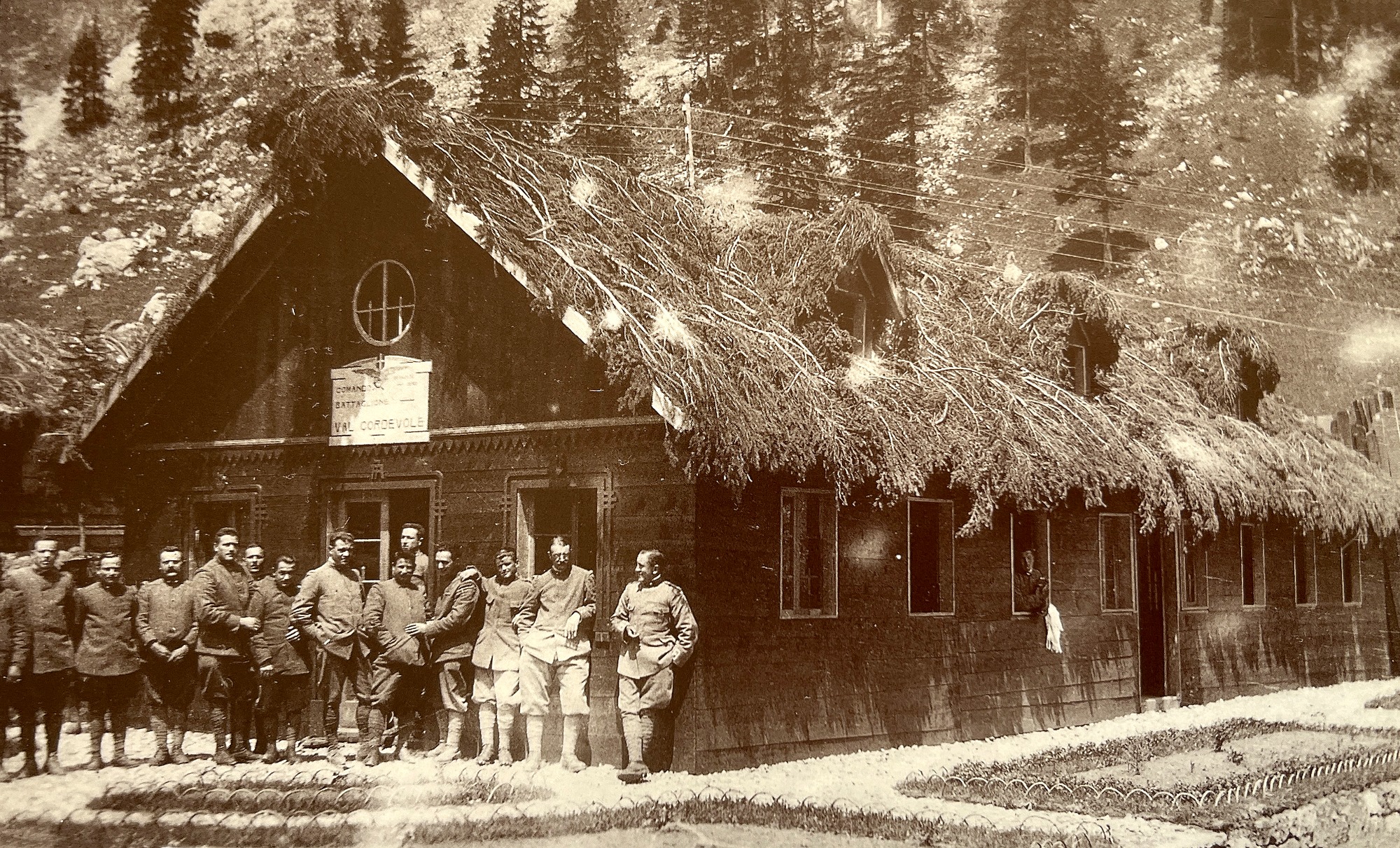
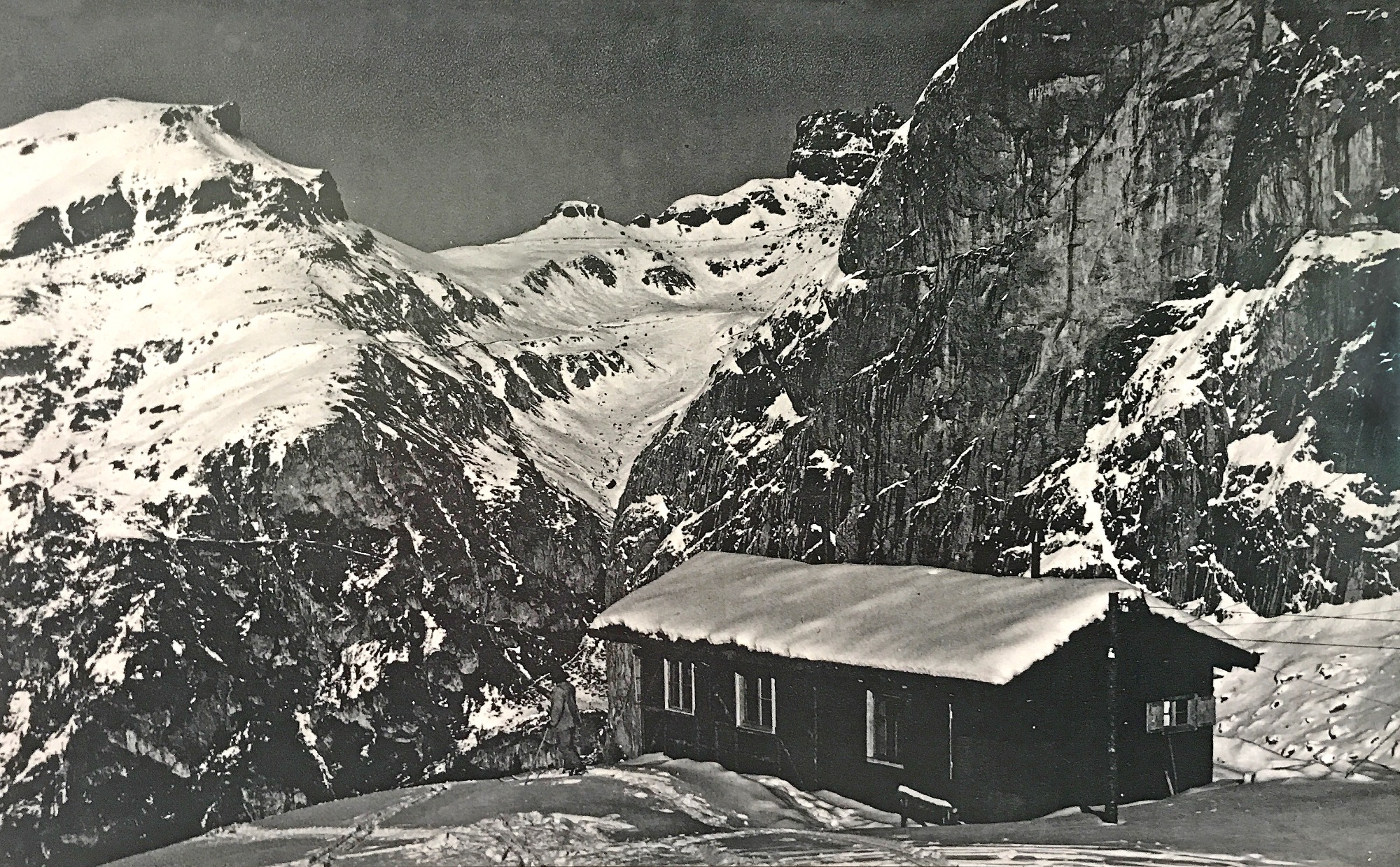
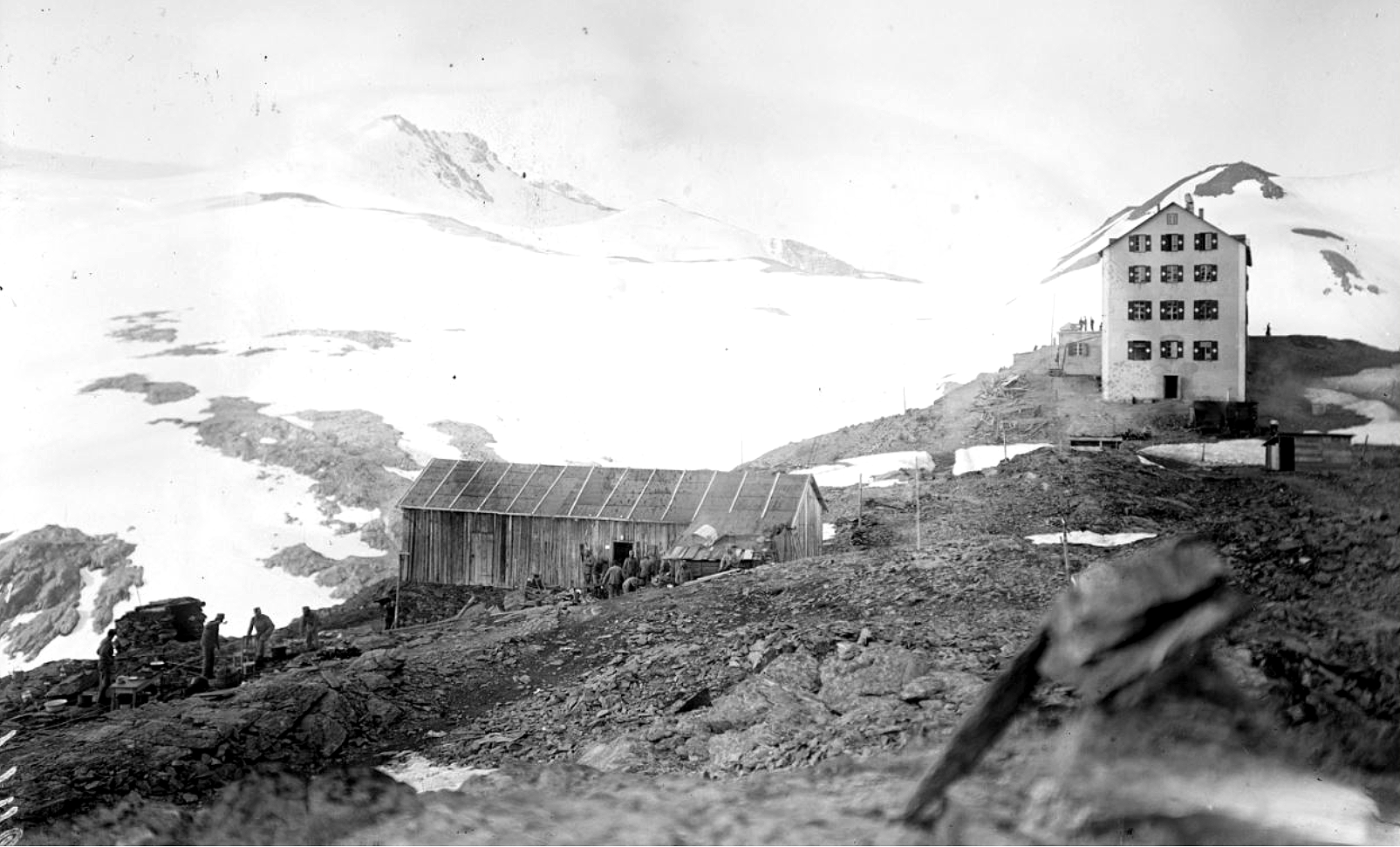
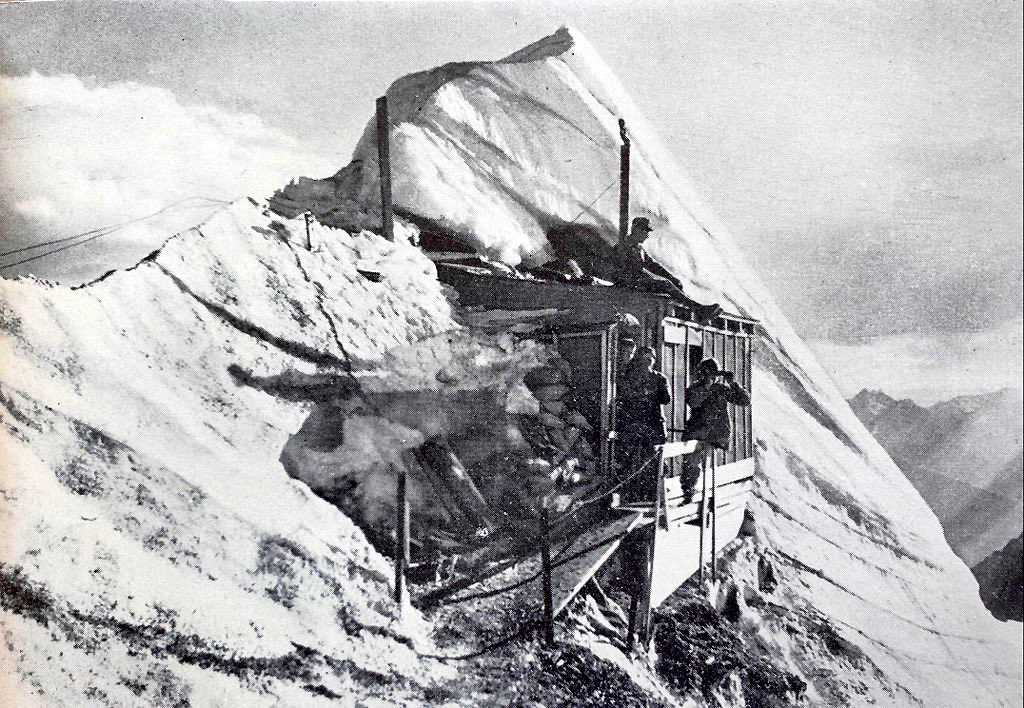
Great War Huts
With apologies to the excellent Great War Huts group for appropriating their name.
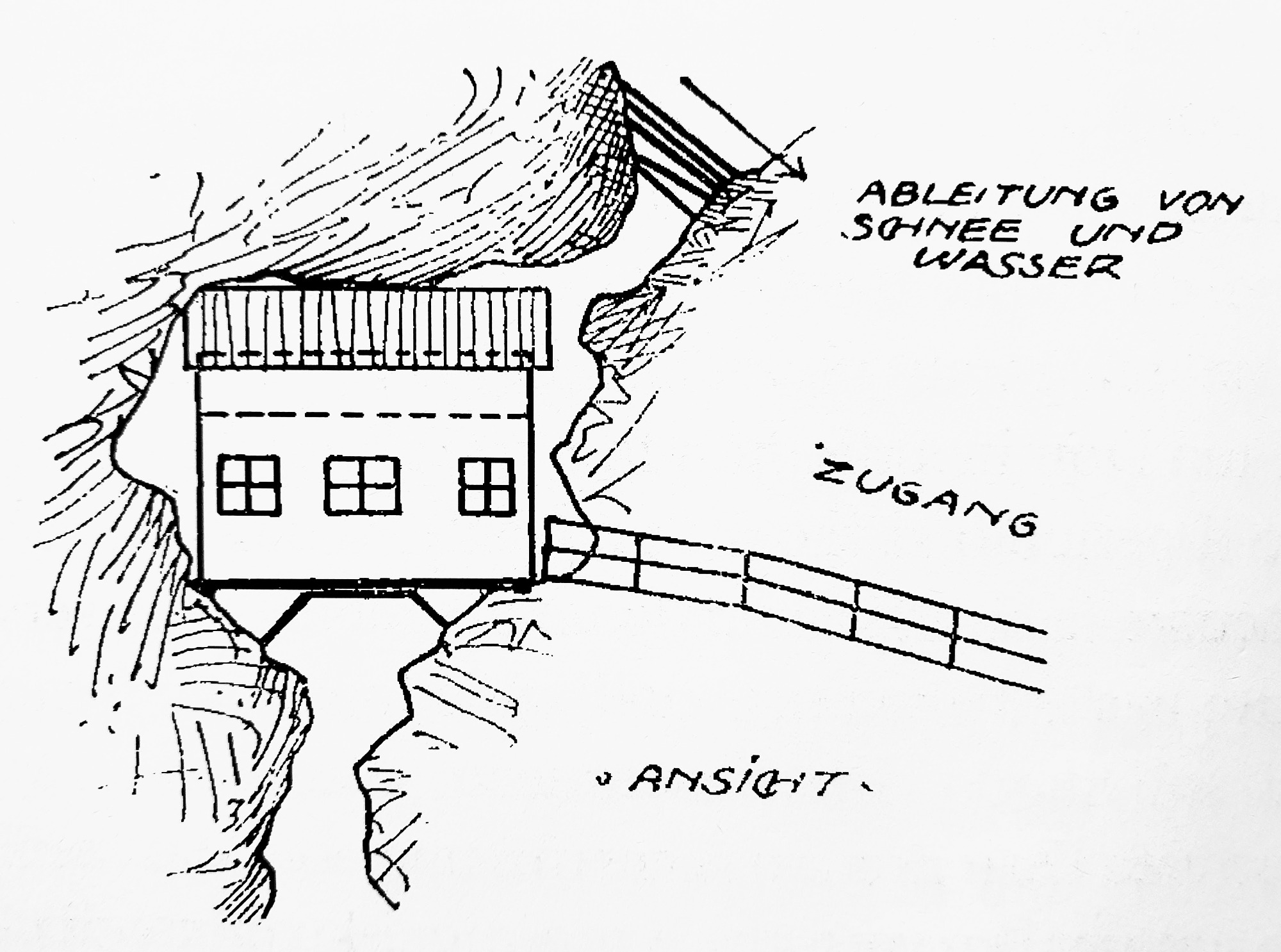
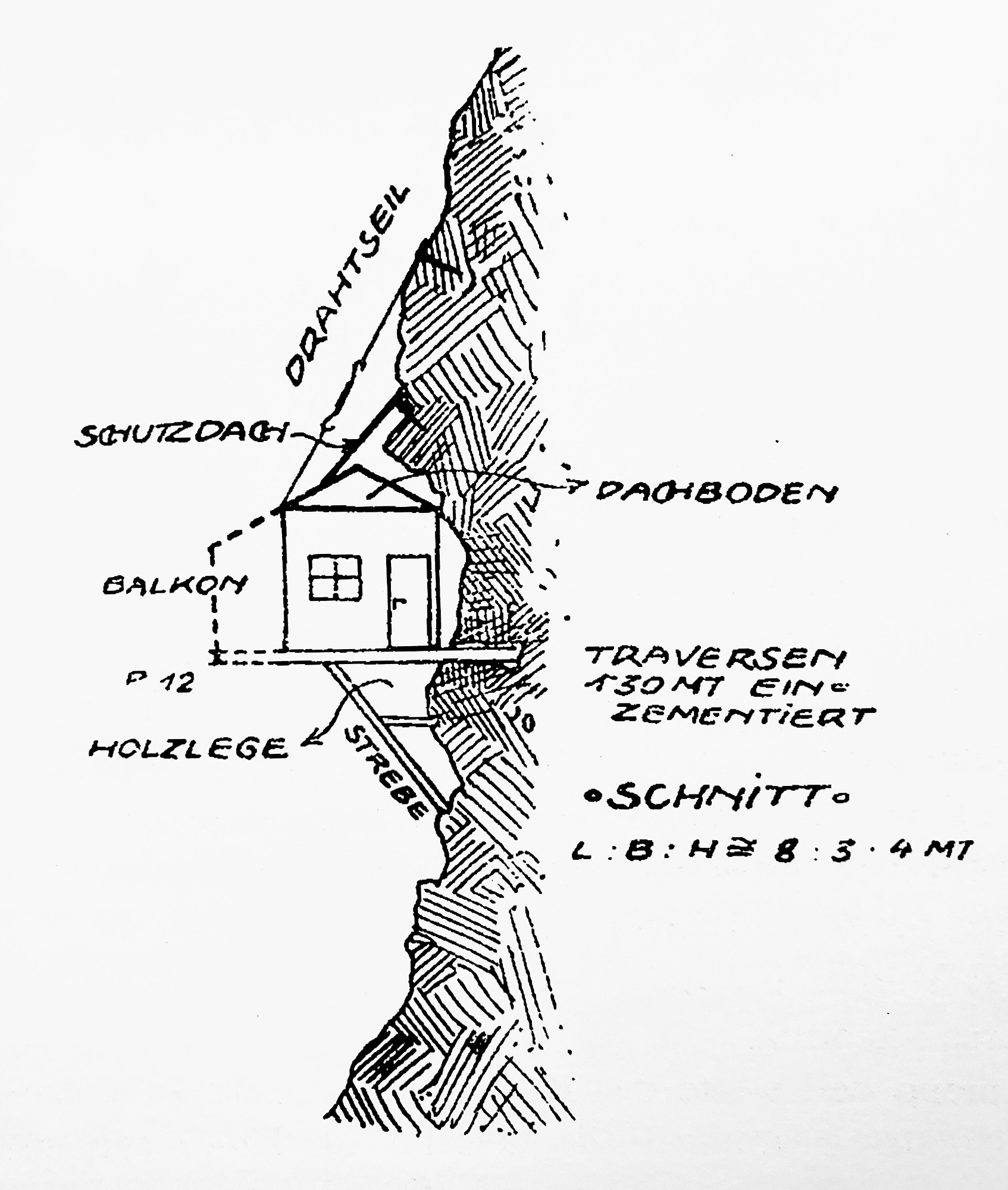
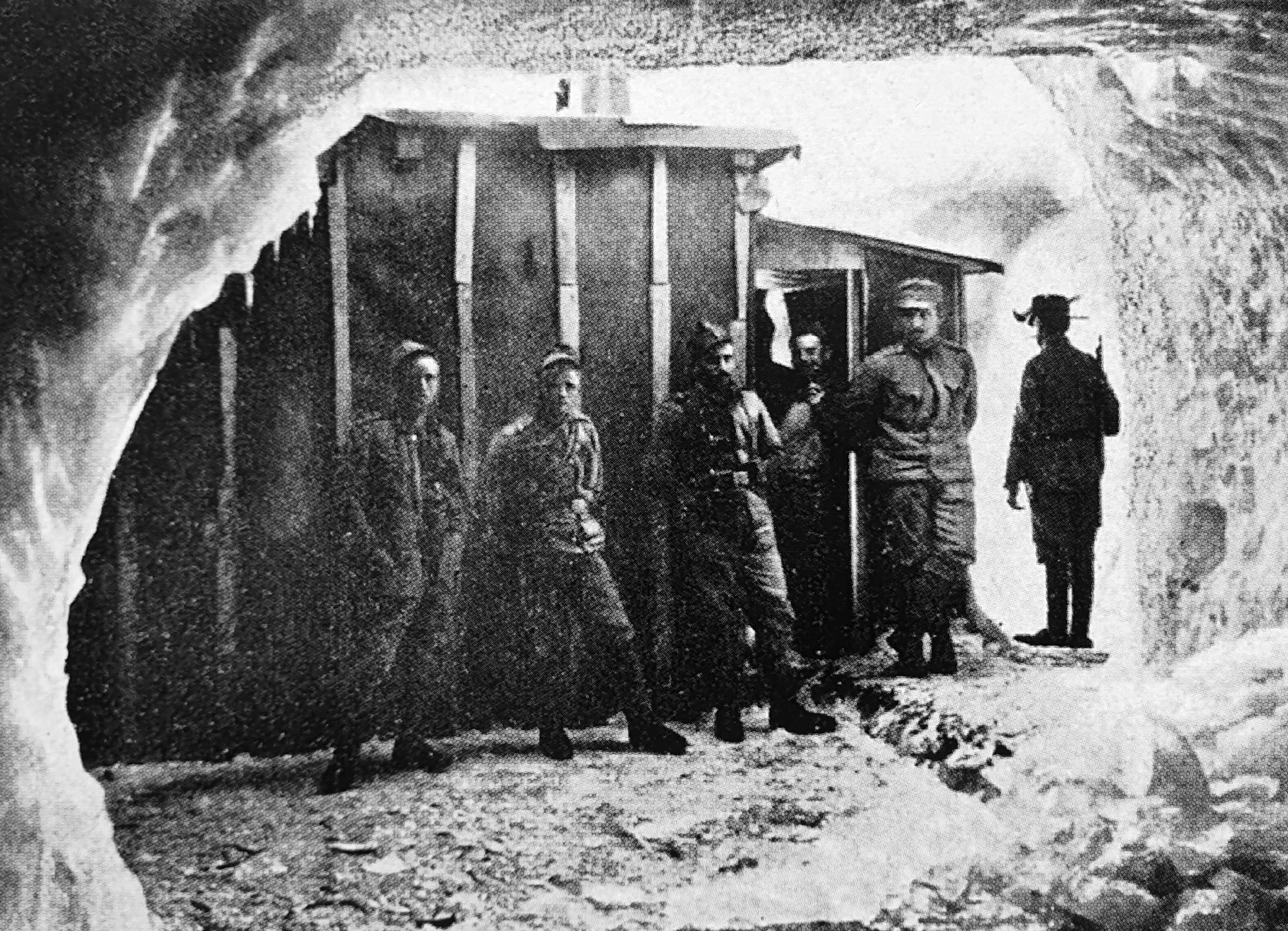
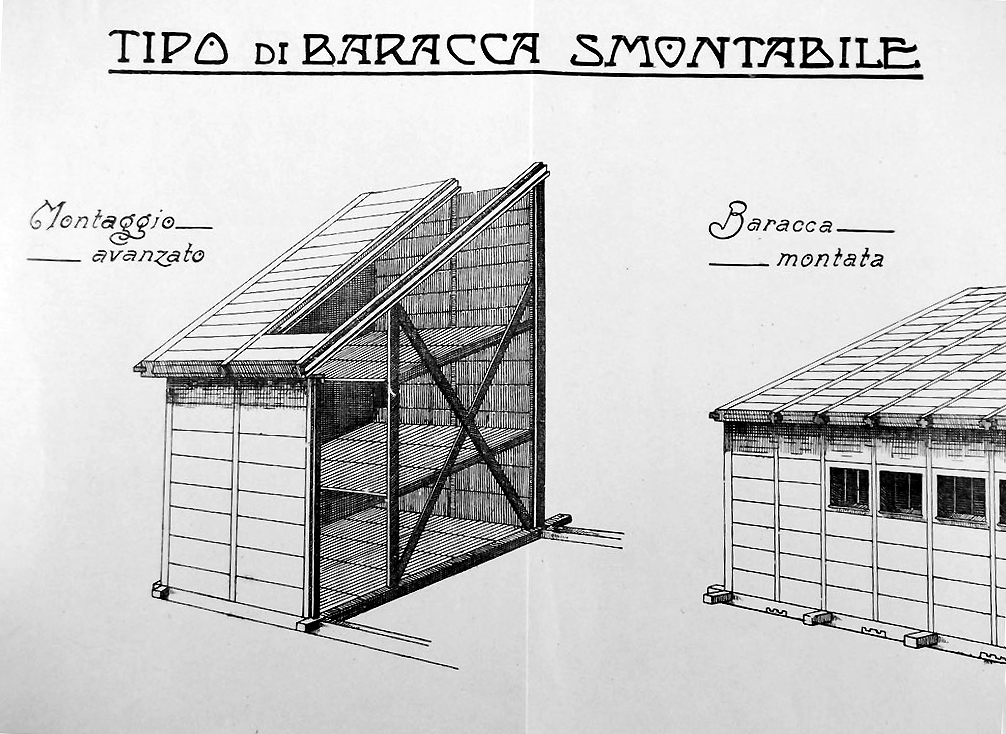
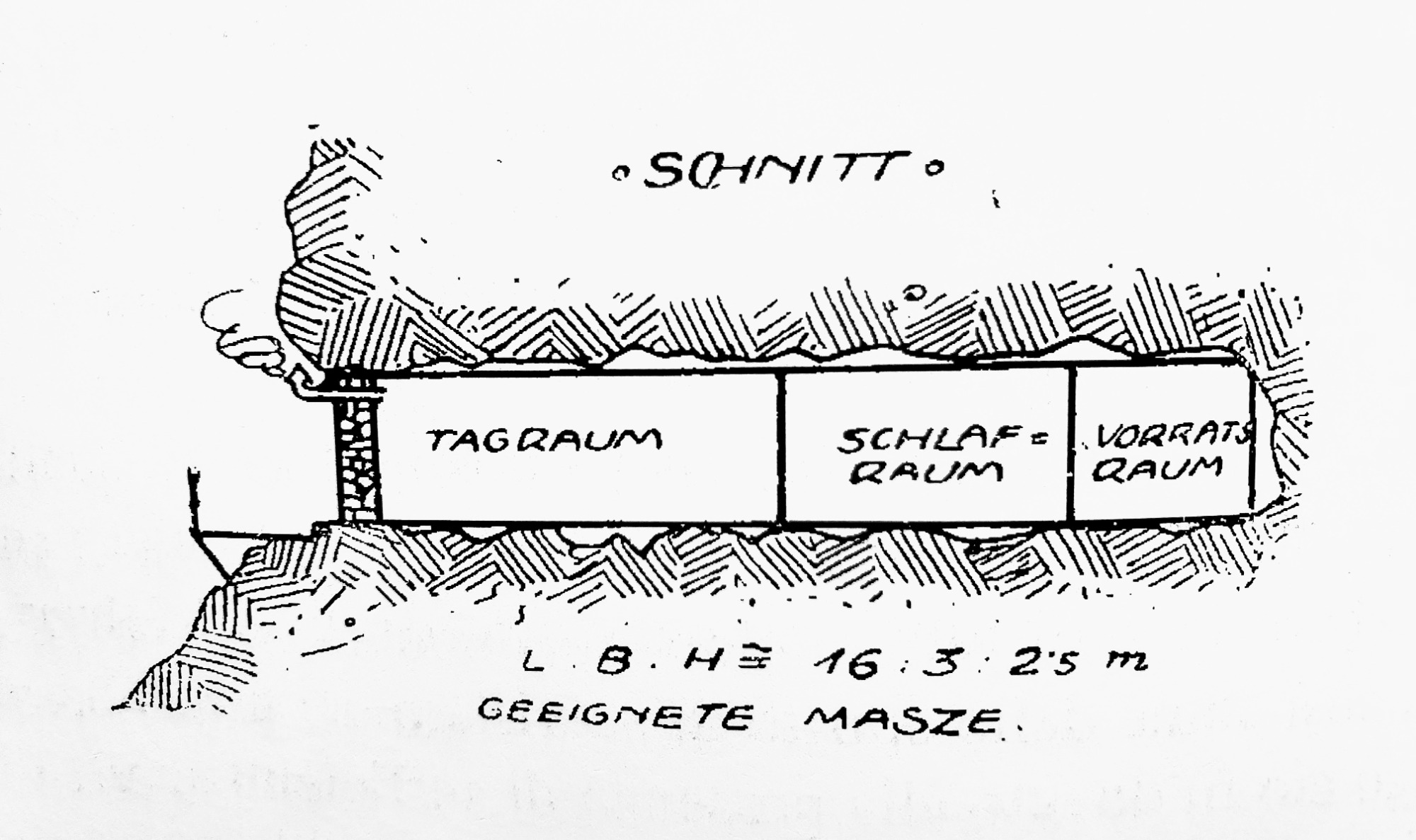
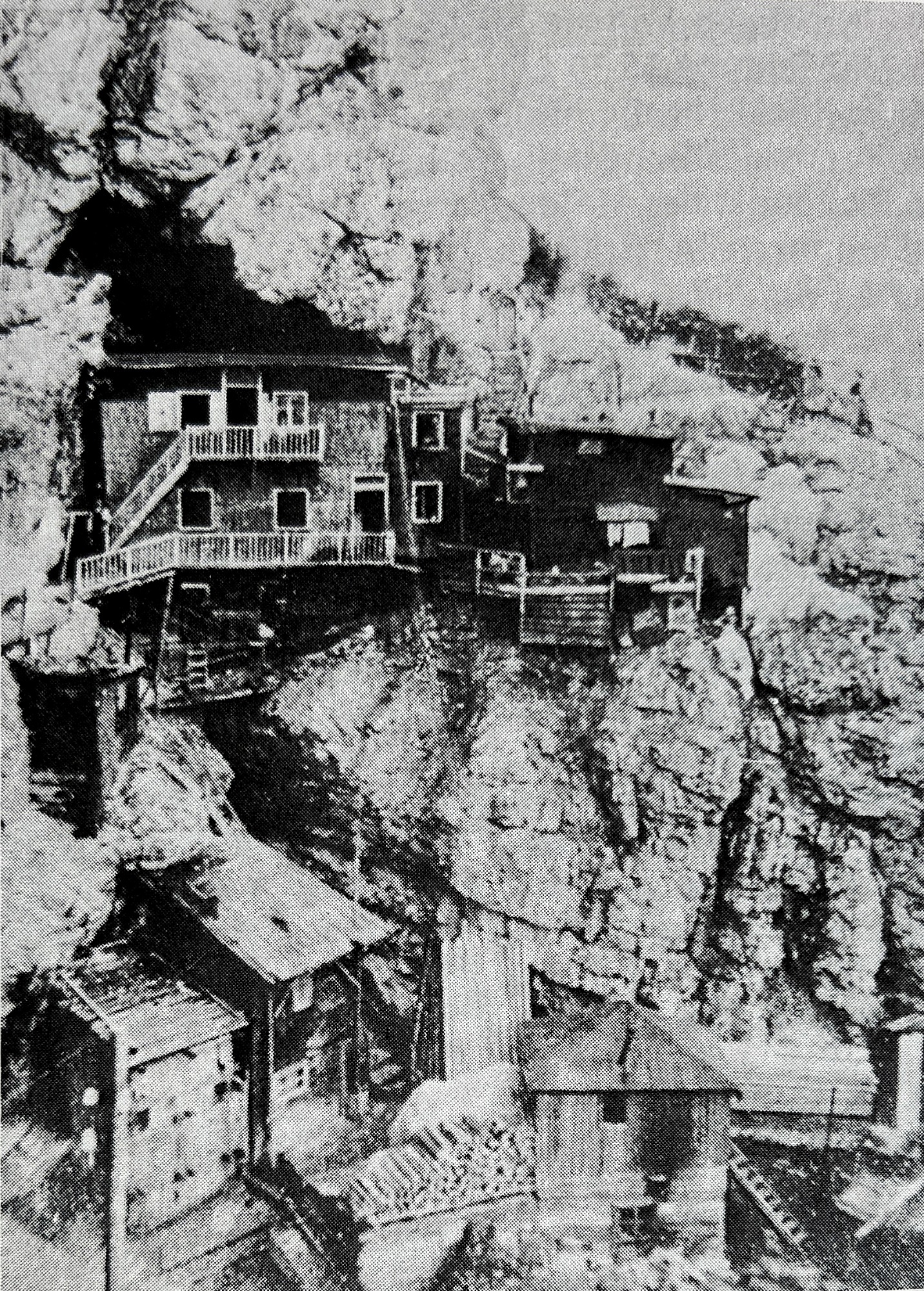
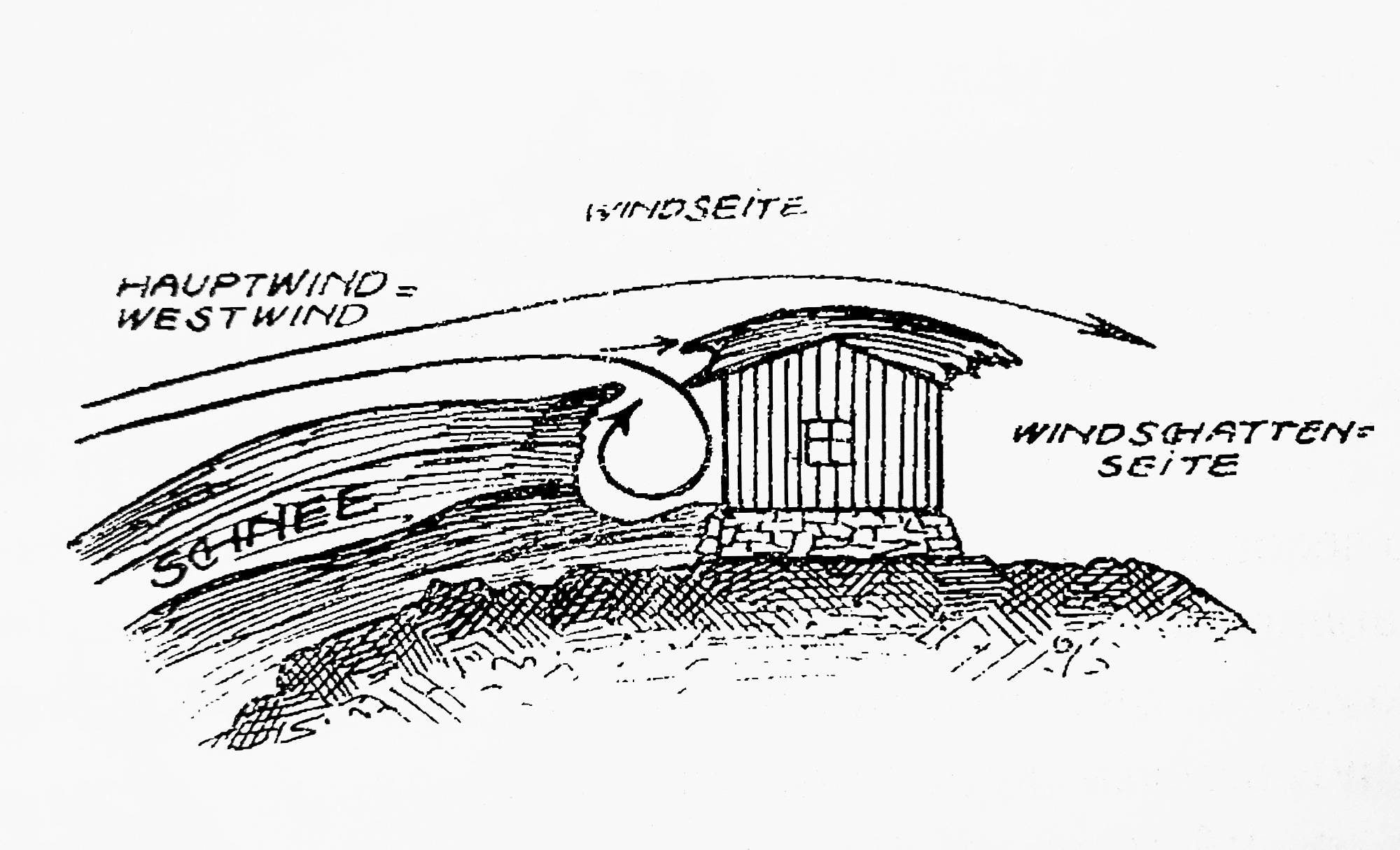
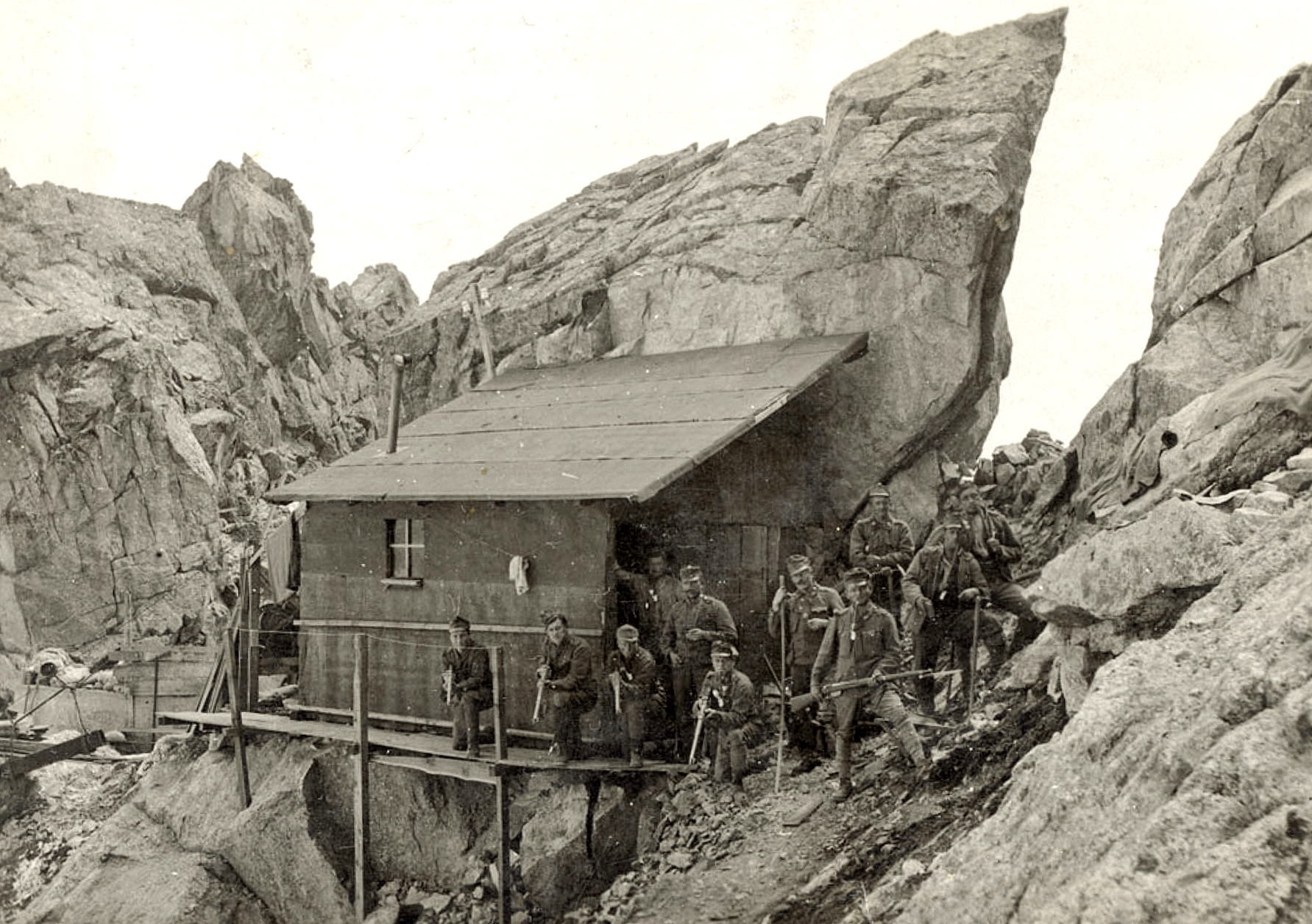
Down Time
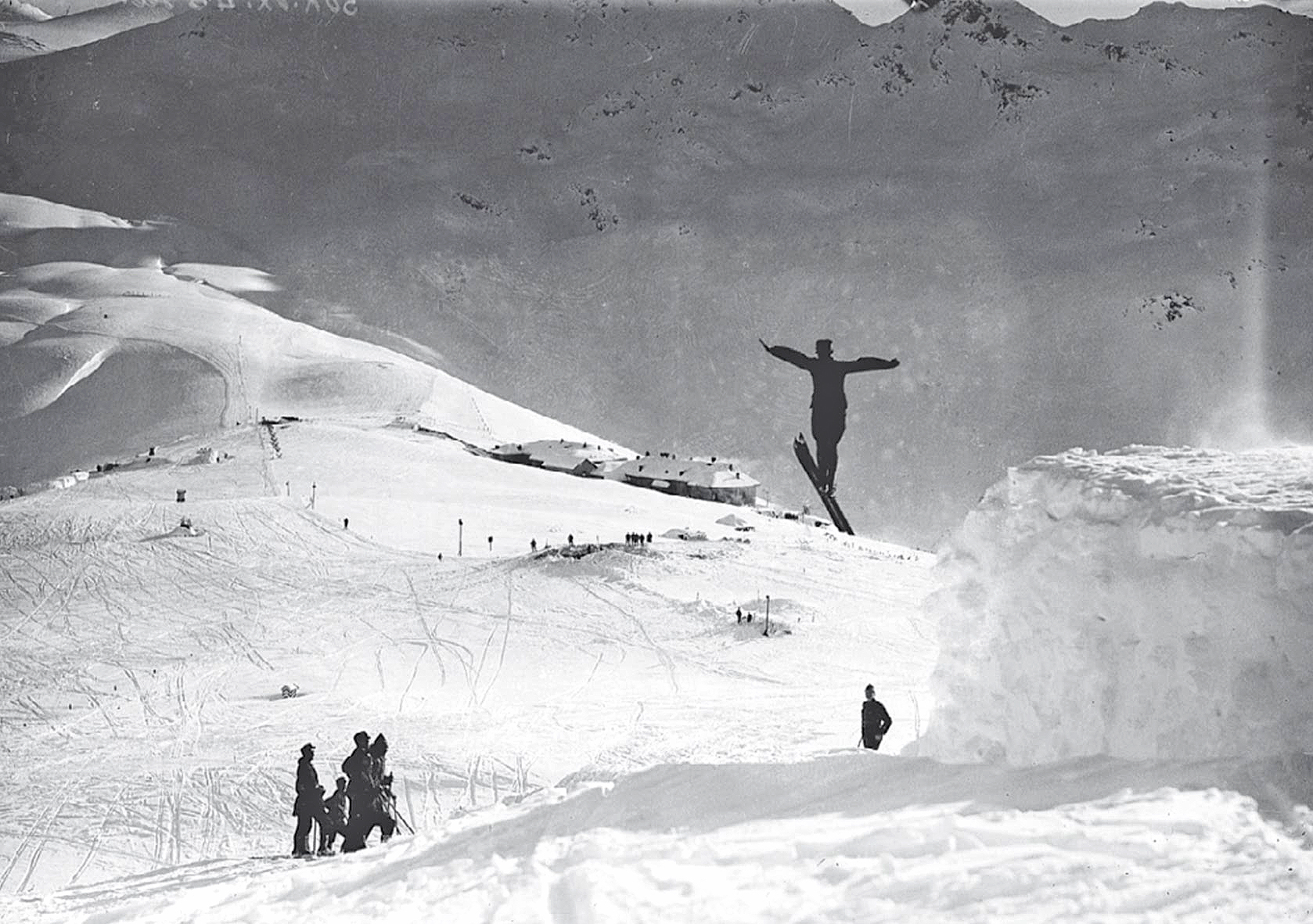
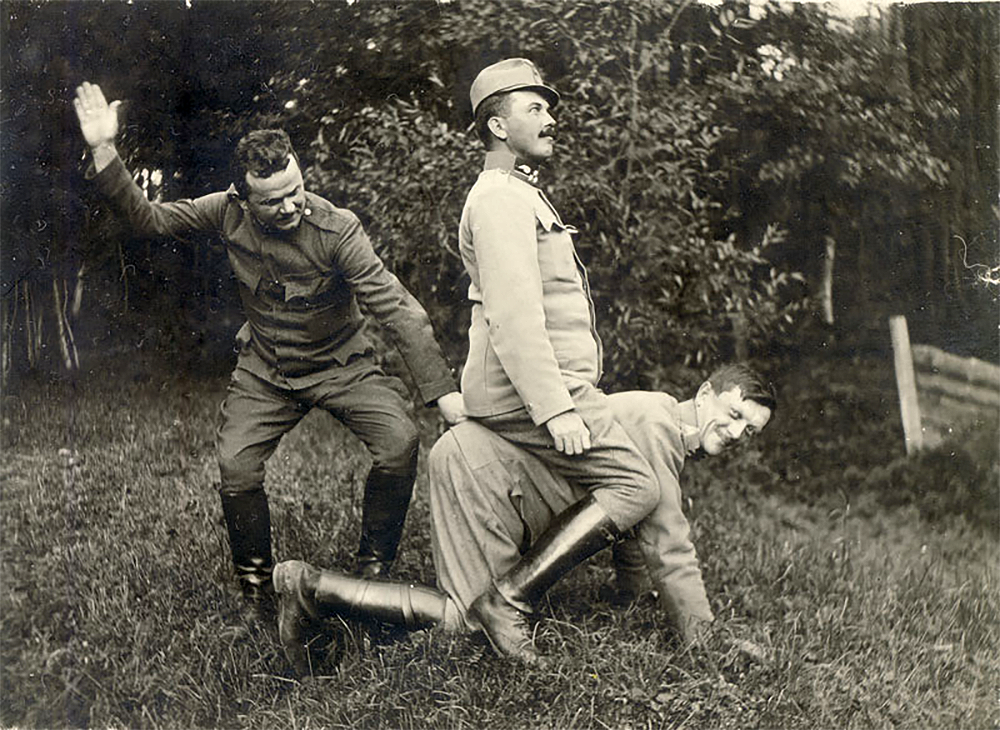
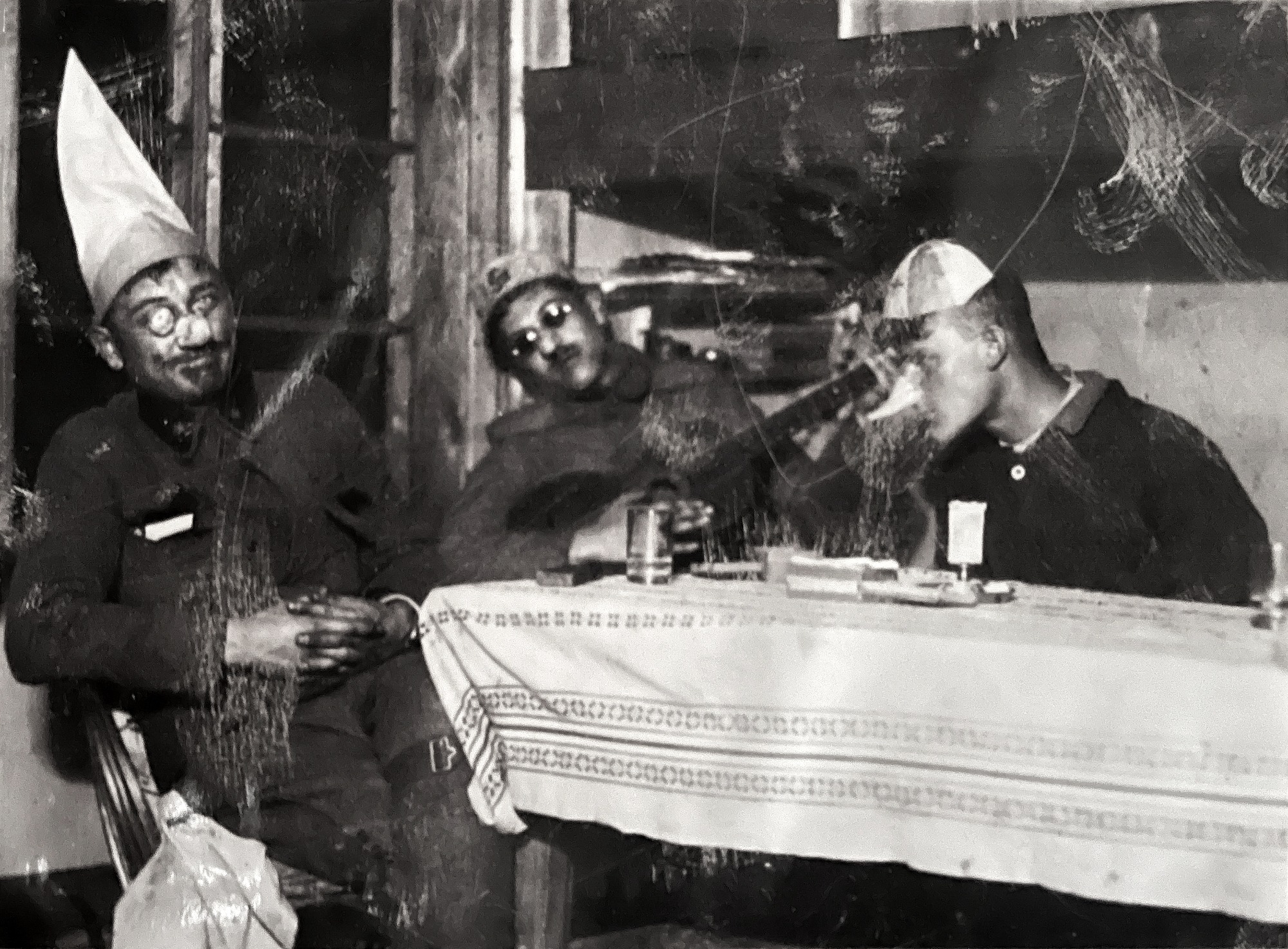
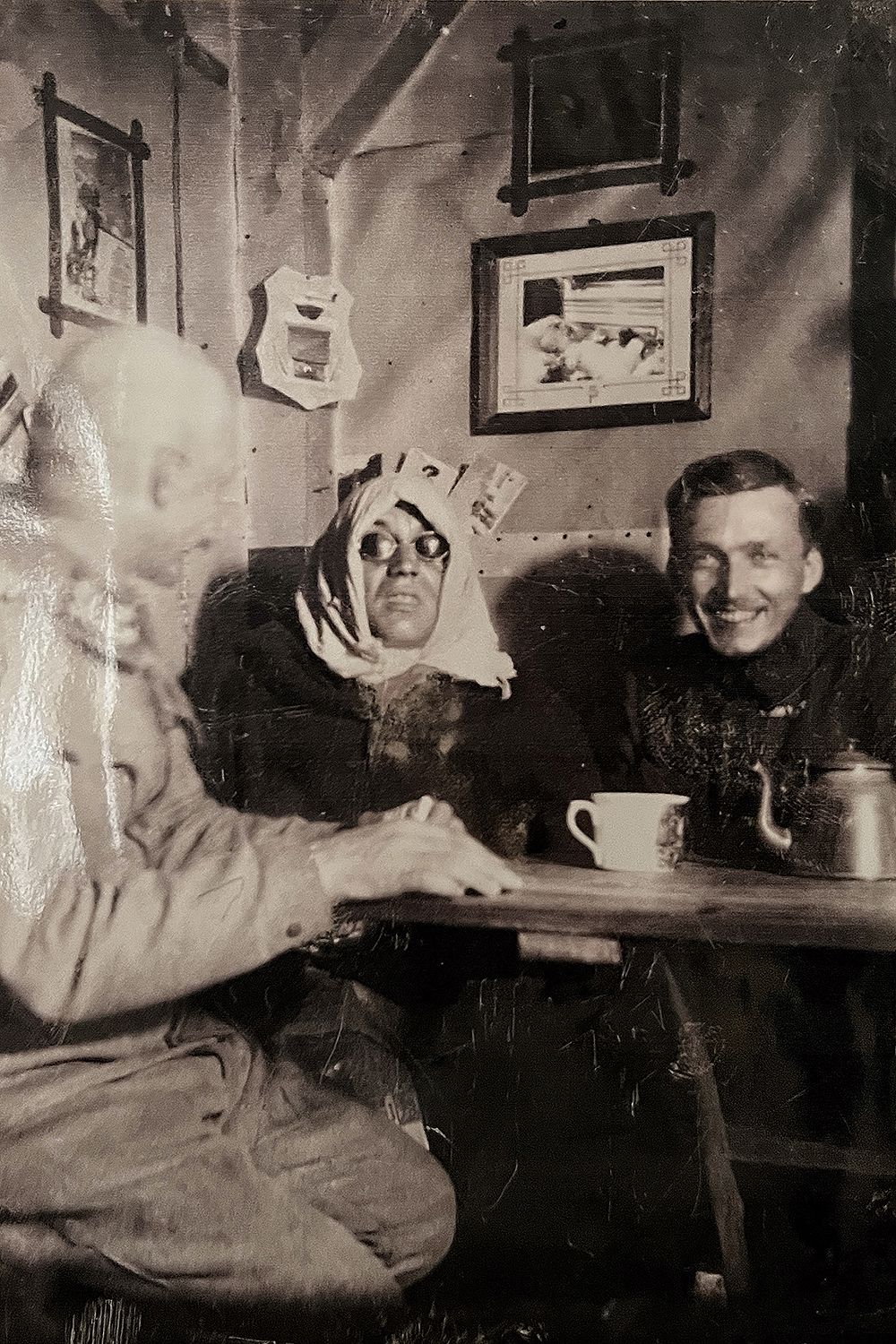
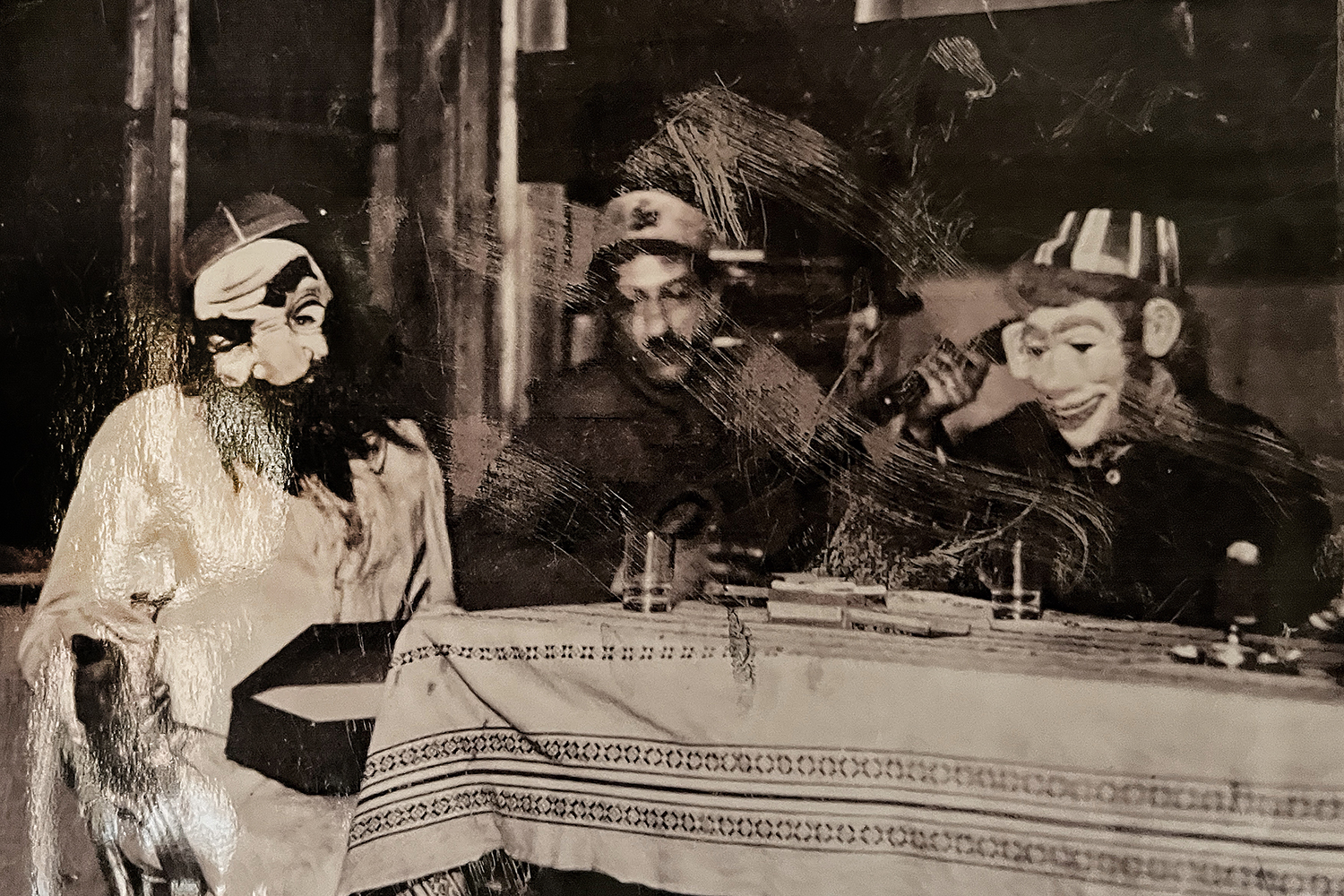
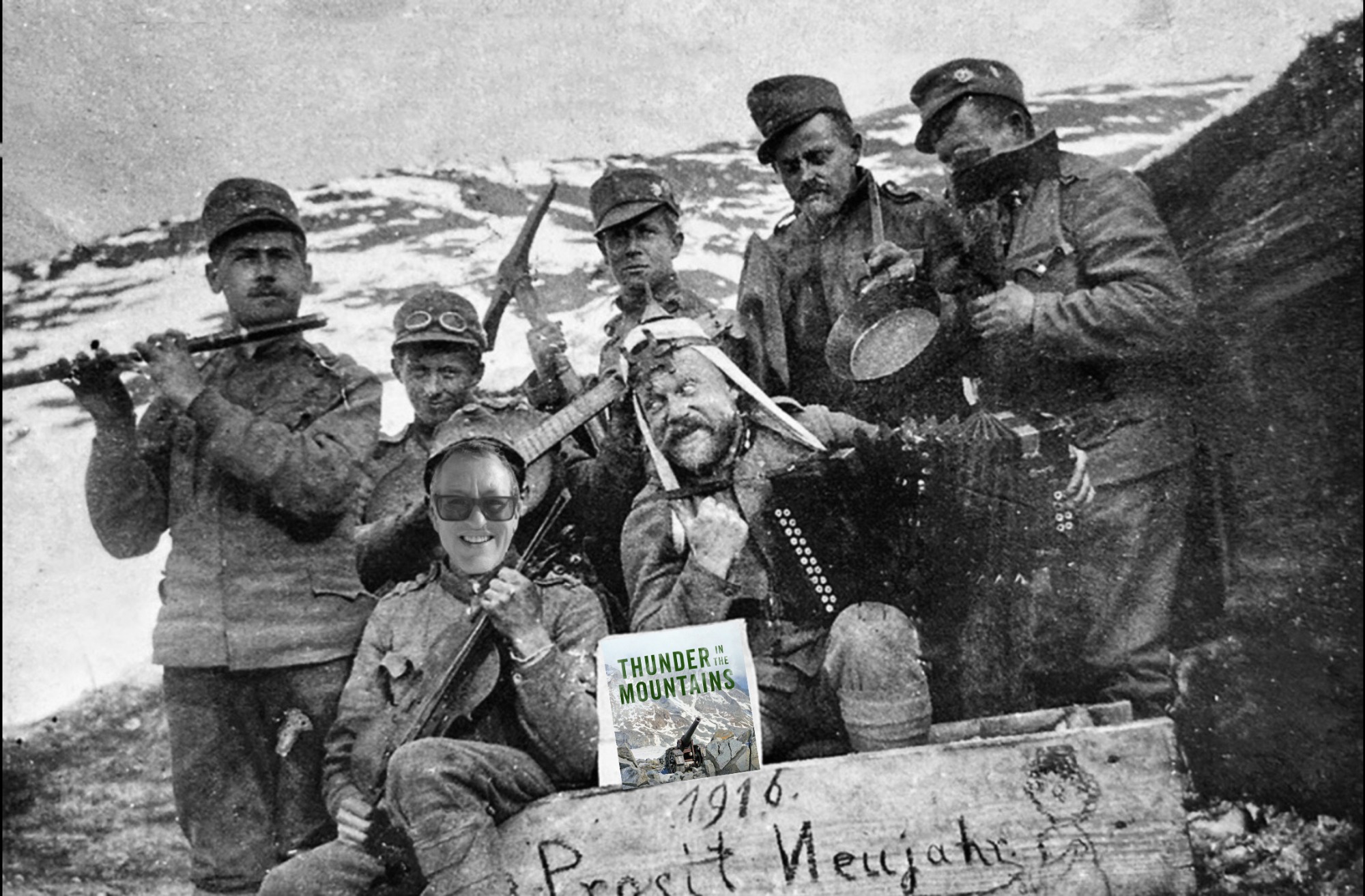
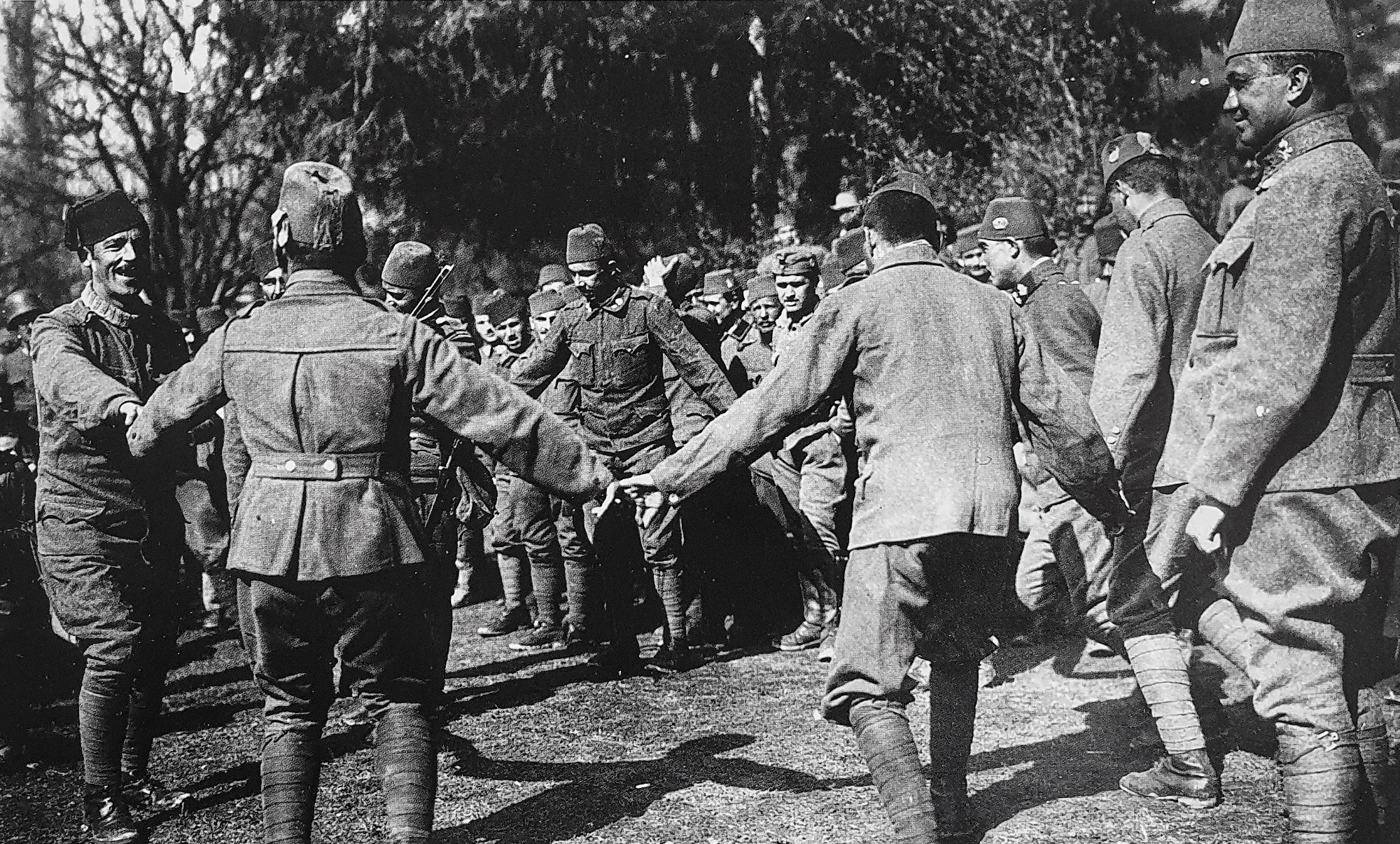
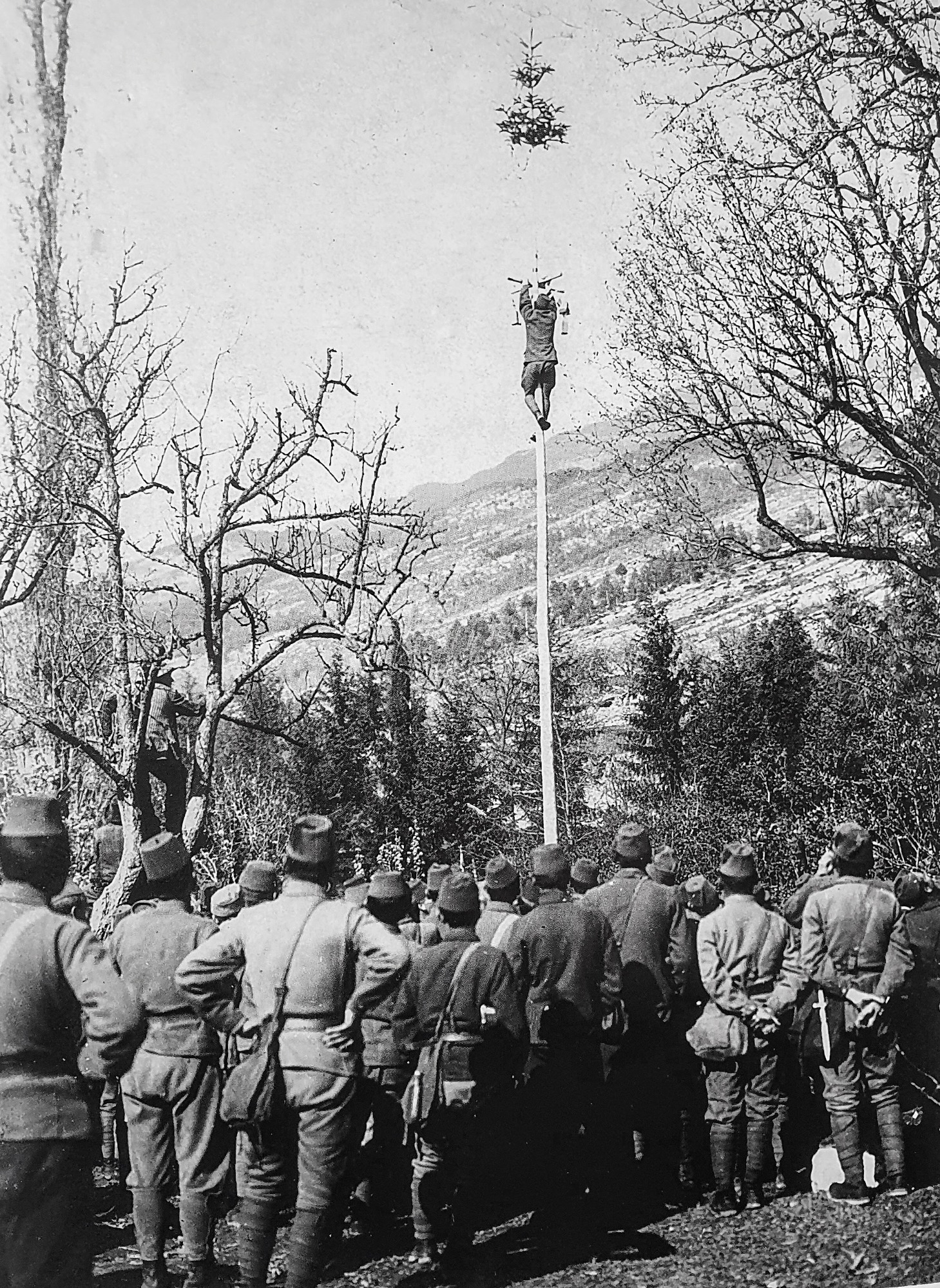
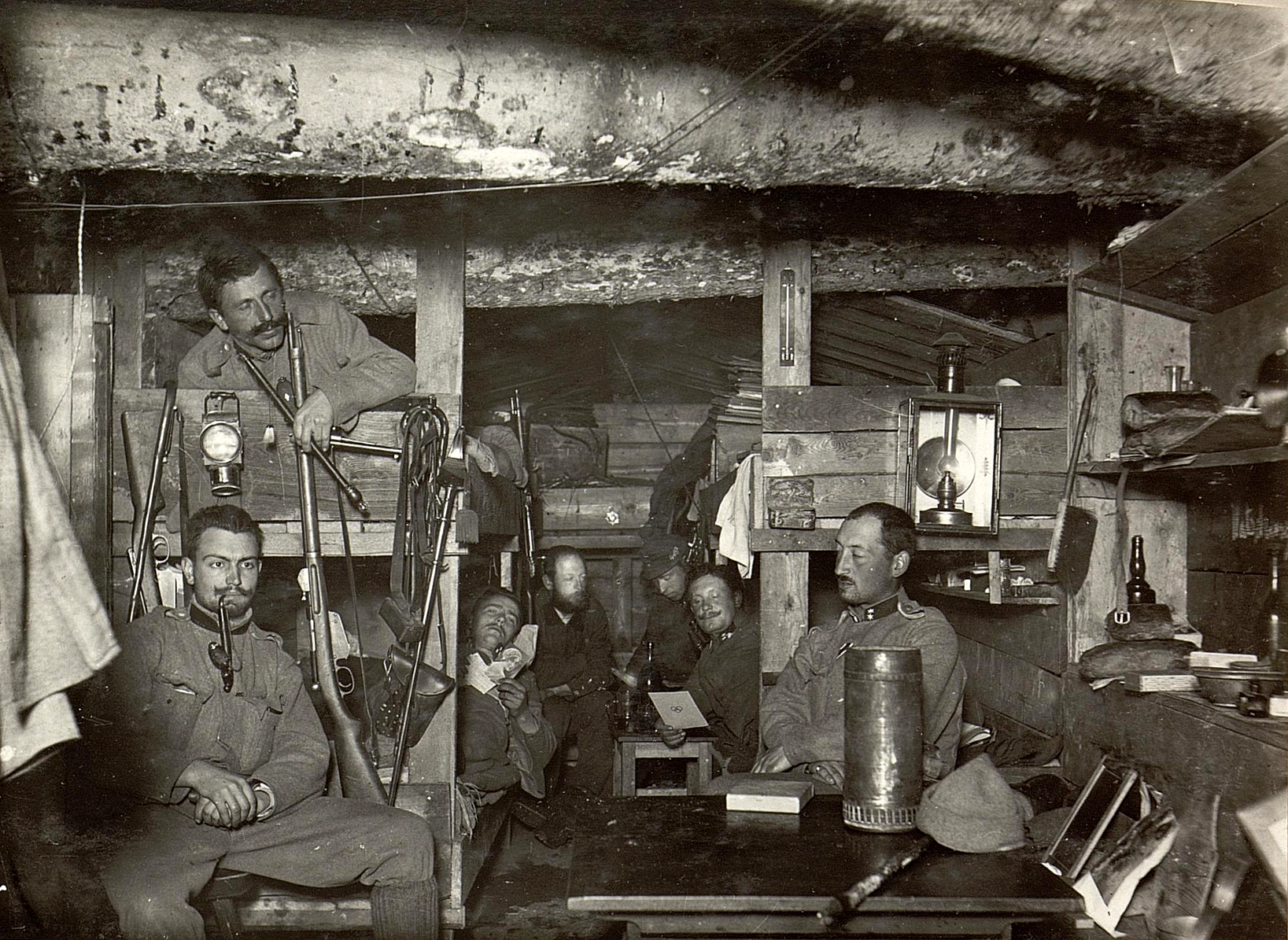
Time-off for soldiers on the Italian Front was a very hit-and-miss affair. Unlike on the Western Front, where troops were rotated out of the front lines after four or five days, troops in Italy were often kept on the front line for weeks and sometimes months on end.
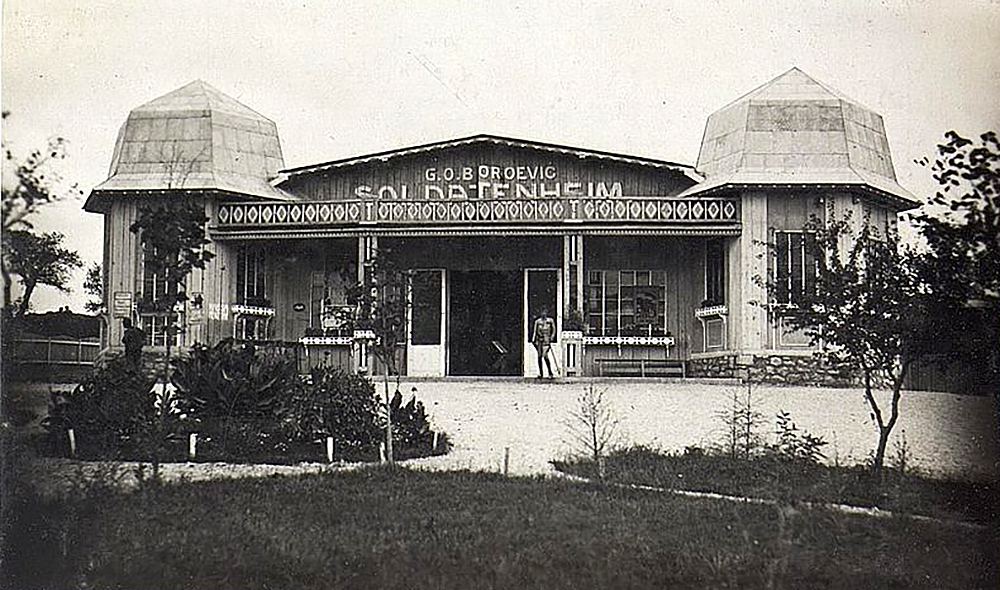
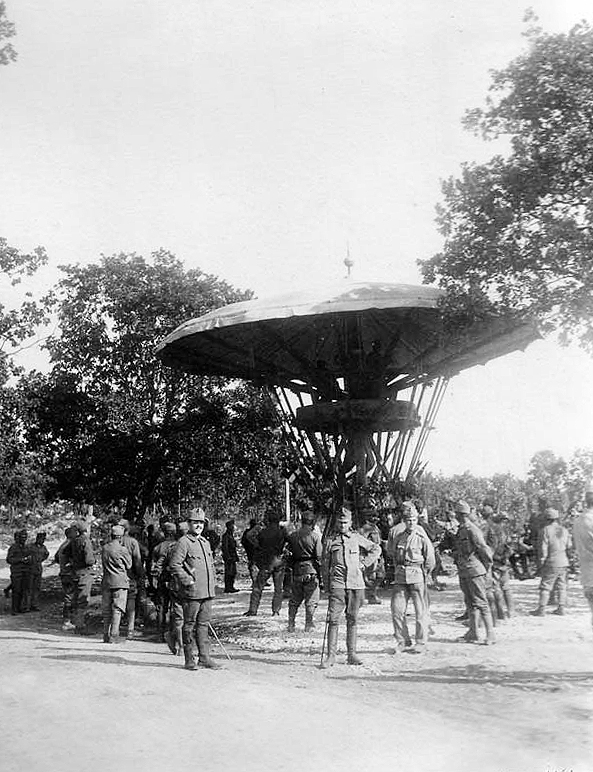
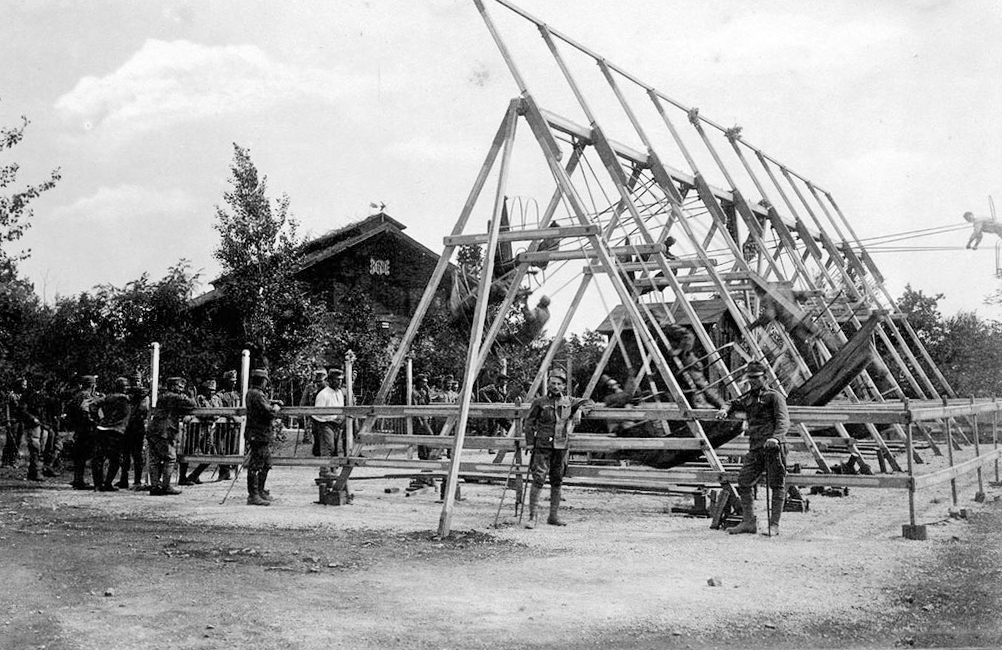
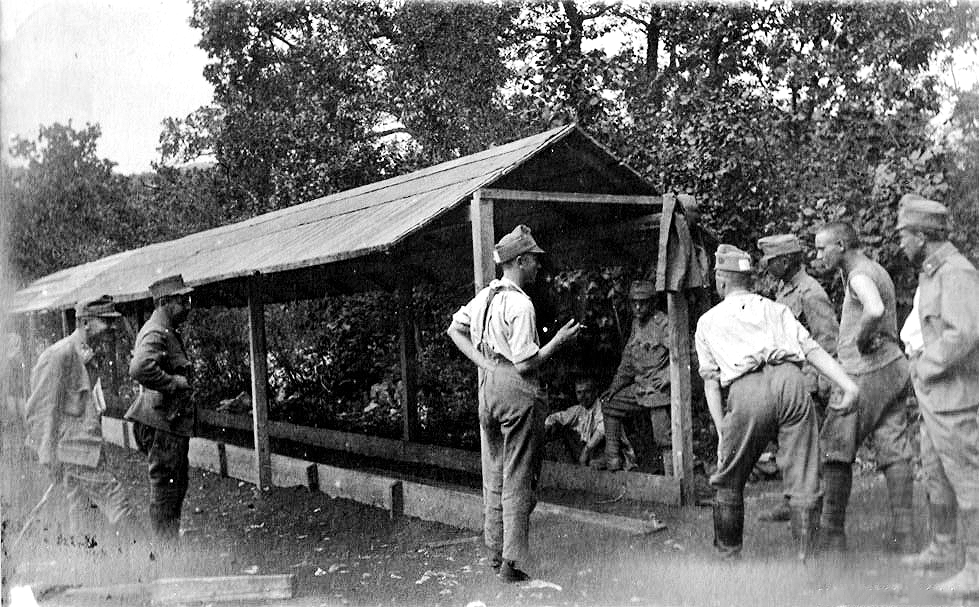
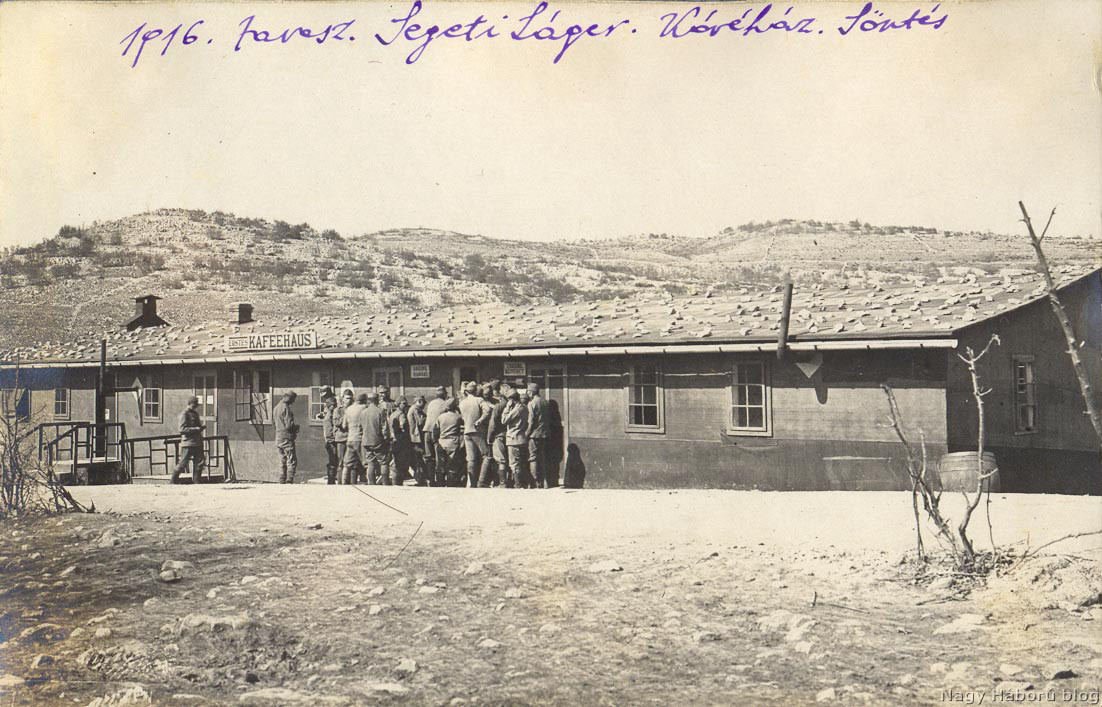
Unlike the Italian army, the Austro-Hungarians treated their men reasonably well once they were out of the line, and had facilities in the rear areas for R&R. On the Carso the Austrians built military villages, one of which (at Segeti) was equipped with a cinema, bowling alley, coffee shop, and fairground rides (including a carousel that was powered by POWs!).
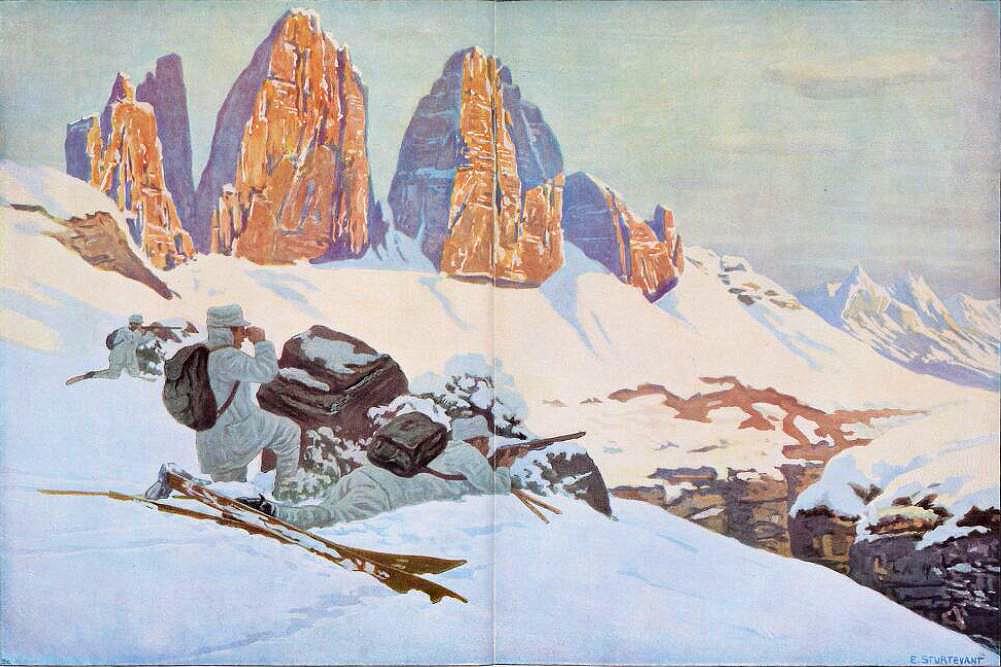
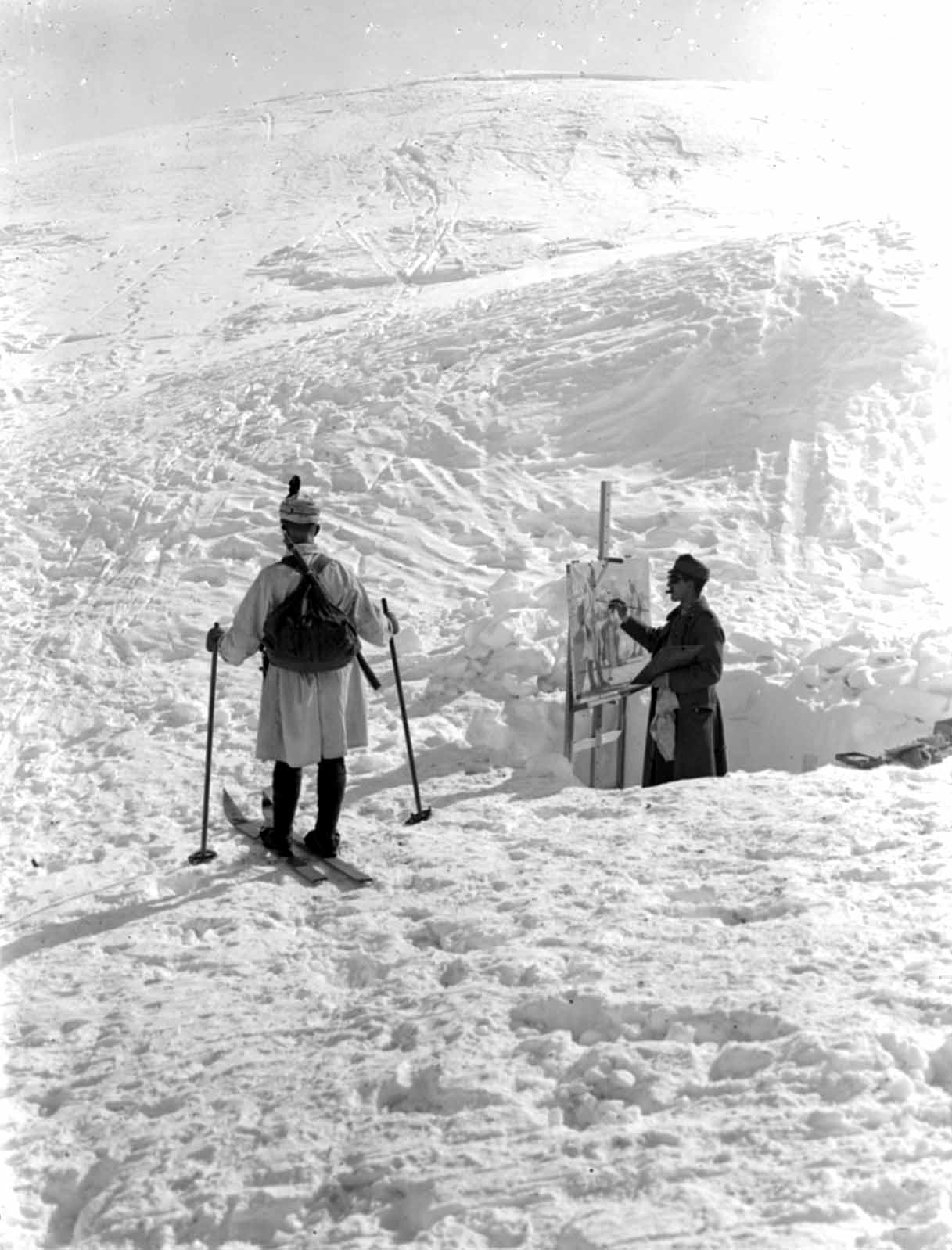
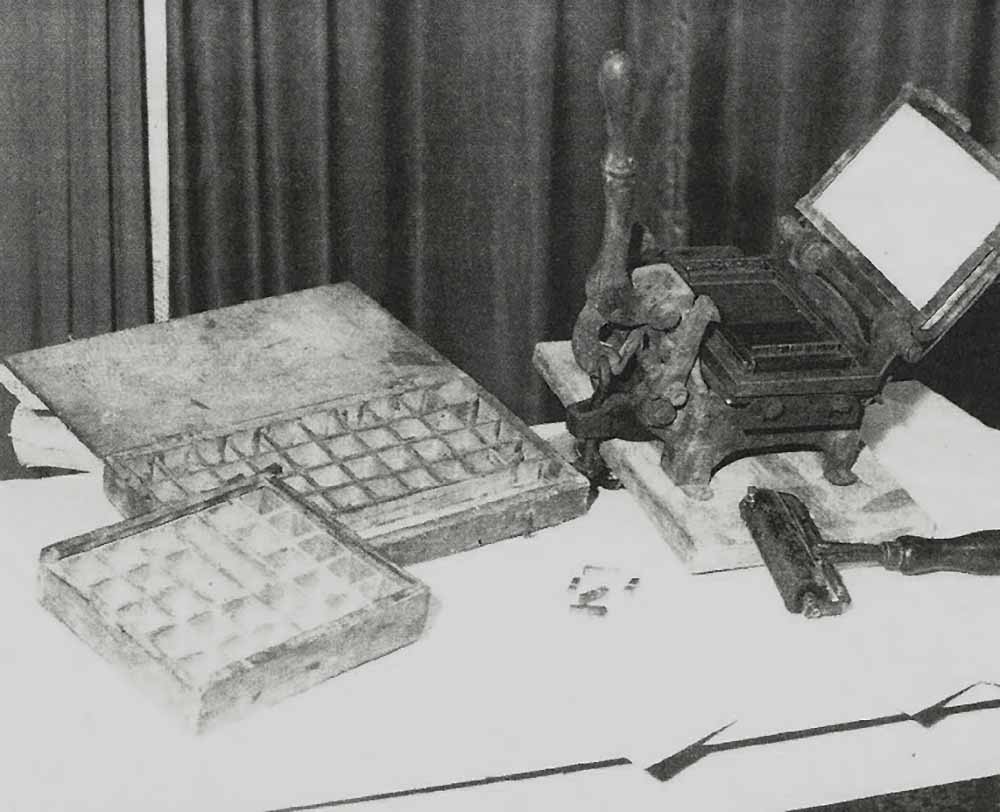
Skiing, ski-jumping, football, music, card/board games, painting/sketching, reading, and writing letters home, were all popular pastimes.
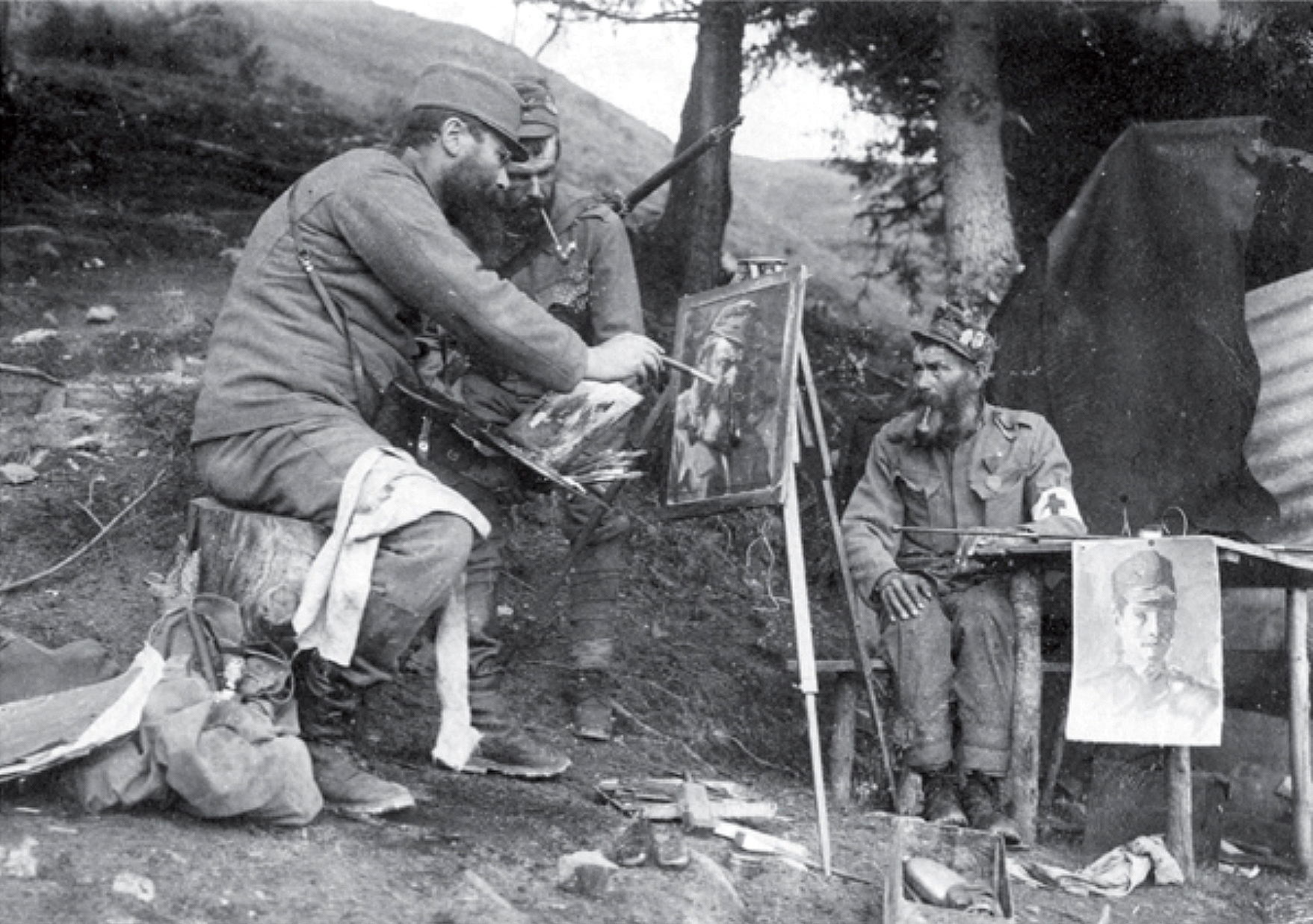
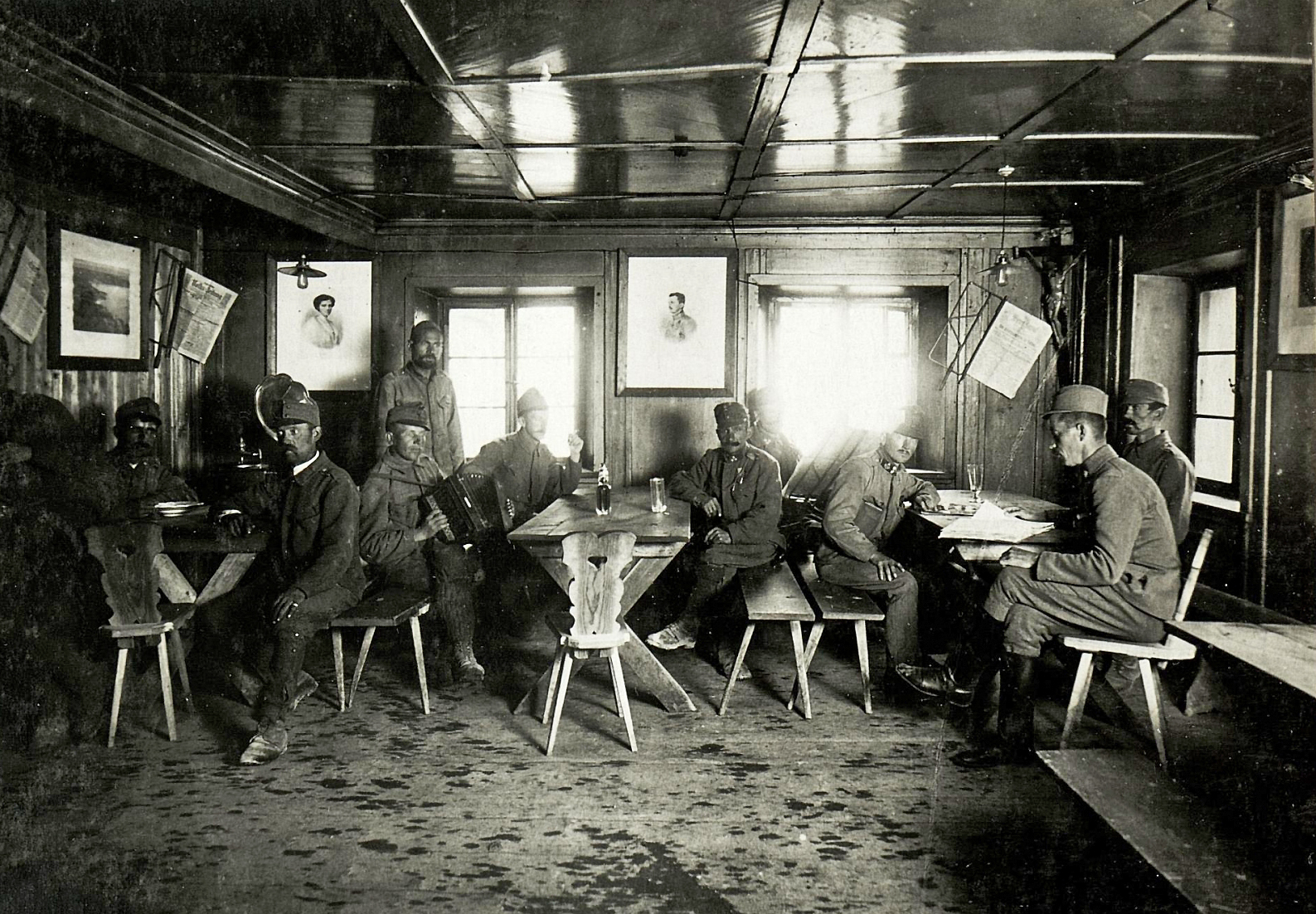
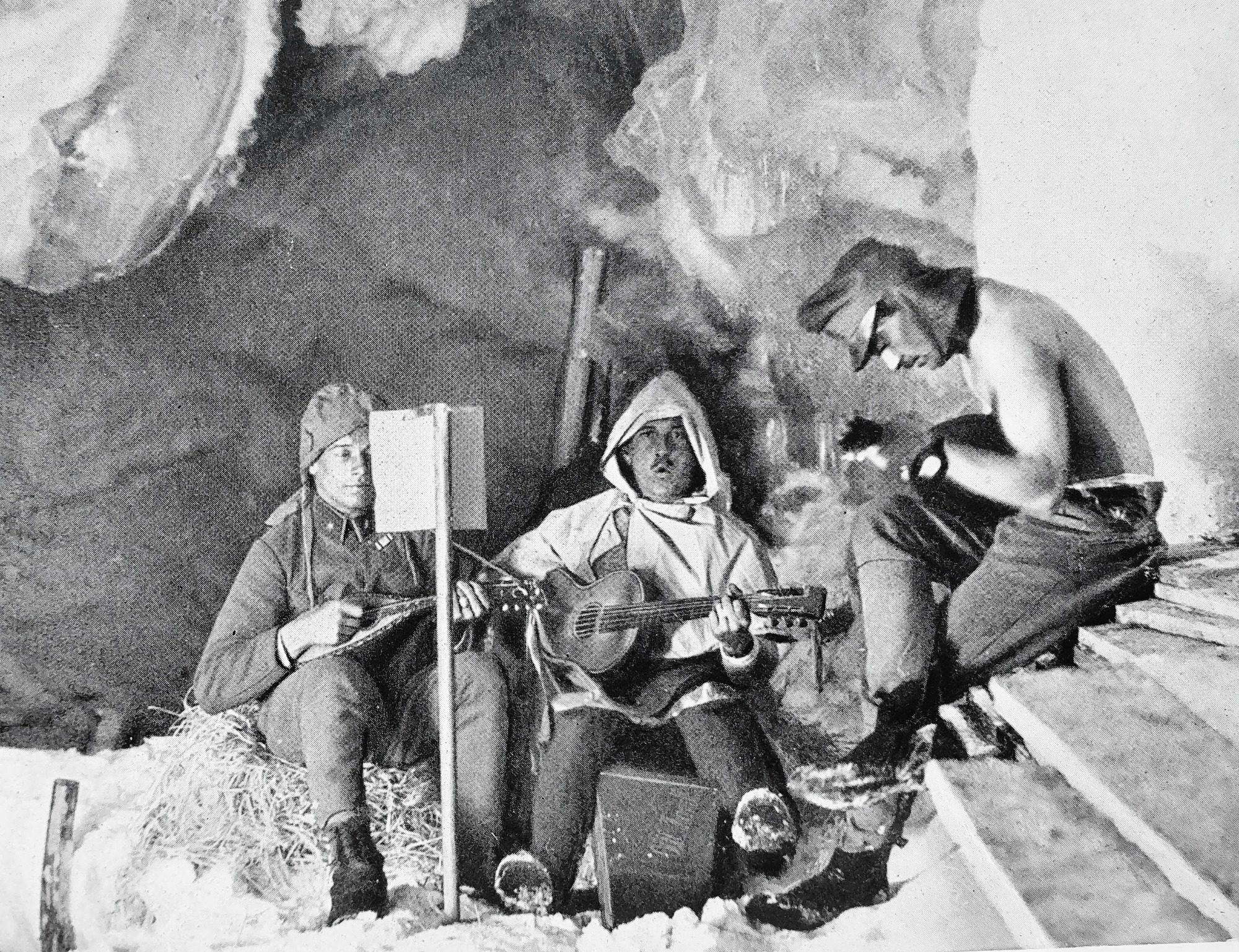
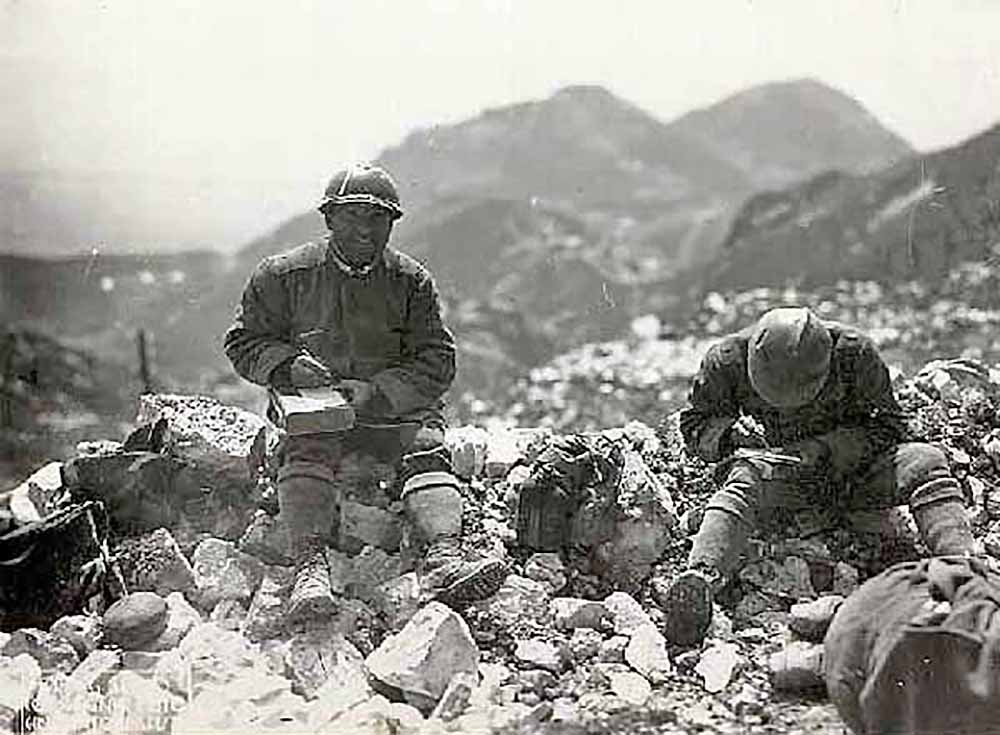
Visual arts and the Italian Front
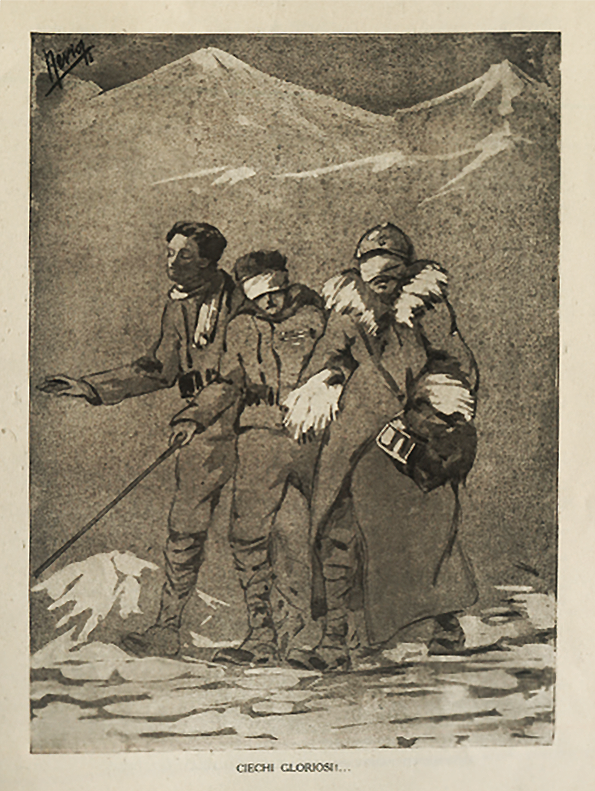
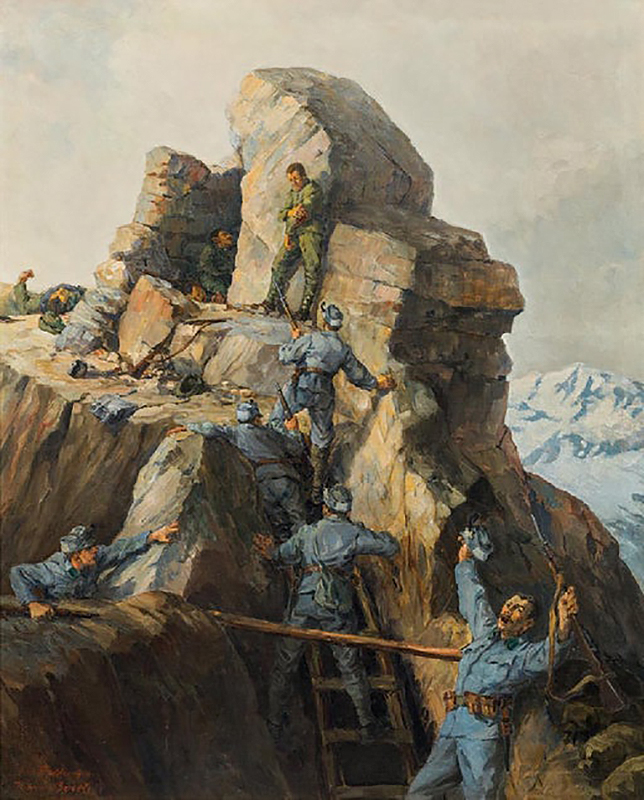
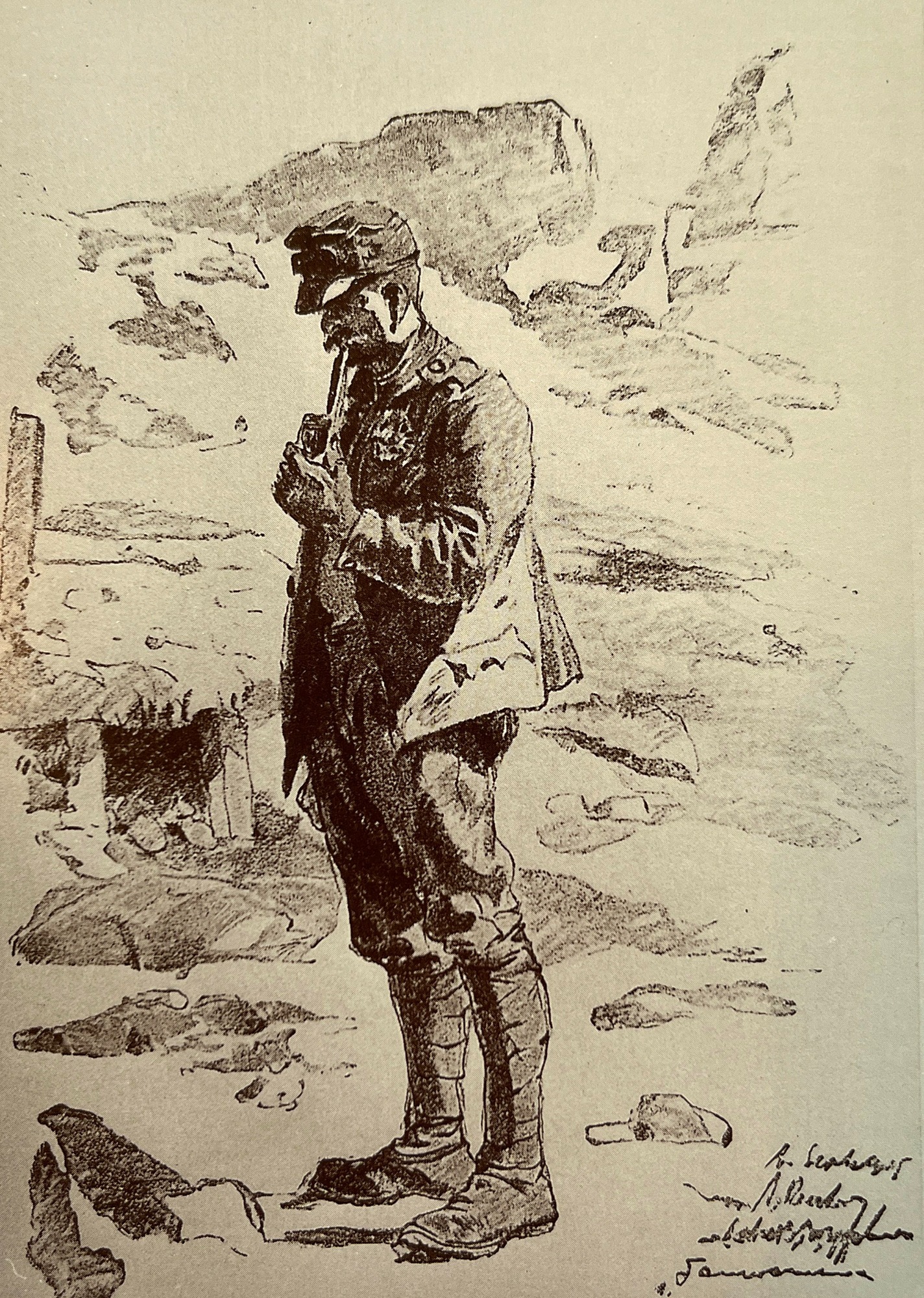
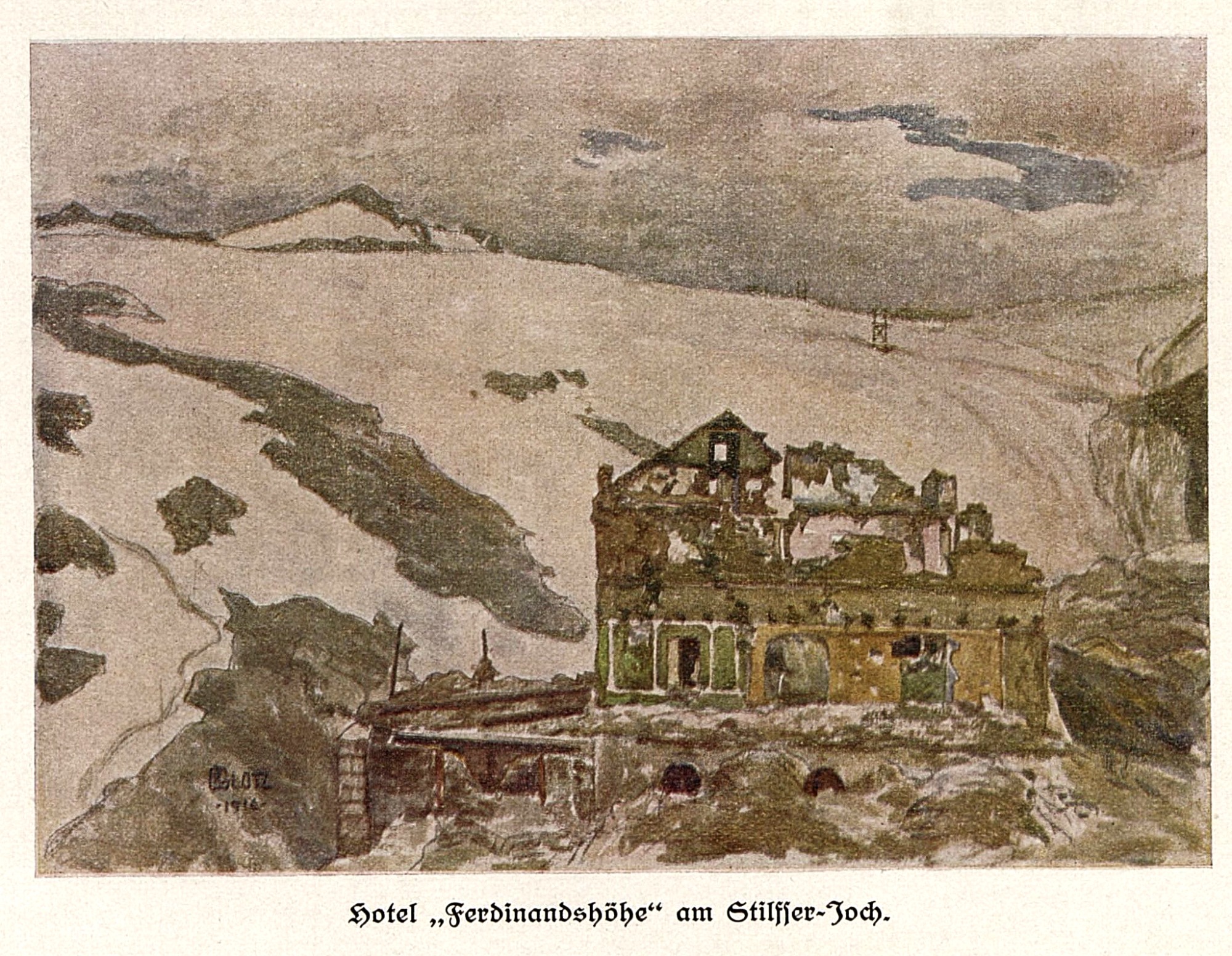
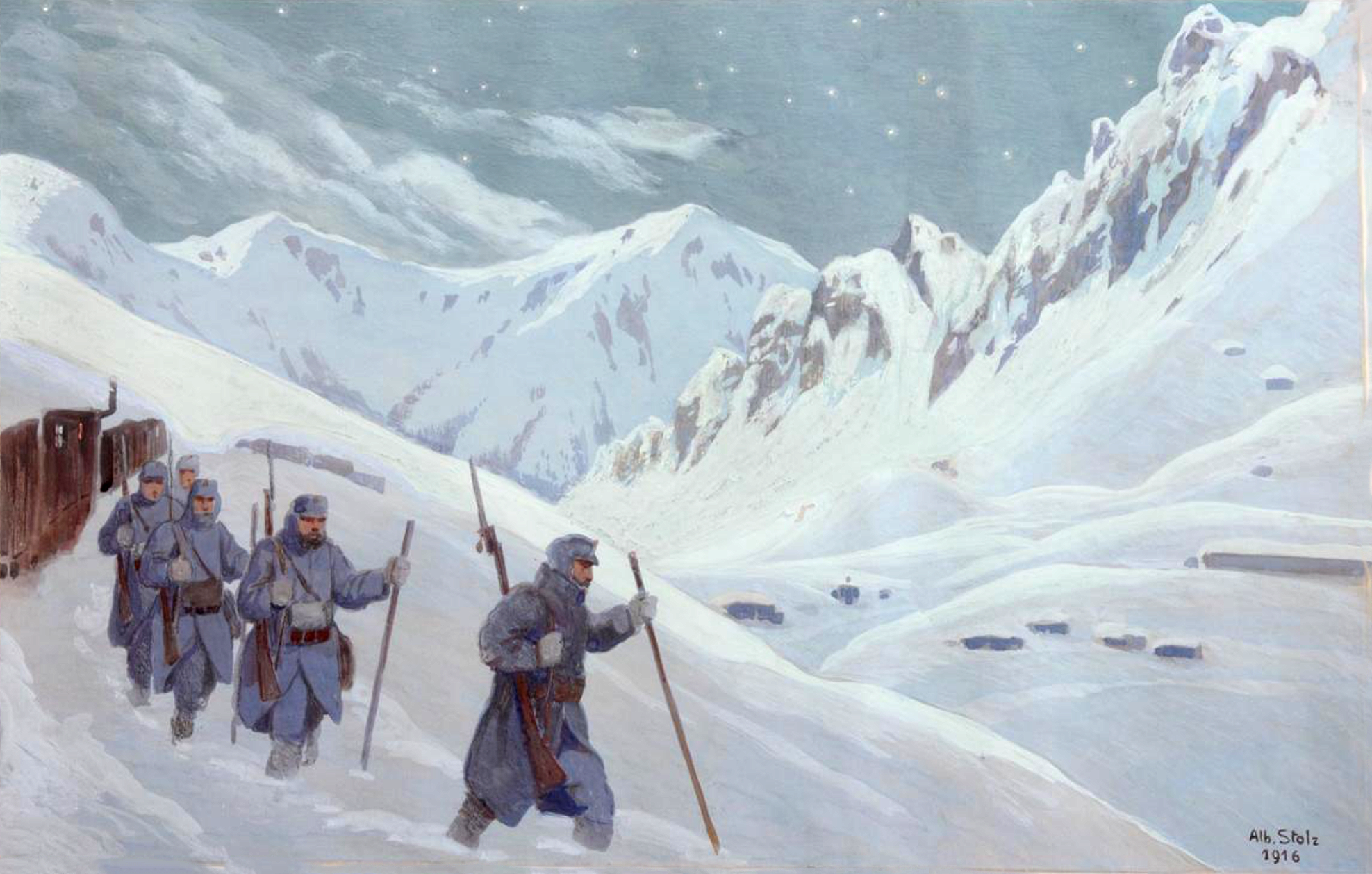
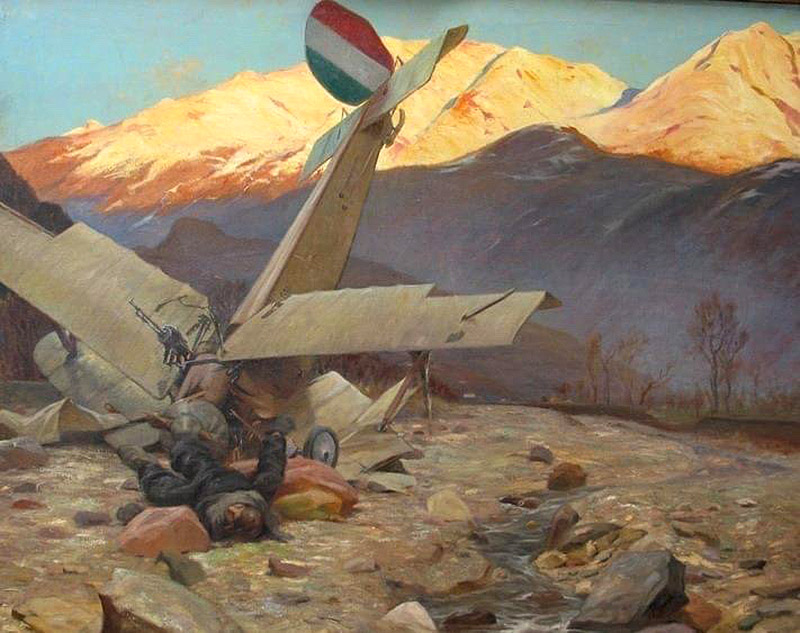
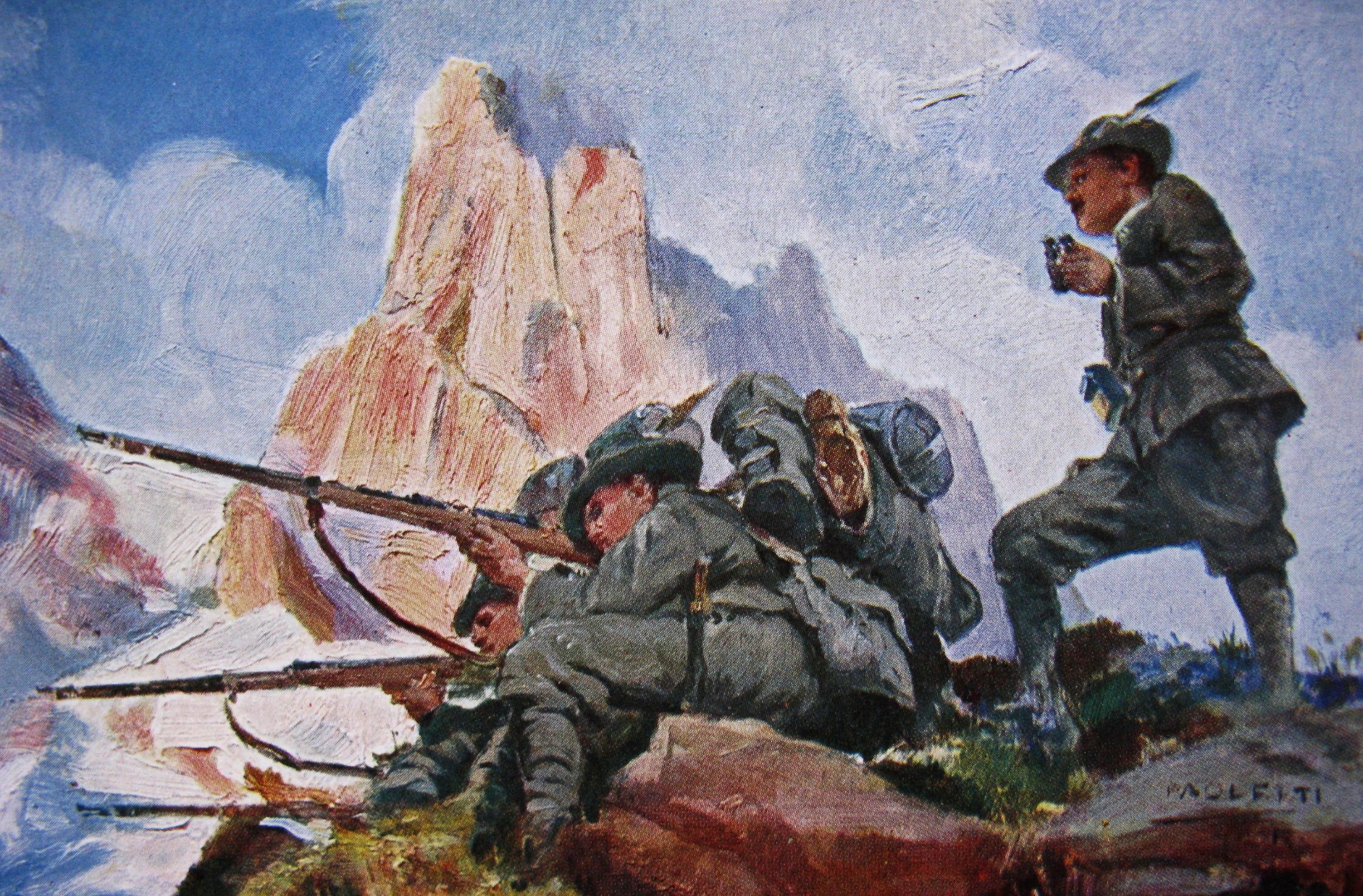
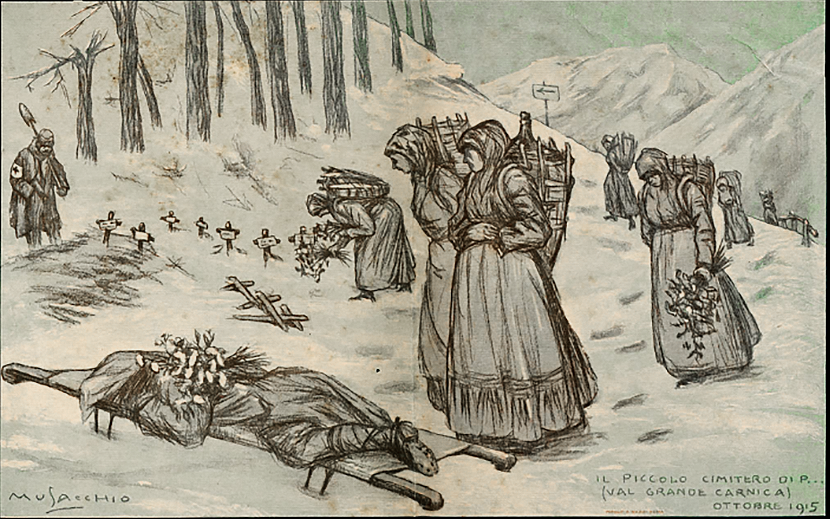
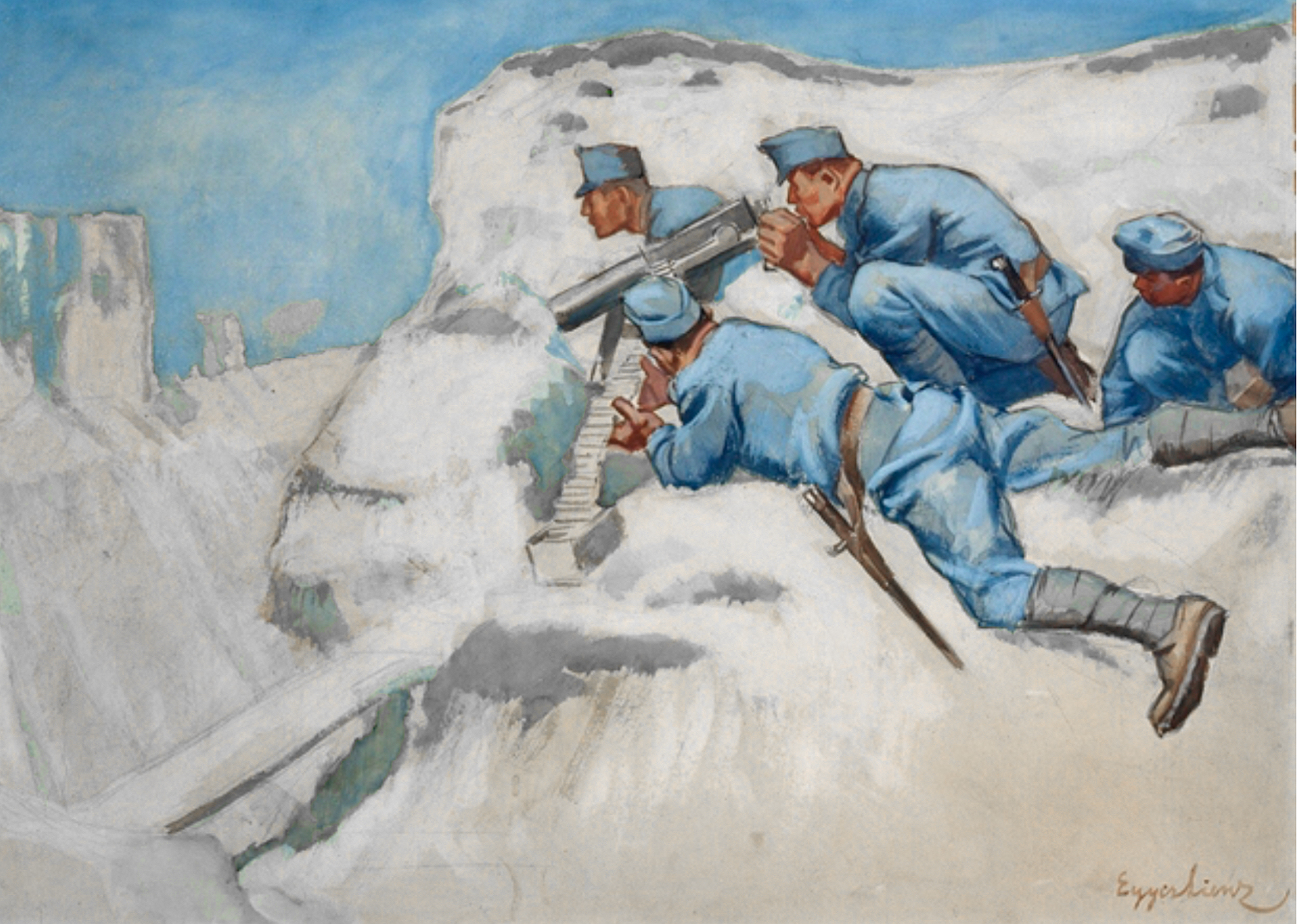
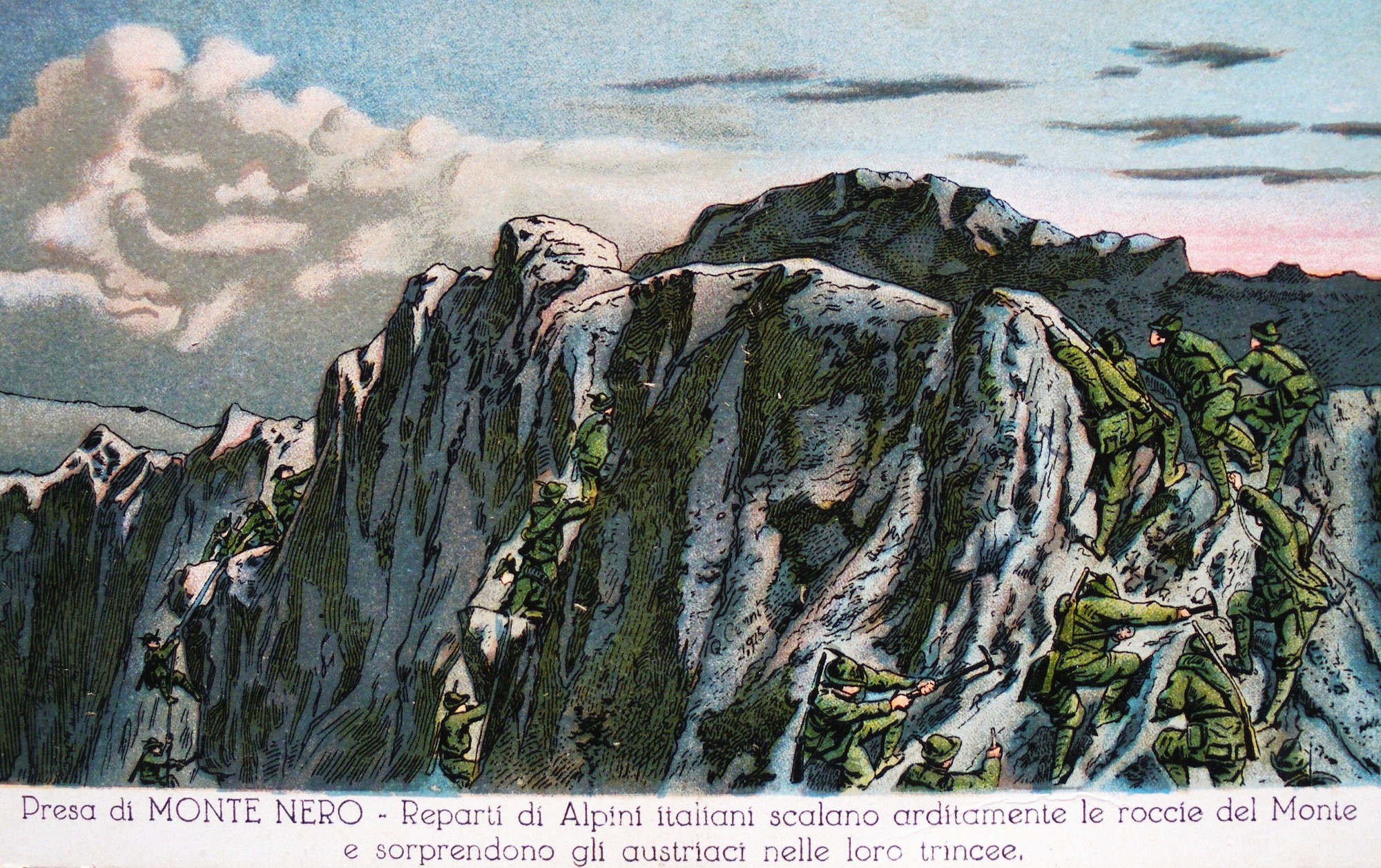
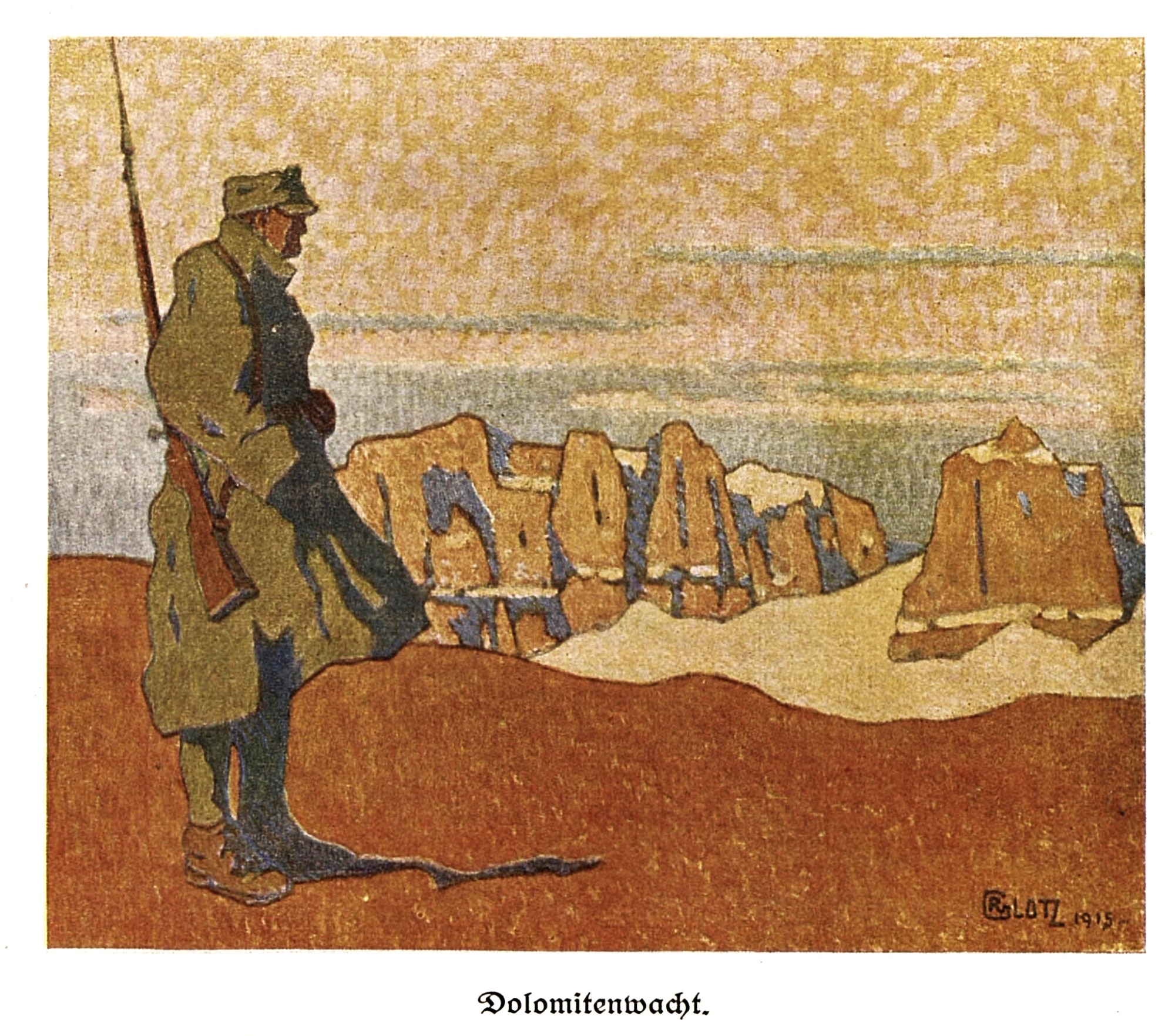
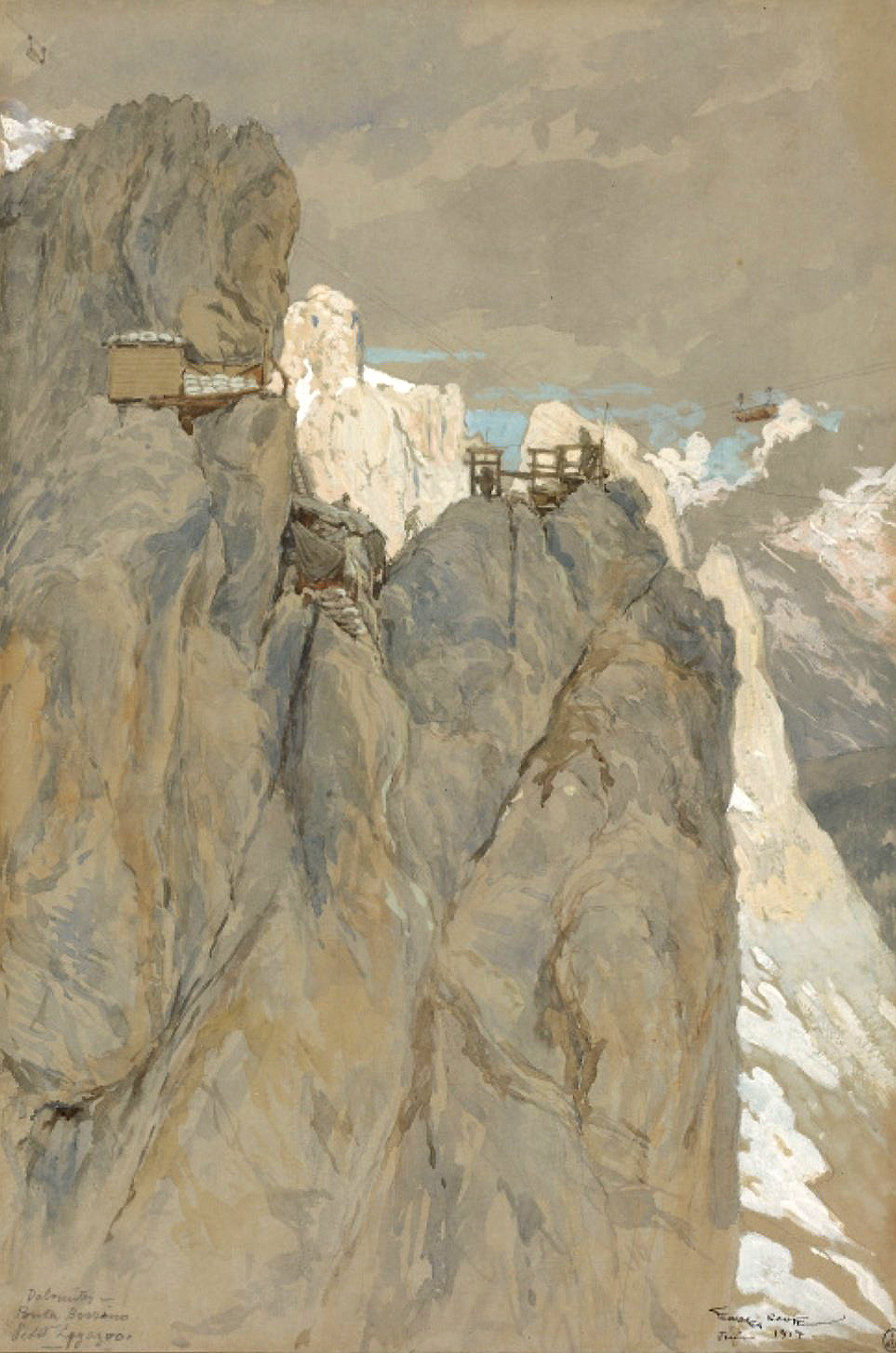
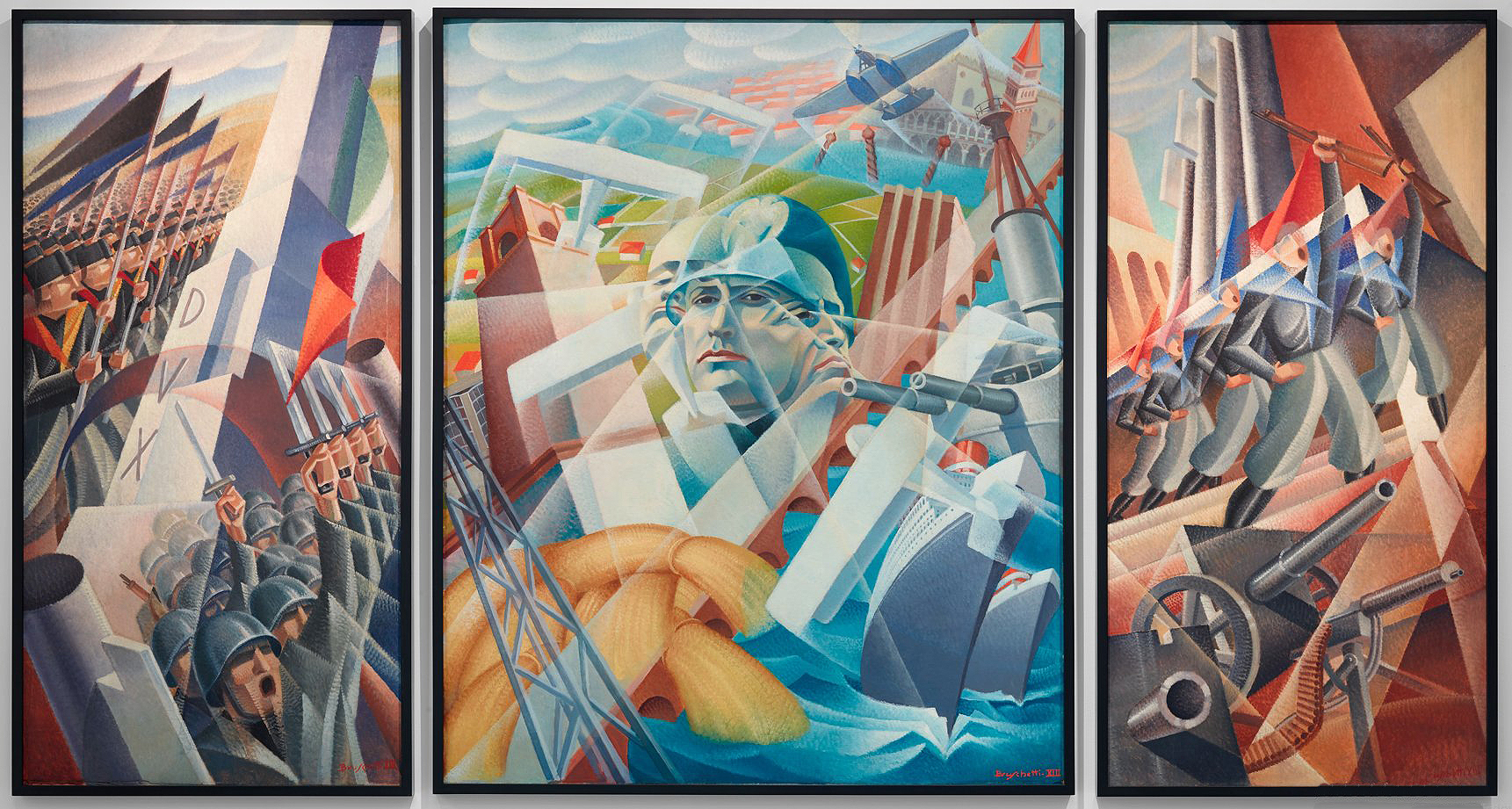
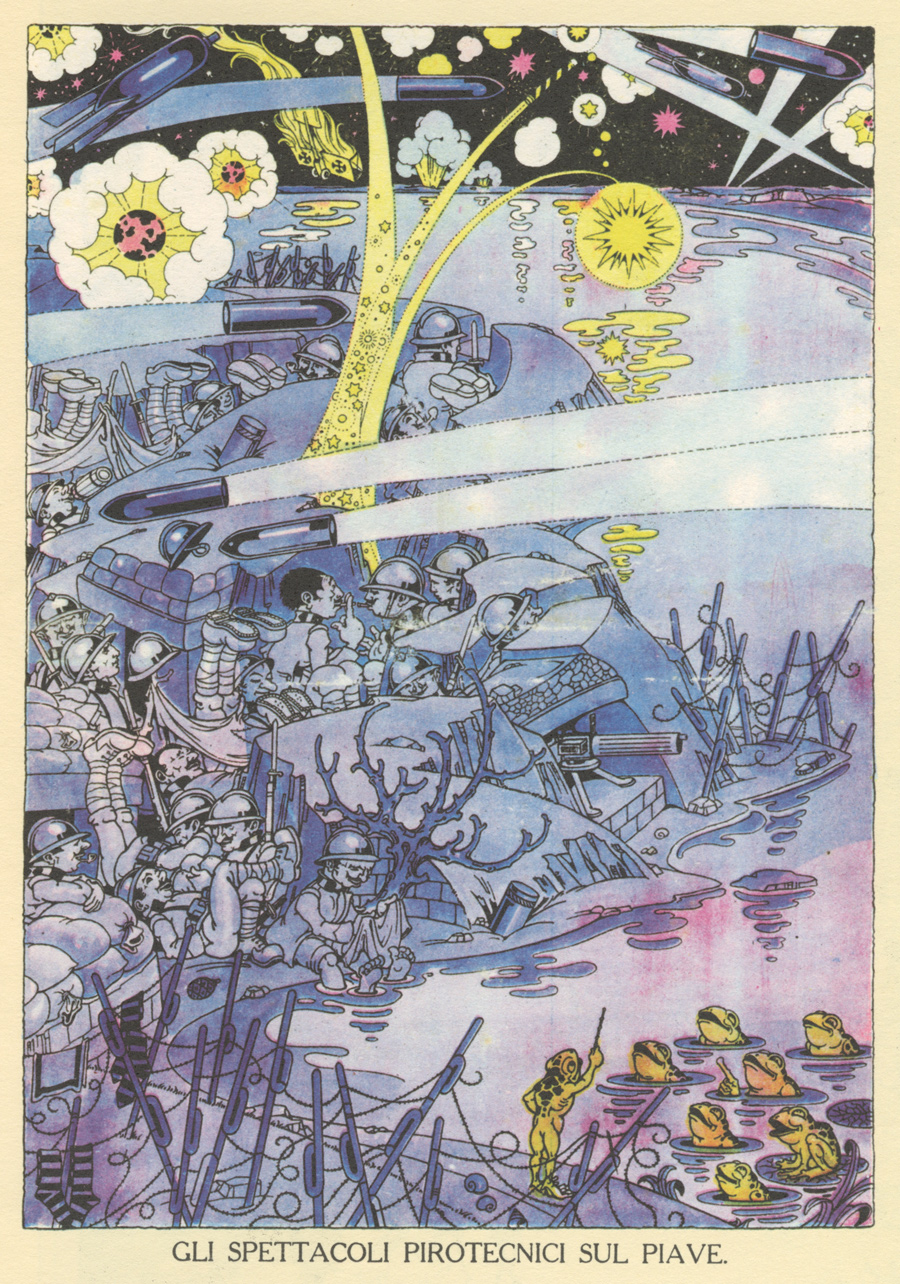
Artists played a significant role both on and off the battlefield, using their talents to document, interpret, and influence the national sentiment. Many artists were directly involved in the war, either as soldiers, war painters, or propagandists, and the war marked a significant point in Italian art, blending traditional realism with emerging modernist movements.
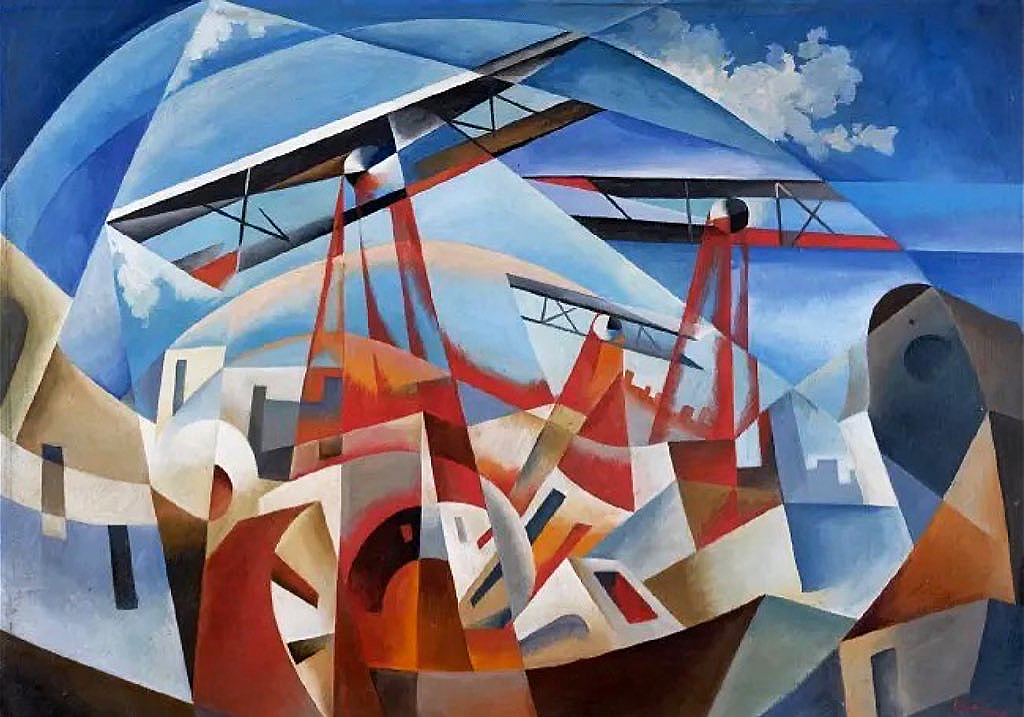
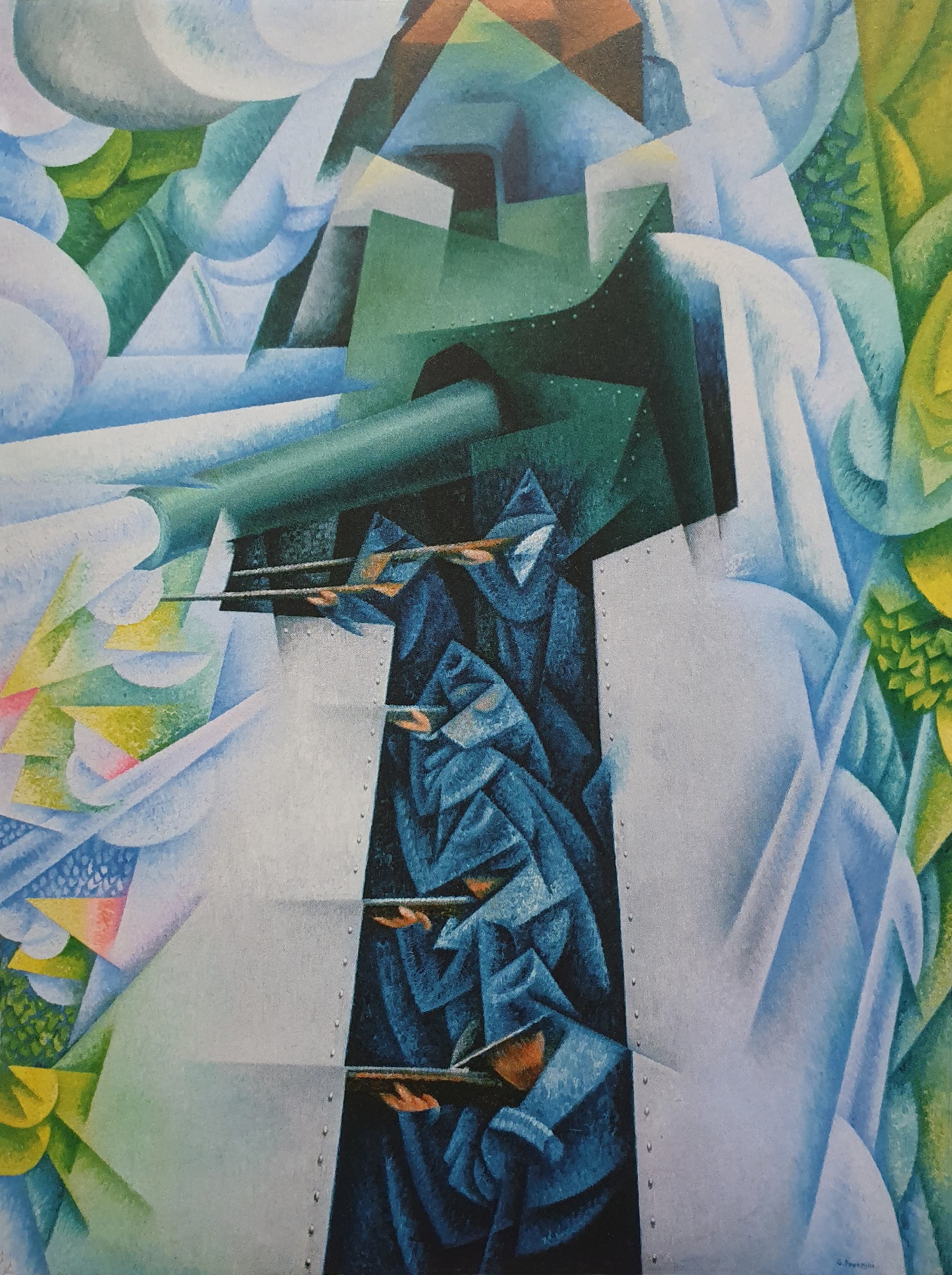
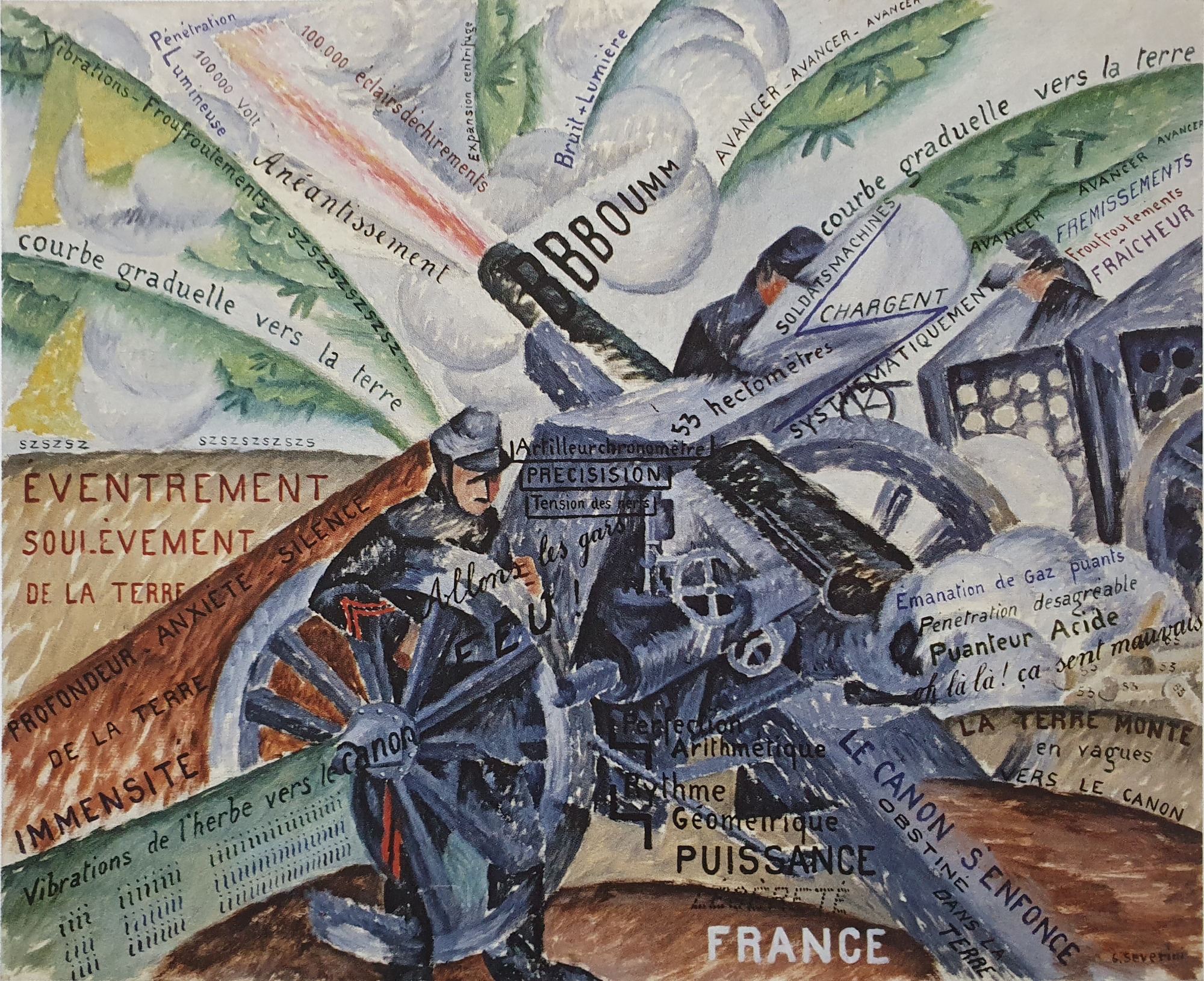
A key group during this period was the Futurists, led by Filippo Tommaso Marinetti. They glorified war as a means of societal renewal, embracing speed, technology, and violence as artistic ideals. Futurist artists like Umberto Boccioni and produced dynamic works reflecting the energy and chaos of modern warfare. Severini’s "Armored Train in Action" (1915) is a good example, capturing the mechanical intensity of battle.
Other artists took a more realistic and somber approach. Anselmo Bucci and Achille Beltrame, for instance, depicted soldiers’ daily lives and the harsh realities of trench warfare. Bucci, who served in the war, created intimate portrayals of his fellow soldiers, contrasting sharply with Futurist idealism.
The war also led to the creation of the Ufficio Stampa e Propaganda (Office of Press and Propaganda), which employed artists to produce posters, illustrations, and patriotic imagery to boost morale and recruit soldiers. Beltrame was particularly popular for his portrayals of heroic deeds, which were often
Overall, WWI forced Italian artists to confront the brutality of modern conflict. Their work reflected a range of responses—from idealism to disillusionment—marking a critical evolution in Italian art and contributing to postwar cultural shifts.
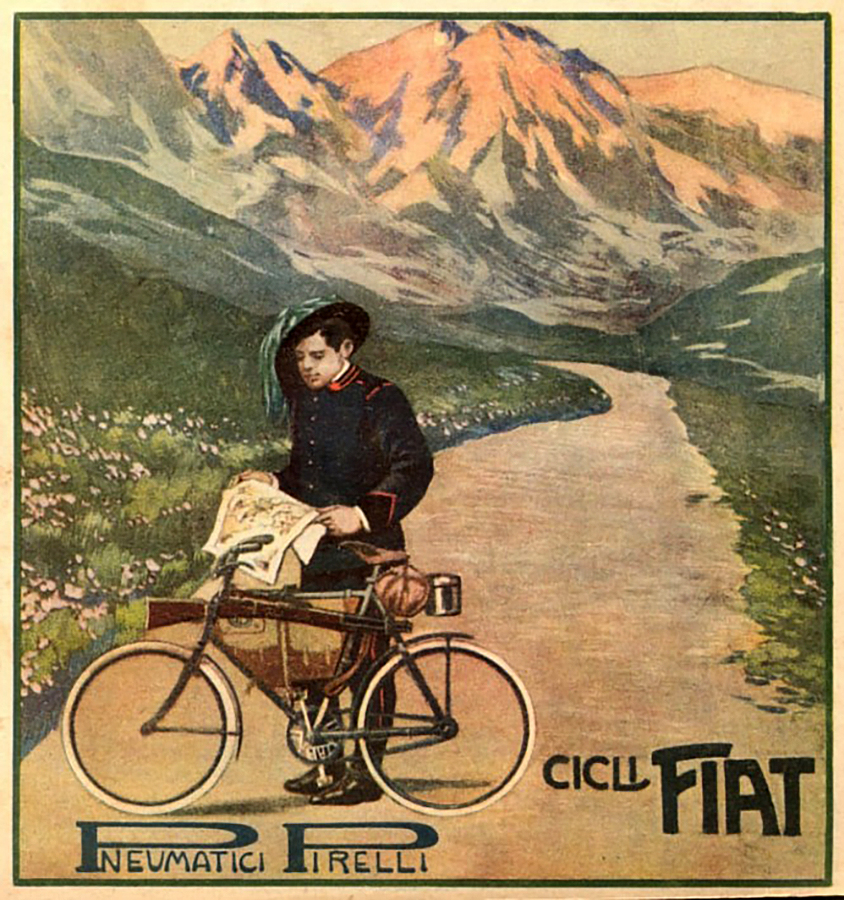
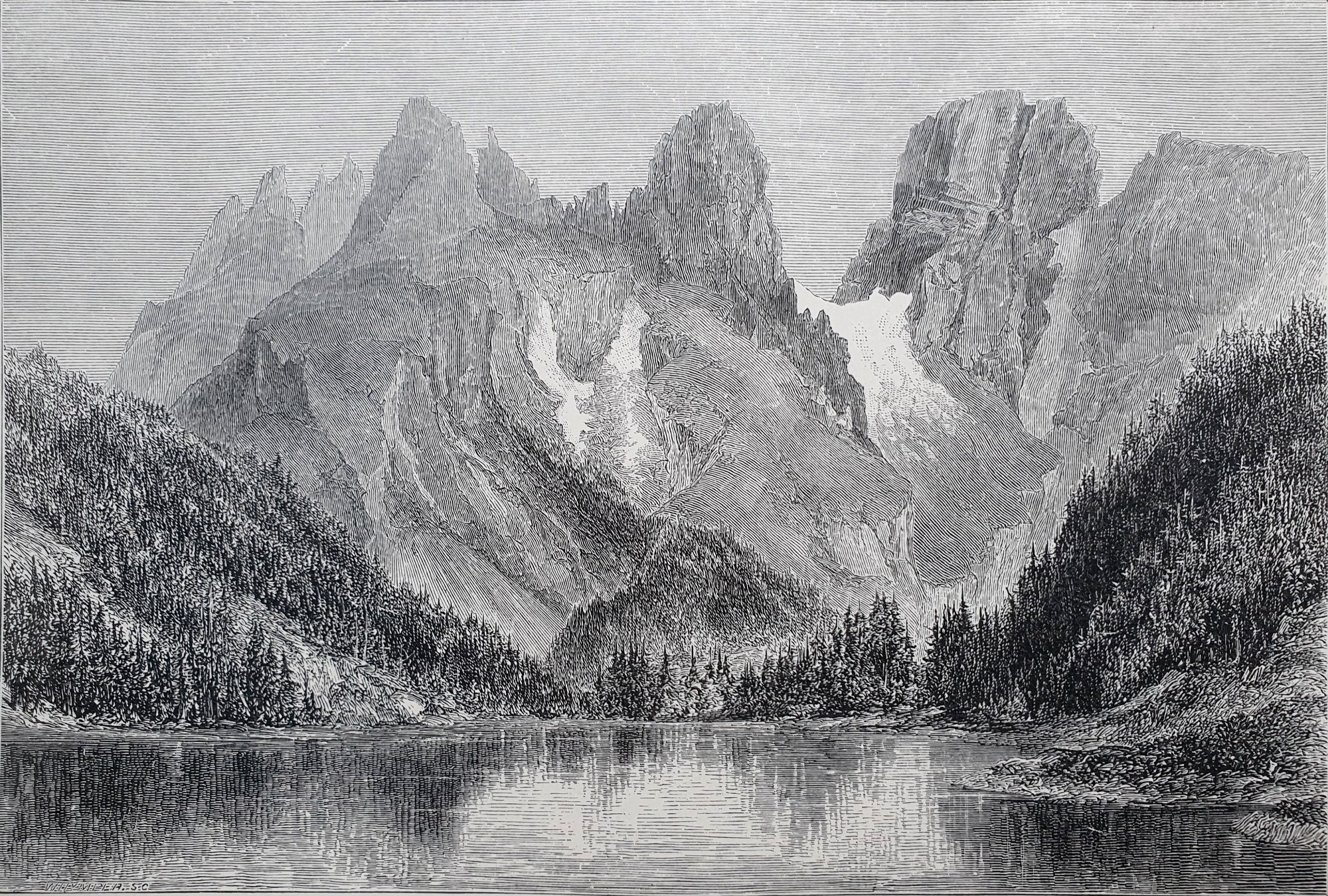
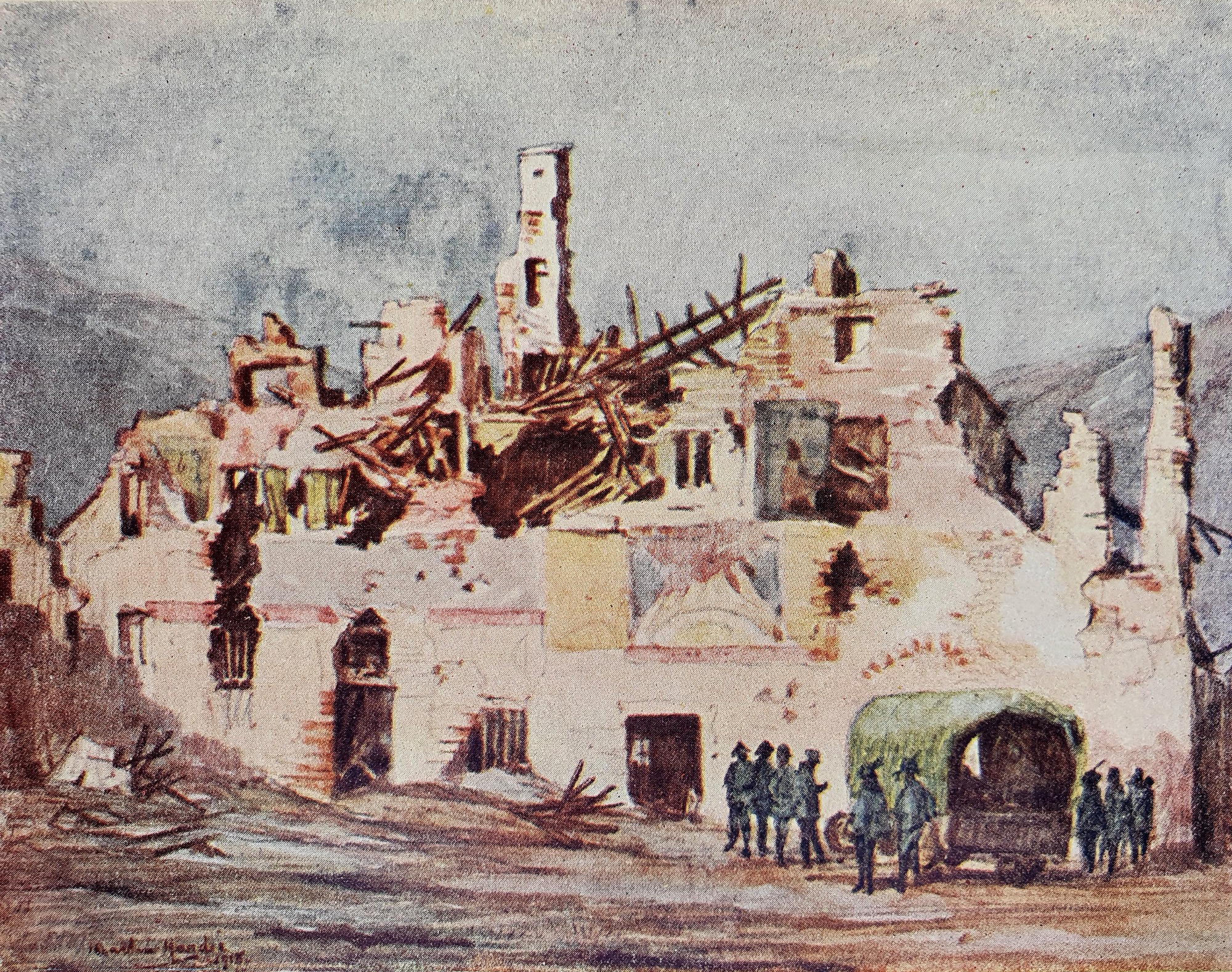
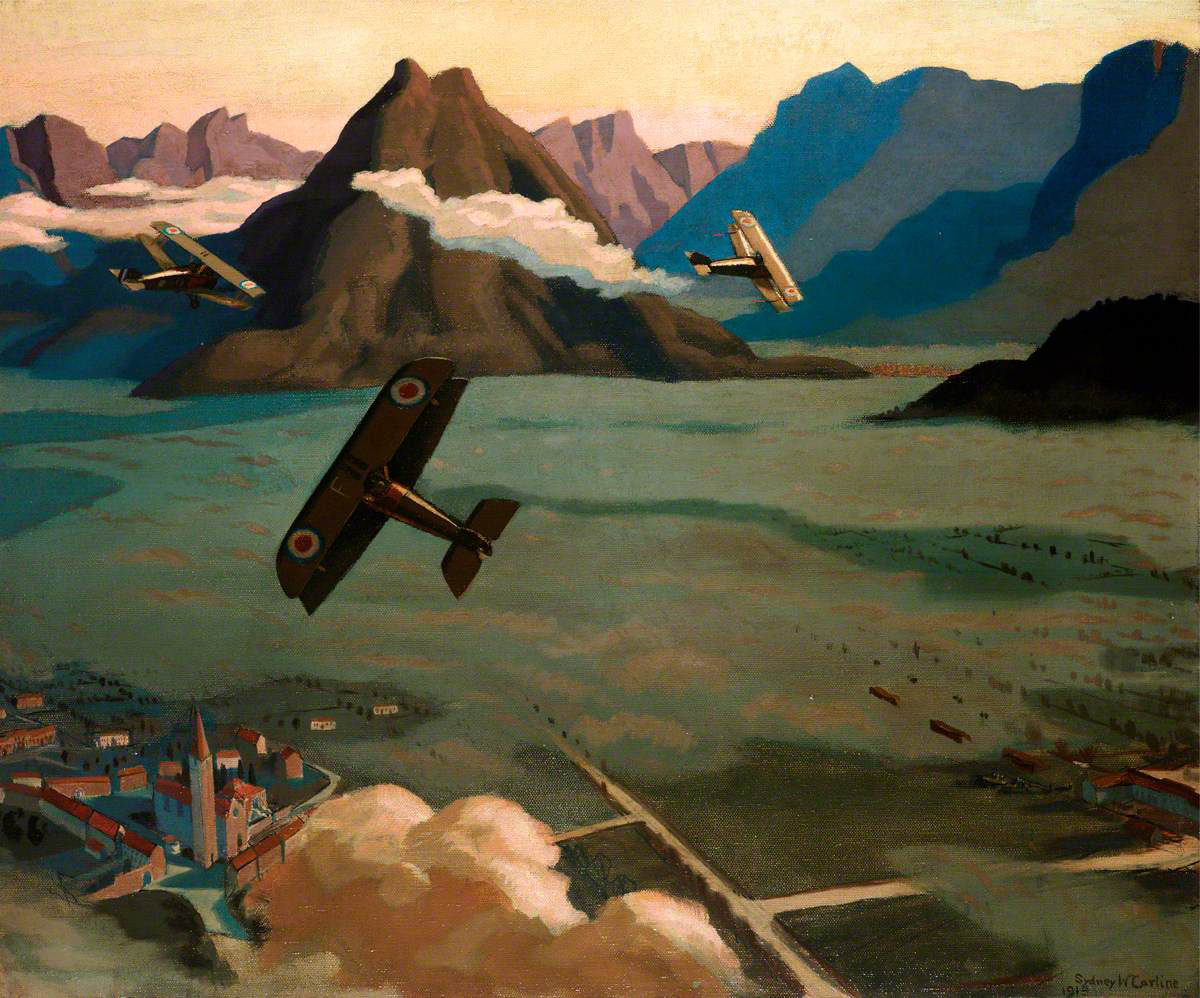
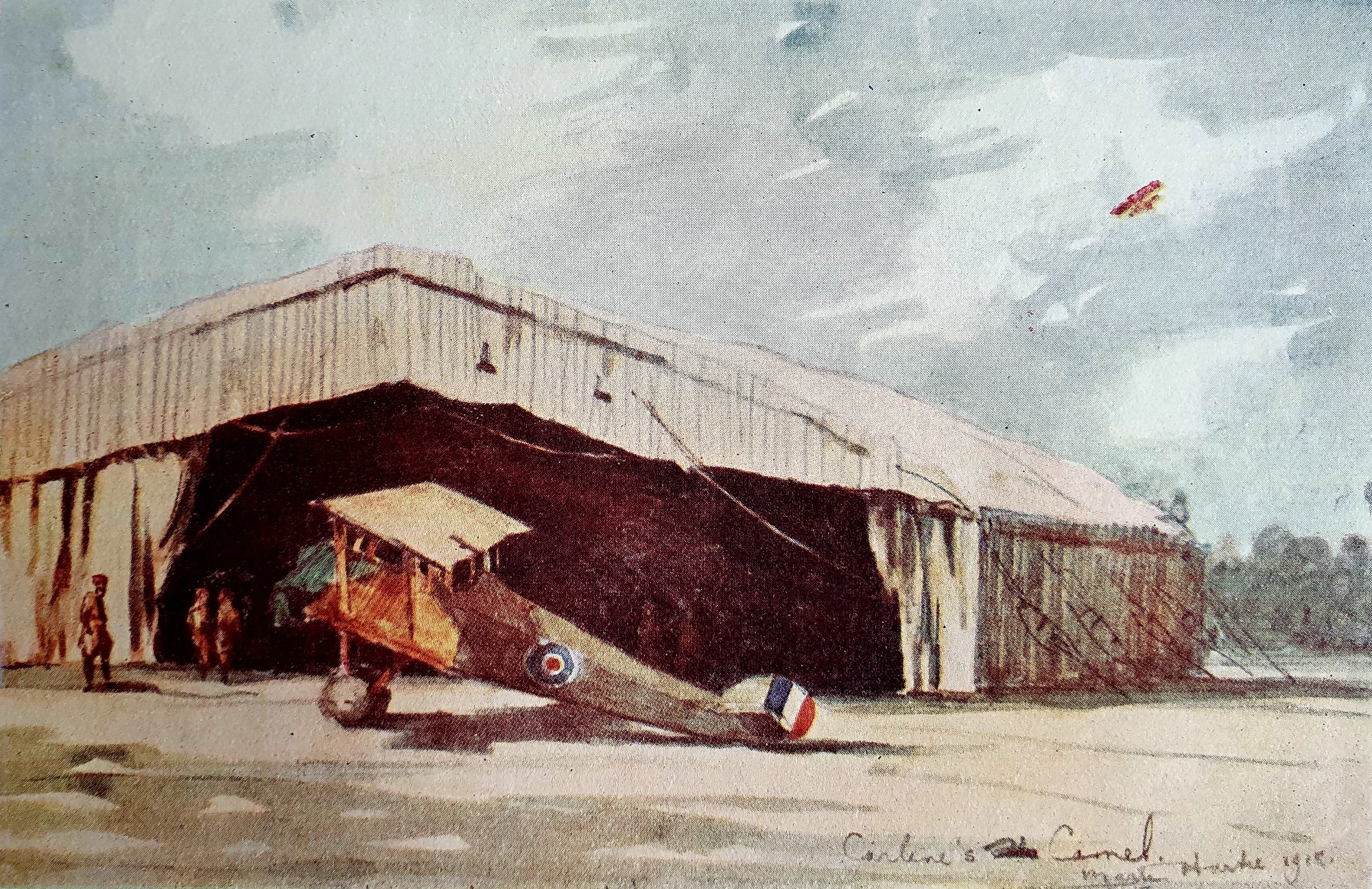
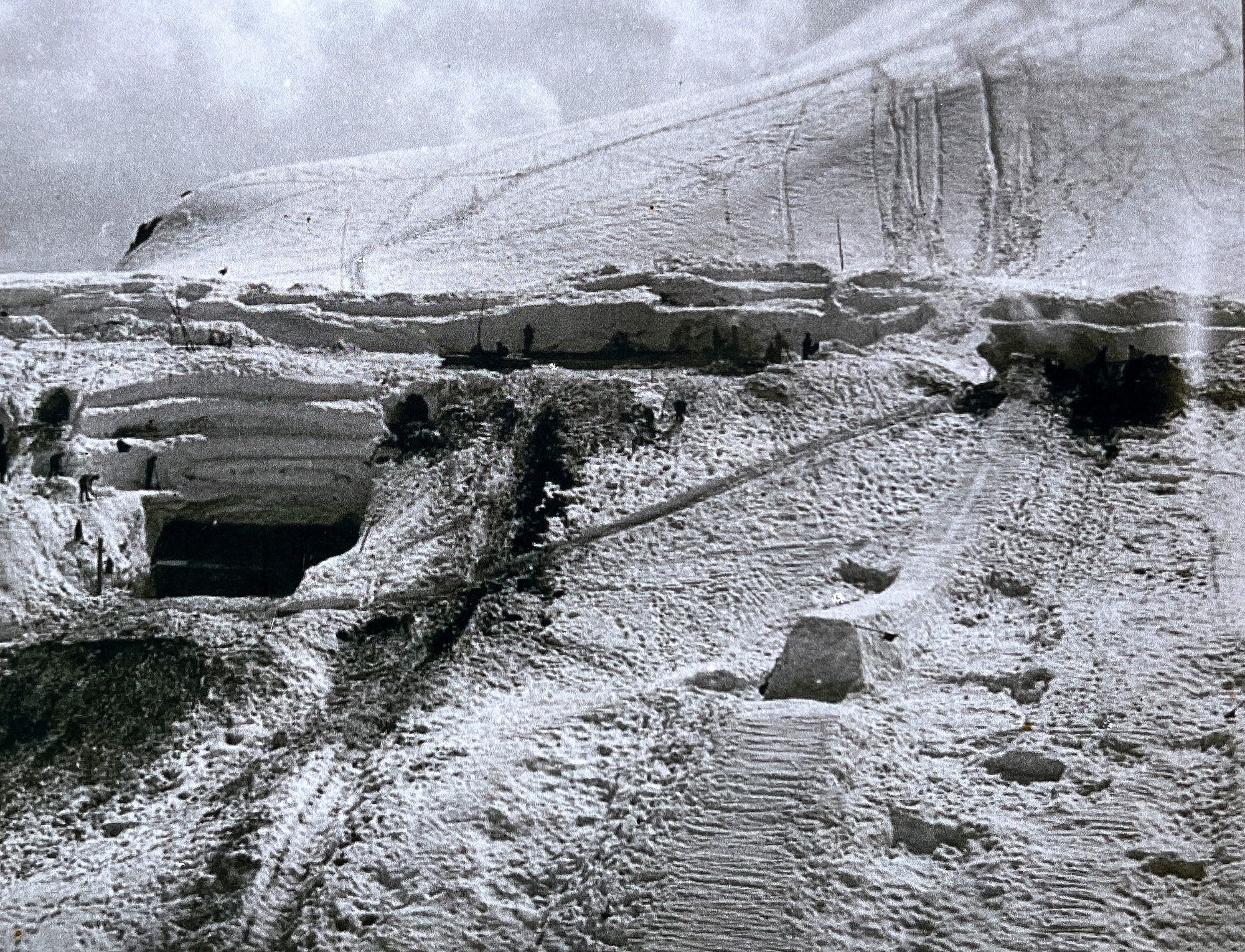
This is still a work in progress. I've identified the following images where possible, but many have defeated me. If you can identify any, please do drop me a line at info@thunderinthemountains.org.uk